Parliaments & Representatives
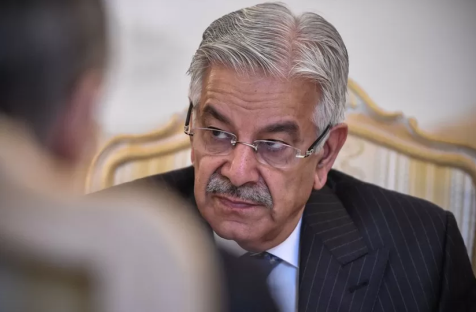
Women make up only 23.5% of Members of Parliament according to the latest available data of the Inter-Parliamentary Union. While significant strides in women’s political participation have been made since the adoption of the Beijing Platform for Action in 1995, which set Member States’ target of achieving gender balance in political decision-making, women are still underrepresented in political decision-making at all levels and gender balance remains an aspirational goal. Gains in women’s participation have been notable in countries that have taken proactive steps to support women’s political participation, including reforming or amending discriminatory laws, taking concrete action to address violence against women in politics and gender discrimination within parliaments, addressing gender-specific barriers, and supporting women in all forms of decision-making including at local level and in executive government.
Show on Home Page
Yes
Image
Icon

Banner Image
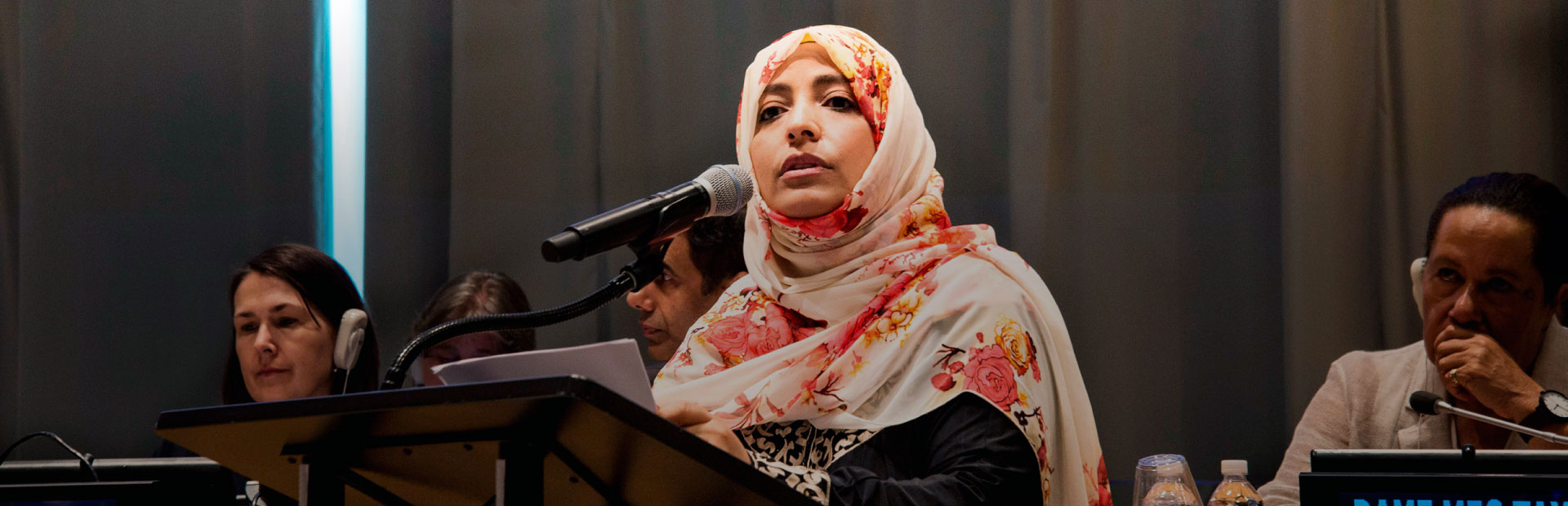
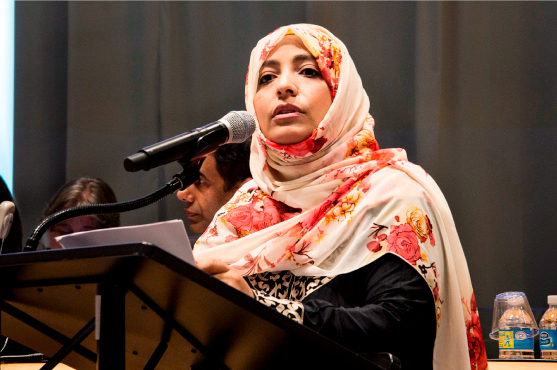
Twenty years ago, Africa’s women’s treaty set a path to equality. We must be ready for the next steps

Normal
0
-->
August 4, 2023
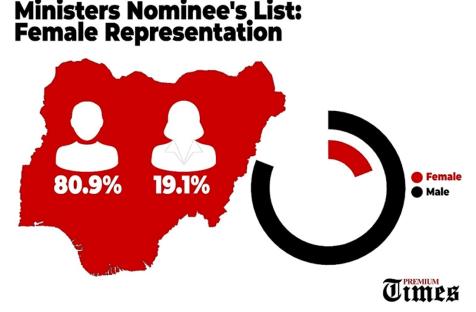
Ministerial List: Nigerian women kick as Tinubu fails to meet 35 per cent affirmative action
Normal
0
-->
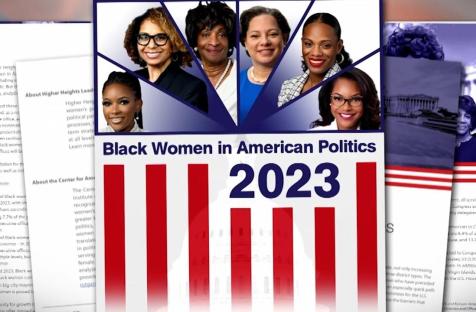
August 4, 2023
Advocates push for more representation of Black women in politics
Normal
0
-->
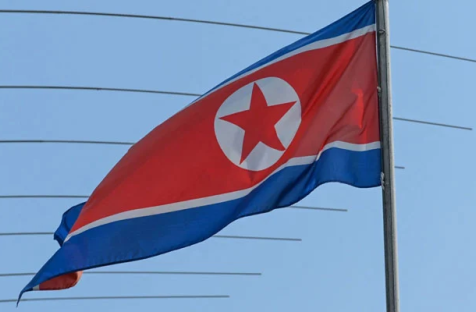
August 3, 2023
'Political housemaid': North Korea hurls misogynistic slurs at US envoy Julie Turner
Normal
0
-->
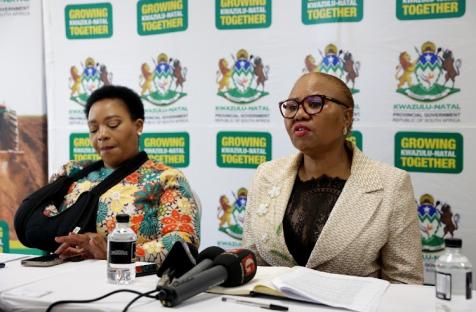
August 3, 2023
Women not spared political violence despite barriers to positions of power
Normal
0
-->


