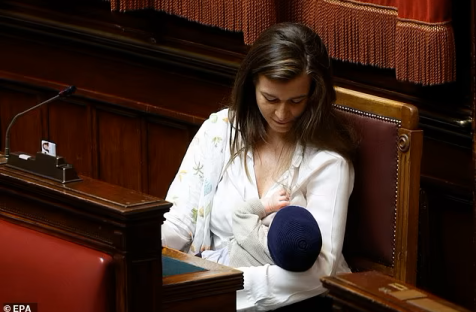
Parliaments & Representatives
Women make up only 23.5% of Members of Parliament according to the latest available data of the Inter-Parliamentary Union. While significant strides in women’s political participation have been made since the adoption of the Beijing Platform for Action in 1995, which set Member States’ target of achieving gender balance in political decision-making, women are still underrepresented in political decision-making at all levels and gender balance remains an aspirational goal. Gains in women’s participation have been notable in countries that have taken proactive steps to support women’s political participation, including reforming or amending discriminatory laws, taking concrete action to address violence against women in politics and gender discrimination within parliaments, addressing gender-specific barriers, and supporting women in all forms of decision-making including at local level and in executive government.
Show on Home Page
Yes
Image
Icon

Banner Image
Inequality a major reason for women’s weak political representation - Activists
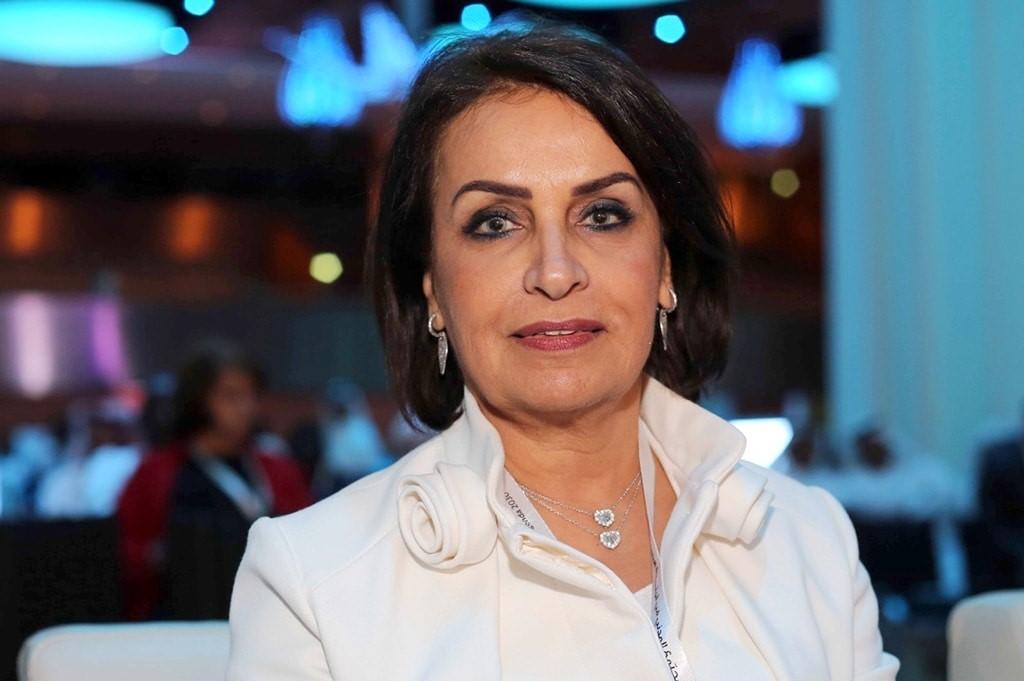
Women in Kuwait were granted their political rights in 2005, but since then they have been struggling politically, due to several reasons. In recent years, women’s representation in the National Assembly has become much weaker than before.


Age is a double standard when it comes to women in U.S. politics

Normal
0
false
-->
Ignoring online abuse of women MPs has dire consequences

Women MPs are exposed to daily online harassment, and social media platforms provide unlimited scope for anonymous, hostile and aggressive behaviour to be targeted at them.
Canada: Time to speed up the glacial pace of gender parity in federal politics
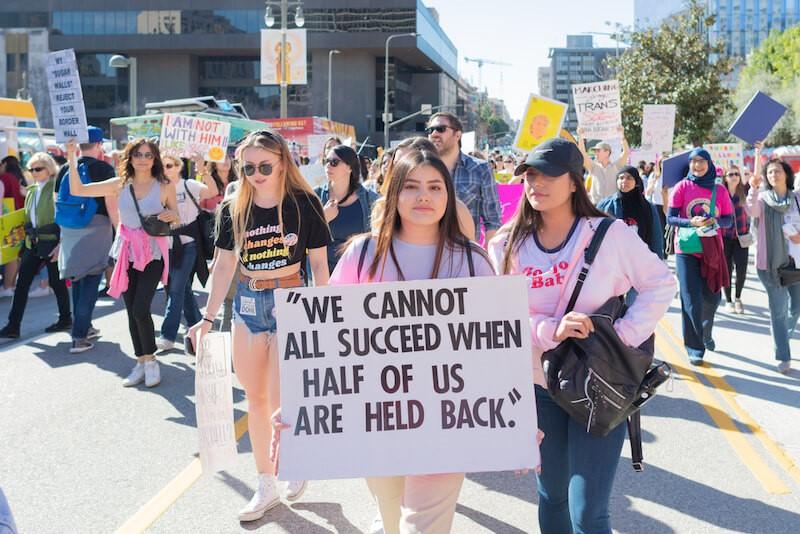
The Alberta election has come and gone. Two powerful women engaged in a closely fought battle, guaranteeing a woman premier no matter which party triumphed.
Uganda: 'People find us easy targets': Women politicians face a torrent of online abuse but say they won't stop their work
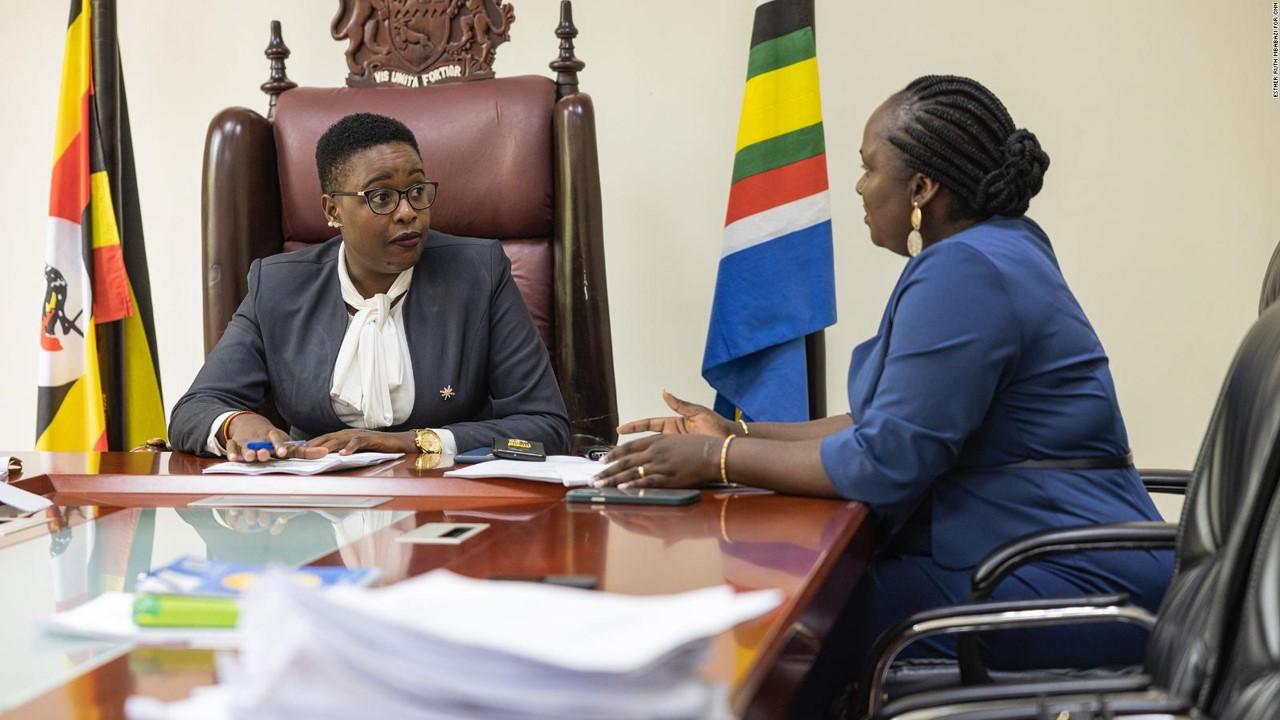
Doreen Nyanjura is a modern politician.
Nigeria: eliminating the barriers to women’s participation in politics

A significant democratic weakness that threatens the validity of the modern democratic ideal is the underrepresentation of women. Therefore, parity democracy and the advancement of women in decision-making are major areas of work.