Catherine Zainab Tarawally
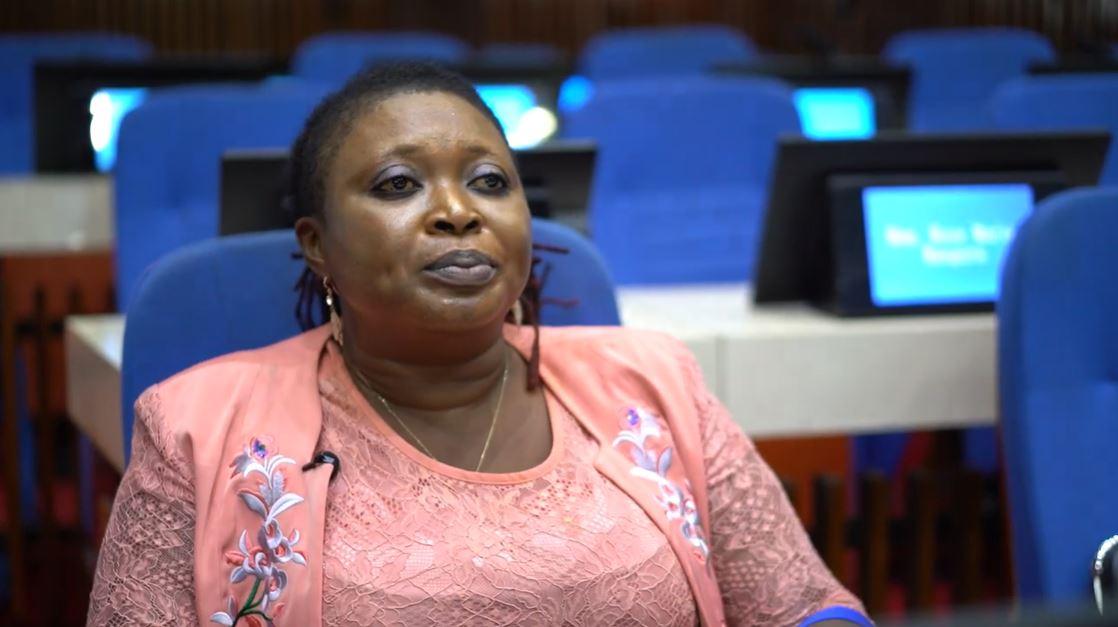
Member of Parliament, Sierra Leone
Women make up only 23.5% of Members of Parliament according to the latest available data of the Inter-Parliamentary Union. While significant strides in women’s political participation have been made since the adoption of the Beijing Platform for Action in 1995, which set Member States’ target of achieving gender balance in political decision-making, women are still underrepresented in political decision-making at all levels and gender balance remains an aspirational goal. Gains in women’s participation have been notable in countries that have taken proactive steps to support women’s political participation, including reforming or amending discriminatory laws, taking concrete action to address violence against women in politics and gender discrimination within parliaments, addressing gender-specific barriers, and supporting women in all forms of decision-making including at local level and in executive government.
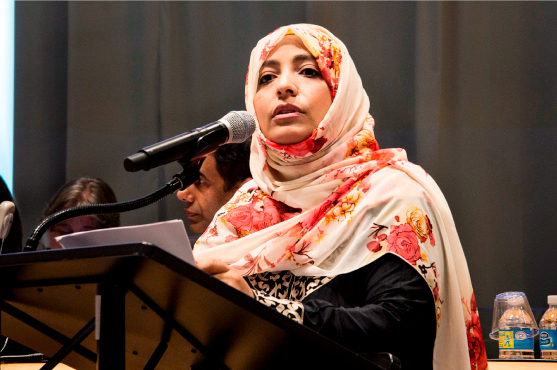



Athens (AFP) – As the credits rolled on Greek television's long-awaited election debate between the party leaders, one thing united them -- they were all men.

Women politicians in Karnataka have limited representation in the state’s power circles, despite rising participation by women voters.

BUDAPEST -- On May 14, 2022, thousands watched as Katalin Novak walked on the red carpet laid in front of the imposing building of the Hungarian parliament.

Normal
0
-->

Women are a rare sight in Japanese politics, but 20-year-old Rinka Saito is determined to run for office one day because "you can't have true democracy without diversity."

Normal
0
-->
A political science lecturer of the Obafemi Awolowo University, Dr Damilola Agbalajobi ,has said participation of Nigerian women in politics has drastically reduced because of the corrupt practices exhibited by their male counterparts.

The United States, US Department of States exchange program, International Visitors Leadership Program Alumni Association Nigeria (IVLPAAN), has canvassed for the integrat