CSW 67 side-event: Achieving equality in decision-making by 2030: What will it take?
The Inter-parliamentary Union hosted this CSW 67 side-event on 8 March 2023 at the United Nations Headquart
Women make up only 23.5% of Members of Parliament according to the latest available data of the Inter-Parliamentary Union. While significant strides in women’s political participation have been made since the adoption of the Beijing Platform for Action in 1995, which set Member States’ target of achieving gender balance in political decision-making, women are still underrepresented in political decision-making at all levels and gender balance remains an aspirational goal. Gains in women’s participation have been notable in countries that have taken proactive steps to support women’s political participation, including reforming or amending discriminatory laws, taking concrete action to address violence against women in politics and gender discrimination within parliaments, addressing gender-specific barriers, and supporting women in all forms of decision-making including at local level and in executive government.
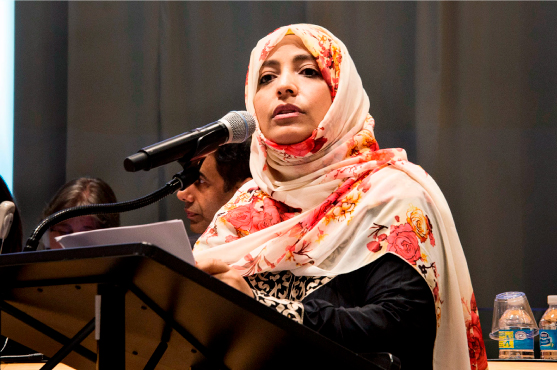

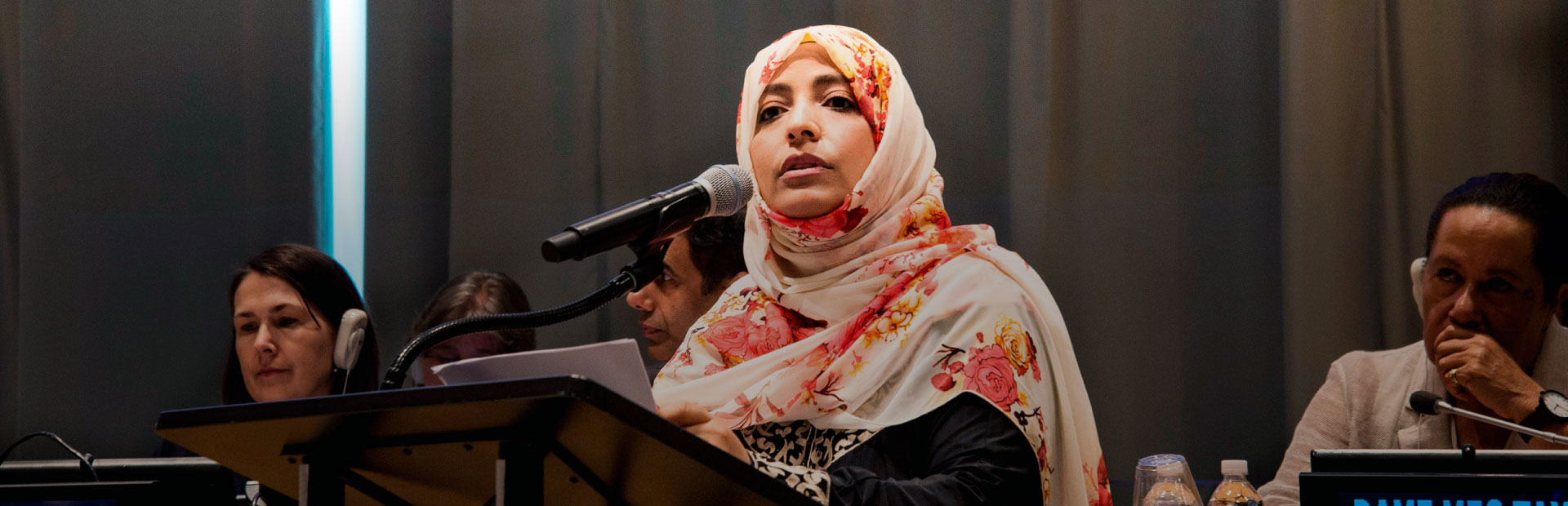
The Inter-parliamentary Union hosted this CSW 67 side-event on 8 March 2023 at the United Nations Headquart
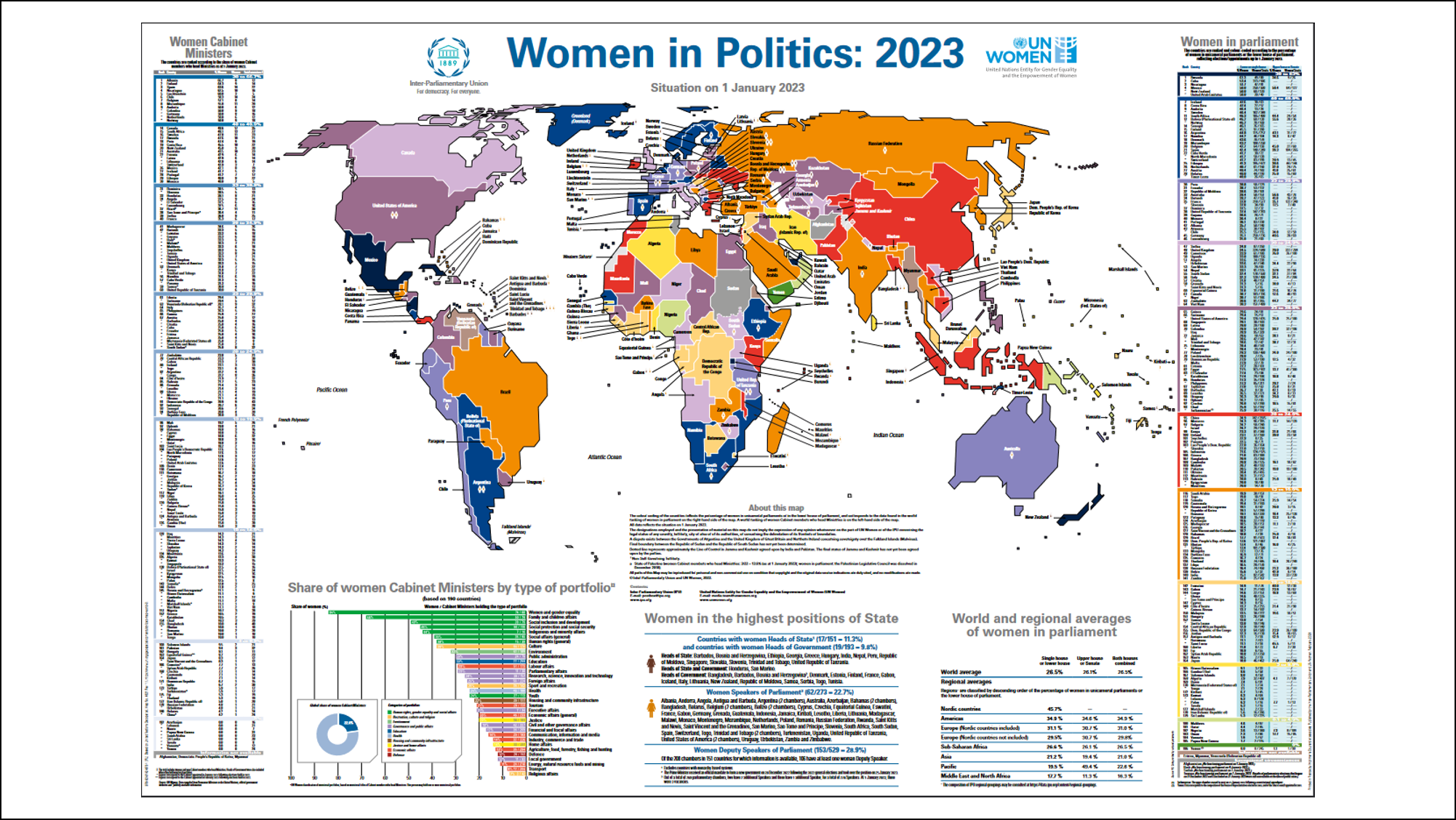
The “Women in politics: 2023” map, created by the Inter-Parliamentary Union (IPU) and UN Women, presents new data for women in executive positions and national parliaments as of 1 January 2023.

In 2022, women’s leadership in the world’s parliaments continued with a slow pace of incremental growth as the world re-emerged after two years of COVID-19 pandemic lockdowns and losses.
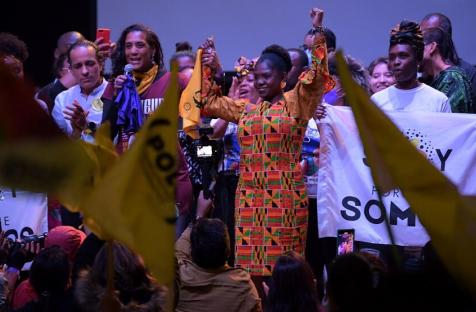
Elections in Colombia saw a political shift in 2022, and the greatest gains in terms of women’s representation in the Americas.

In 2022, Australia achieved record-breaking shares of women in both chambers of parliament, making it, along with New Zealand, the subregion with the highest average pr

When I left high school, I thought I would no longer have to worry about whether my skirt was “too short,” or – God forbid – if my shoulders were visible.


TSU, MIE PREF.