ES Bijimol, a three-time MLA of the Communist Party of India (CPI) has said she suffered moral attacks and degradation from her male colleagues for daring to contest in a male bastion.
Women make up only 23.5% of Members of Parliament according to the latest available data of the Inter-Parliamentary Union. While significant strides in women’s political participation have been made since the adoption of the Beijing Platform for Action in 1995, which set Member States’ target of achieving gender balance in political decision-making, women are still underrepresented in political decision-making at all levels and gender balance remains an aspirational goal. Gains in women’s participation have been notable in countries that have taken proactive steps to support women’s political participation, including reforming or amending discriminatory laws, taking concrete action to address violence against women in politics and gender discrimination within parliaments, addressing gender-specific barriers, and supporting women in all forms of decision-making including at local level and in executive government.
ES Bijimol, a three-time MLA of the Communist Party of India (CPI) has said she suffered moral attacks and degradation from her male colleagues for daring to contest in a male bastion.
It’s no secret that women have had to put up a tenacious fight to be seen and heard in politics worldwide.
Tasmanian ministerial and parliamentary staff are being subjected to degrading, belittling and abusive behaviour, including exposure of body parts and indecent phone calls, with MPs and managers the worst offenders, a review has found.
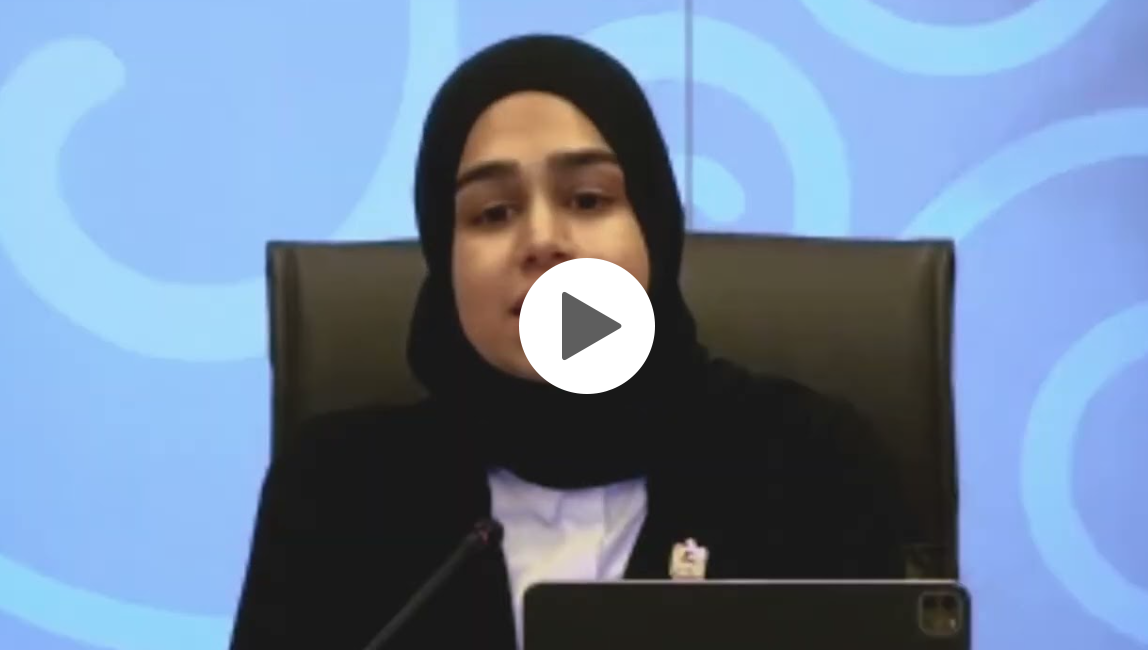
As part of the IPU series called 'A conversation with...', we interview parliamentarians from all over the world to find out who they represent and what motivates them. In this edition, we discover Sara Falaknaz, a parliamentarian from the United Arab Emirates.
As part of the IPU series called 'A conversation with...', we interview parliamentarians from all over the world to find out who they represent and what motivates them. In this edition, we discover Iqra Khalid, a parliamentarian from Canada.
The Commonwealth Parliamentary Association’s Gender Sensitising Parliamentary Guidelines: A Seven-Step Field Guide (‘Field Guide’) provides a blueprint for Commonwealth parliaments interested in undertaking a Gender Sensitive Parliament (GSP) review of their instituti
Gender and politics scholars are increasingly making appeals to ethnographic methodology to bring important contributions to understand the reproduction of gender, gender hierarchies, gendered relations, and their redress in parliamentary settings.
Honorable Rose Obigah is a politician from Uganda and a newcomer to the legislature. During the just completed 2021 Uganda general elections, she was chosen to serve as a woman member representing Terego district.
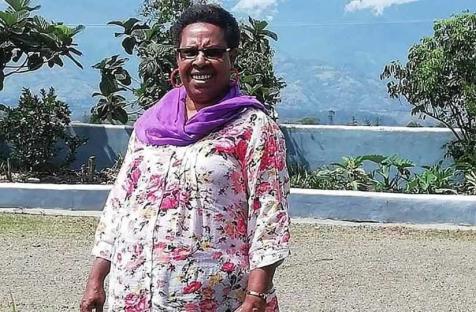
Rufina Peter is just the eighth woman elected in Papua New Guinea. But the economist has been battling for her place in society since she was a child.