Parliaments & Representatives

Women make up only 23.5% of Members of Parliament according to the latest available data of the Inter-Parliamentary Union. While significant strides in women’s political participation have been made since the adoption of the Beijing Platform for Action in 1995, which set Member States’ target of achieving gender balance in political decision-making, women are still underrepresented in political decision-making at all levels and gender balance remains an aspirational goal.  Gains in women’s participation have been notable in countries that have taken proactive steps to support women’s political participation, including reforming or amending discriminatory laws, taking concrete action to address violence against women in politics and gender discrimination within parliaments, addressing gender-specific barriers, and supporting women in all forms of decision-making including at local level and in executive government.

Show on Home Page
Yes
Image
Icon
Banner Image
August 5, 2022
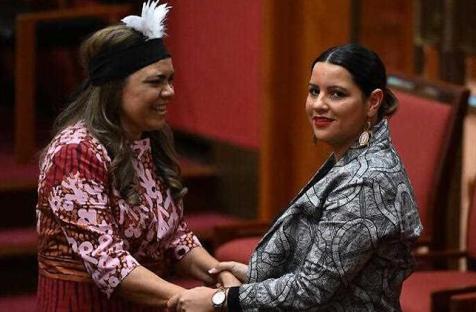
Australia: New First Nations female parliamentarians deliver powerful maiden speeches

Labor Senator for Victoria Jana Stewart made history by becoming the youngest First Nations woman elected to the Parliament, while Marion Scrymgour and Jacinta Price spoke of issues facing Territory communities.

July 14, 2022
Only 6% women active in Nigerian politics — Report

A report by the Gender Strategy Advancement International, GSAI, has disclosed that women political participation in Nigeria falls below the world and African continental  standards.

July 7, 2022
Japan: Local assemblies identify barriers that stop women entering politics

Local politicians across Japan feel that more needs to be done to help women enter and remain in politics, from combatting sexual harassment to beefing up maternity leave policies, according to a new survey.