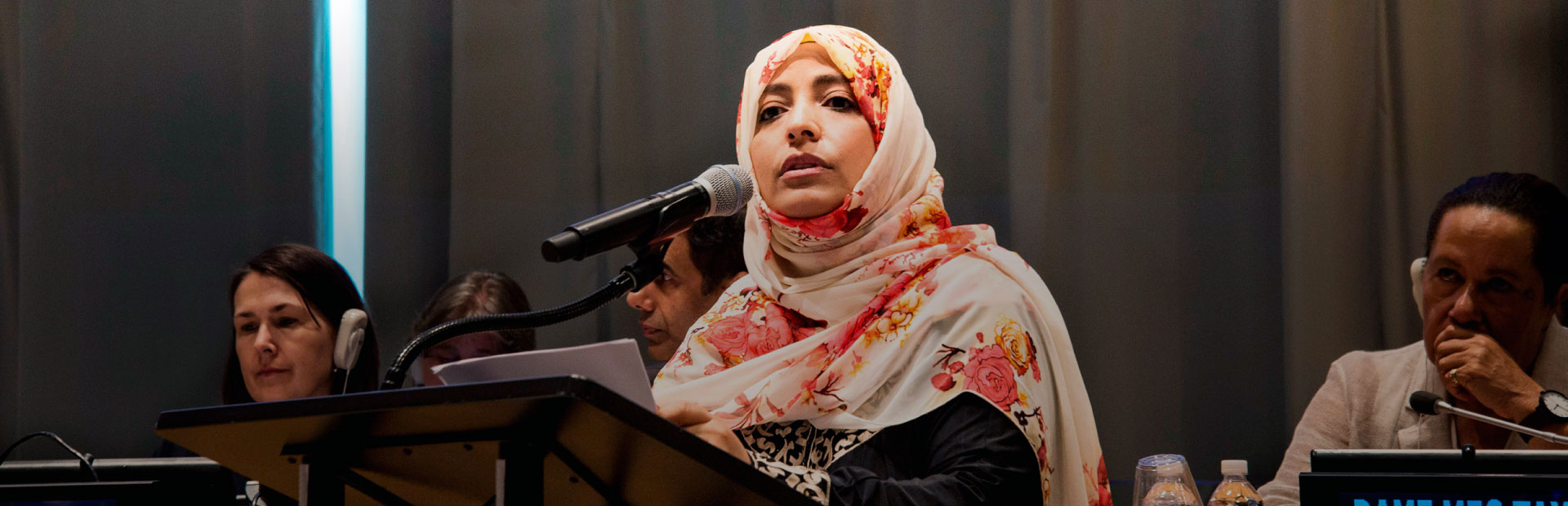
Parliaments & Representatives

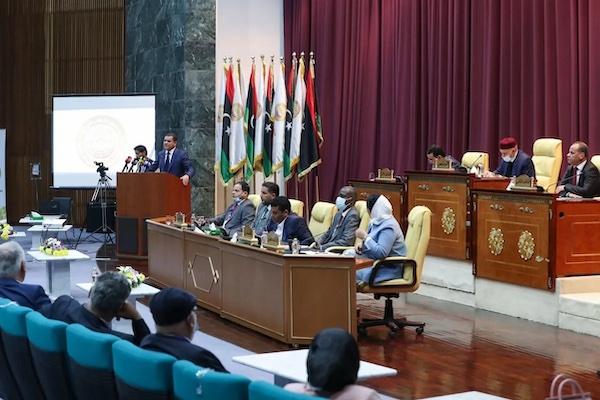
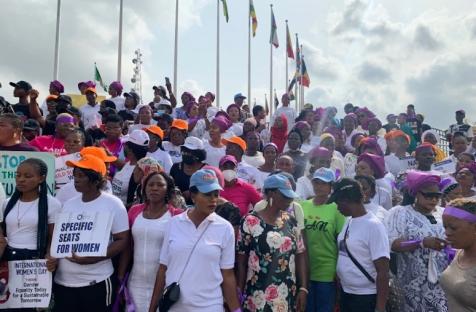
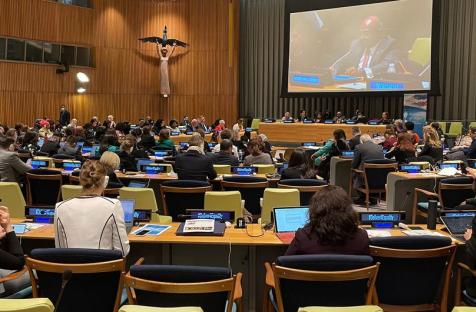
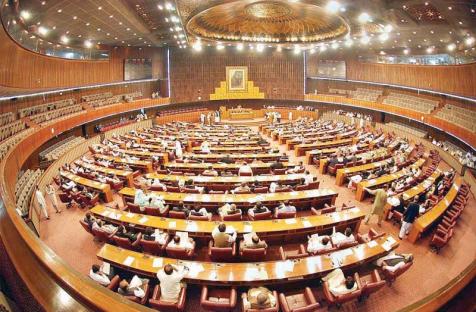
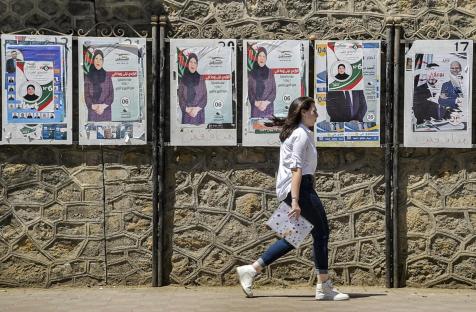
Women make up only 23.5% of Members of Parliament according to the latest available data of the Inter-Parliamentary Union. While significant strides in women’s political participation have been made since the adoption of the Beijing Platform for Action in 1995, which set Member States’ target of achieving gender balance in political decision-making, women are still underrepresented in political decision-making at all levels and gender balance remains an aspirational goal.  Gains in women’s participation have been notable in countries that have taken proactive steps to support women’s political participation, including reforming or amending discriminatory laws, taking concrete action to address violence against women in politics and gender discrimination within parliaments, addressing gender-specific barriers, and supporting women in all forms of decision-making including at local level and in executive government.

Show on Home Page
Yes
Image
Icon
Banner Image
February 17, 2022
Women hold record number of Australian Government board positions

The Morrison Government has welcomed the latest Gender Balance on Government Boards figures, which show that for the first time, more than half of Australian Government board positions are held by women.

Women are more likely to get elected to local bodies than to national parliaments

Back
February 16, 2022

Women are more likely to get elected to local bodies than to national parliaments

By Akshi Chawla

As women elected officials move from local politics towards the subnational and national levels, they begin to be replaced by more and more men.

By Akshi Chawla

As women elected officials move from local politics towards the subnational and national levels, they begin to be replaced by more and more men.

Representative budgeting: women mayors and the composition of spending in local governments

Back
February 16, 2022

Representative budgeting: women mayors and the composition of spending in local governments

One potential consequence of increasing women’s numeric representation is that women elected officials will behave differently than their men counterparts and improve women’s substantive representation.

One potential consequence of increasing women’s numeric representation is that women elected officials will behave differently than their men counterparts and improve women’s substantive representation.

February 16, 2022
Scotland launches women’s audit to look at barriers to entering Holyrood

Exclusive: presiding officer Alison Johnstone says it will be disappointing if parliament cannot attract more female politicians.

Interviews

In Pakistan, gendered politics prevail

Back
February 10, 2022

In Pakistan, gendered politics prevail

Pakistan’s constitution makes no distinction between genders but women in parliament know that’s not the reality in politics.

Pakistan’s constitution makes no distinction between genders but women in parliament know that’s not the reality in politics.

Women’s representation and implications for fairness, trust, and performance in local government: a survey experiment in Sri Lanka

Back
February 9, 2022

Women’s representation and implications for fairness, trust, and performance in local government: a survey experiment in Sri Lanka

How do quotas for women in Sri Lanka’s local government institutions affect key governance indicators such as perceived fairness, institutional trust, and perceived performance?

How do quotas for women in Sri Lanka’s local government institutions affect key governance indicators such as perceived fairness, institutional trust, and perceived performance?

Biden's first year: A mirage of gender parity

Back
February 8, 2022

Biden's first year: A mirage of gender parity

Joseph Robinette Biden stood before America answering questions for nearly two hours the day before his one-year anniversary of becoming president.

Joseph Robinette Biden stood before America answering questions for nearly two hours the day before his one-year anniversary of becoming president.

Interviews