Parliaments & Representatives
Women make up only 23.5% of Members of Parliament according to the latest available data of the Inter-Parliamentary Union. While significant strides in women’s political participation have been made since the adoption of the Beijing Platform for Action in 1995, which set Member States’ target of achieving gender balance in political decision-making, women are still underrepresented in political decision-making at all levels and gender balance remains an aspirational goal. Gains in women’s participation have been notable in countries that have taken proactive steps to support women’s political participation, including reforming or amending discriminatory laws, taking concrete action to address violence against women in politics and gender discrimination within parliaments, addressing gender-specific barriers, and supporting women in all forms of decision-making including at local level and in executive government.
Show on Home Page
Yes
Image
Icon

Banner Image
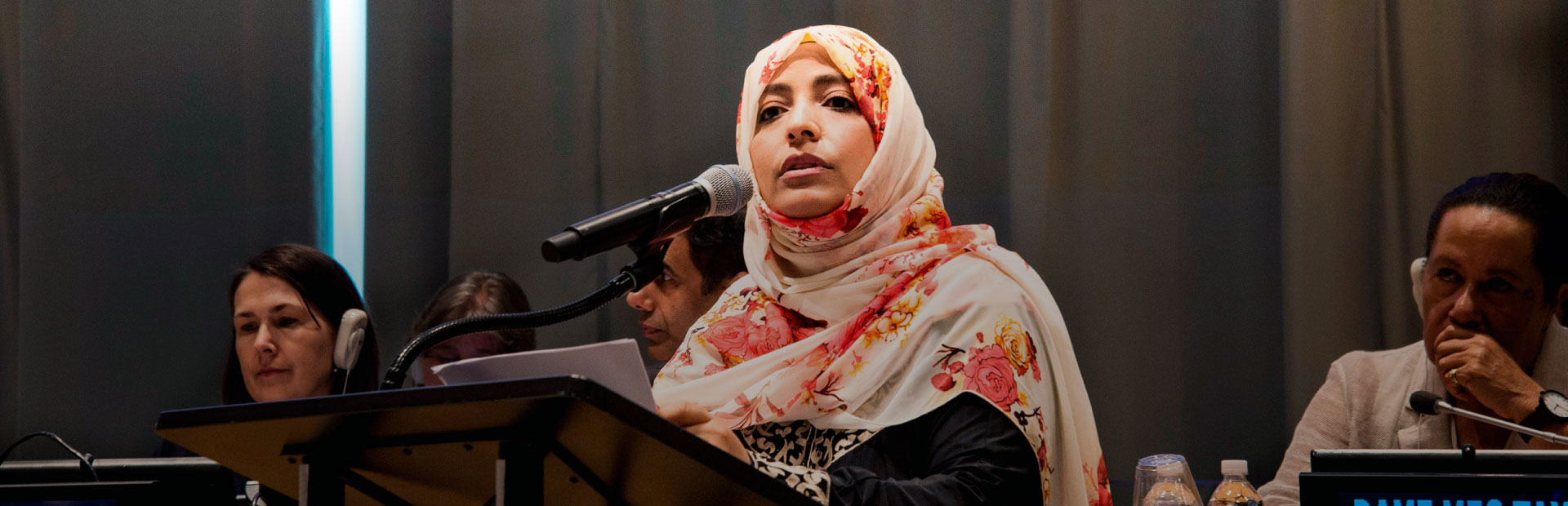
Karen Adam MSP: 'Difficult to convince women to stand in council elections'

Convincing women to run in the upcoming local elections has been “really difficult”, SNP MSP Karen Adam has said, as she urged women and minorities to take up more leadership roles.
March 10, 2022
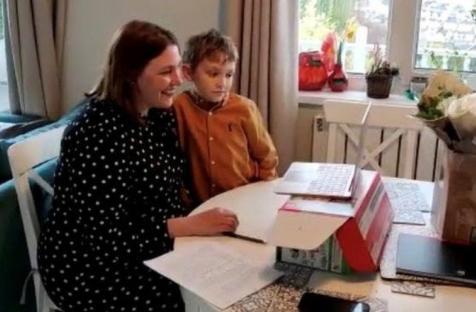
Senedd must become more family-friendly, politicians say
Virtual Senedd meetings should continue long after Covid to make politics accessible to all, a politician with an eight-year-old son has said.

March 9, 2022
New IPU report: more women in parliament and more countries with gender parity
The global proportion of women parliamentarians has increased by 0.6 percentage points to reach 26.1 per cent according to the IPU’s latest

March 9, 2022
Nigeria: Reps reject bill for special seats for women in parliament
The House of Representatives has rejected a bill seeking to reserve special seats for Women at the National and State Houses of Assembly.

March 9, 2022
Nicola Sturgeon: Gender balance in Scotland may reverse as women avoid toxic politics
Nicola Sturgeon said she fears the forthcoming council elections will see equal representation go “backwards” as women are reluctant to enter the “toxic” world of politics.
Gender-sensitive scrutiny: A guide to more effective law-making and oversight

Parliaments have a key role in ensuring not only that everyone is properly represented in decision-making, but also that legislation and government actions take account of the needs and experiences of women and men on an equal basis.
How women politicians of Fiji are treated on Facebook

The number of women in parliament is consistently low throughout the Asia-Pacific region. Many factors contribute to this situation, but studies suggest that one major factor relates to the way that women are treated on social media.
March 7, 2022
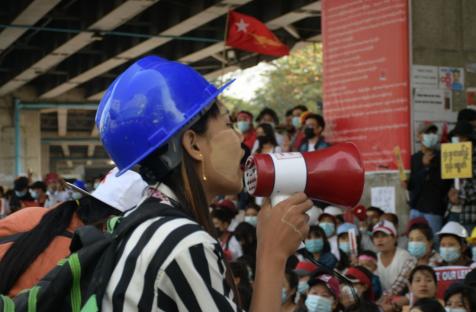
Myanmar’s first post-coup People’s Assembly decides on 30 per cent women’s quota
Women make up over half of Myanmar’s population, yet significant obstacles remain for women to be able to participate in political processes and to achieve equal representation in Myanmar’s state institutions.