Women in parliament in 2021: The year in review

The world walked into 2021 with the shadow of COVID-19 looming large over its head. As well as posing a major health risk, the pandemic had also caused economic and social upheaval.
Women make up only 23.5% of Members of Parliament according to the latest available data of the Inter-Parliamentary Union. While significant strides in women’s political participation have been made since the adoption of the Beijing Platform for Action in 1995, which set Member States’ target of achieving gender balance in political decision-making, women are still underrepresented in political decision-making at all levels and gender balance remains an aspirational goal. Gains in women’s participation have been notable in countries that have taken proactive steps to support women’s political participation, including reforming or amending discriminatory laws, taking concrete action to address violence against women in politics and gender discrimination within parliaments, addressing gender-specific barriers, and supporting women in all forms of decision-making including at local level and in executive government.
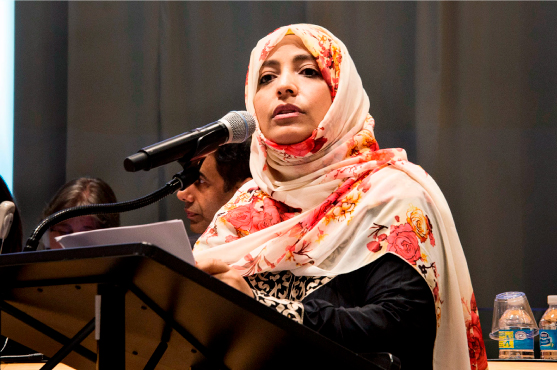

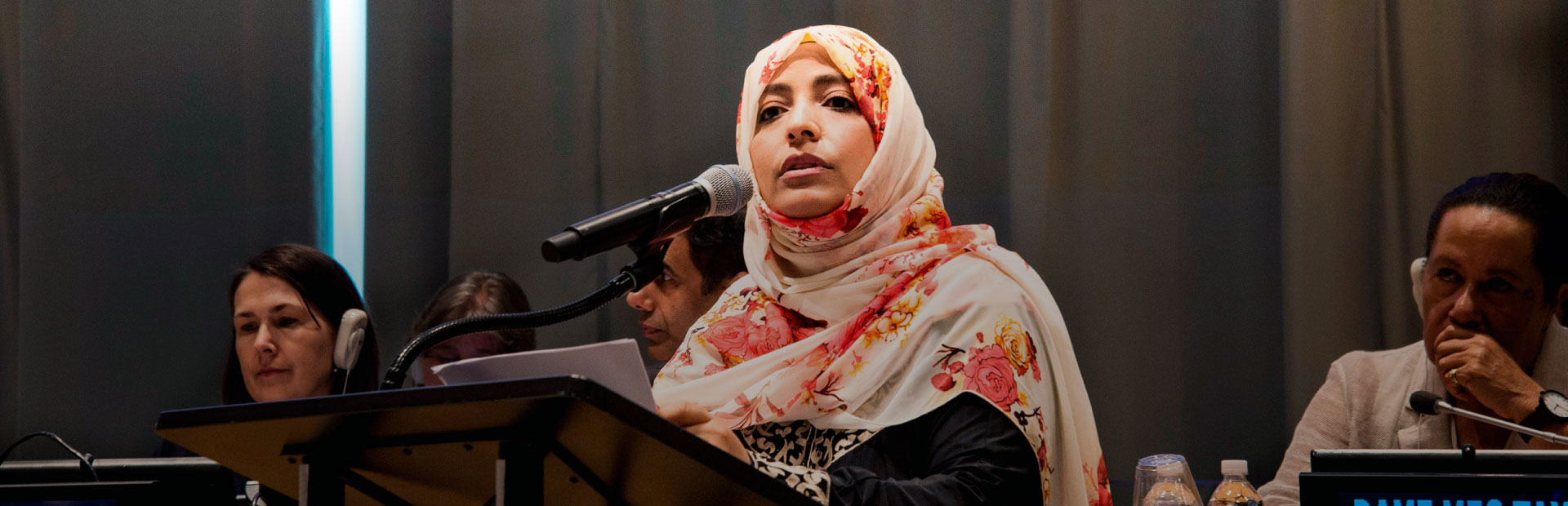
The world walked into 2021 with the shadow of COVID-19 looming large over its head. As well as posing a major health risk, the pandemic had also caused economic and social upheaval.

Sitting at her desk with the Central African flag behind her, Beatrice Epaye’s sustained gaze hints at courage and determination. And she has both in quantities.

By Rumbidzai Kandawasvika-Nhundu

Women's political representation is not only meaningful in terms of fulfilling the quota of 30 percent within the parliament, but also it affects substantive matters such as gender-friendly policies.
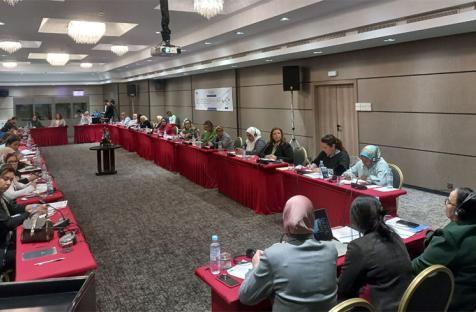
Congress Vice-President and Rapporteur on the South-Med Partnership, Xavier Cadoret (France, SOC/G/PD), welcomed the positive dynamic in Morocco in strengthening women’s political participation as
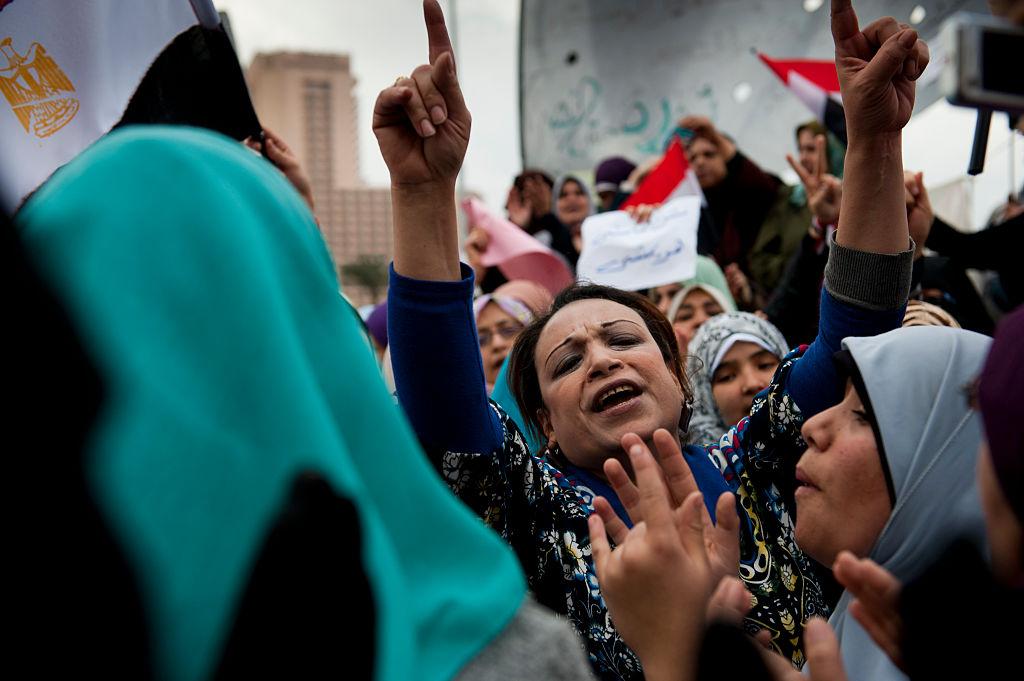
Throughout history, Arab women have suffered greatly under foreign occupation, believing that one day their countries would be free and Women would have political freedom.
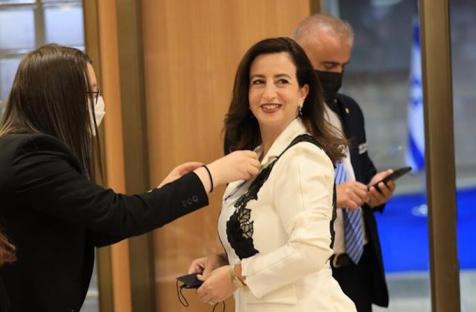
Foreign Minister Yair Lapid has appointed Meretz Knesset member Ghaida Rinawie Zoabi as consul general in Shanghai, sparking an outcry from critics.
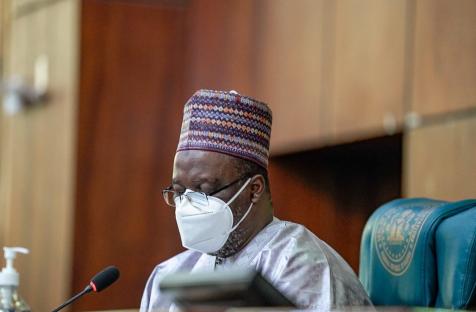
The House of Representatives special committee on review of the 1999 Constitution has presented the first batch of its report.
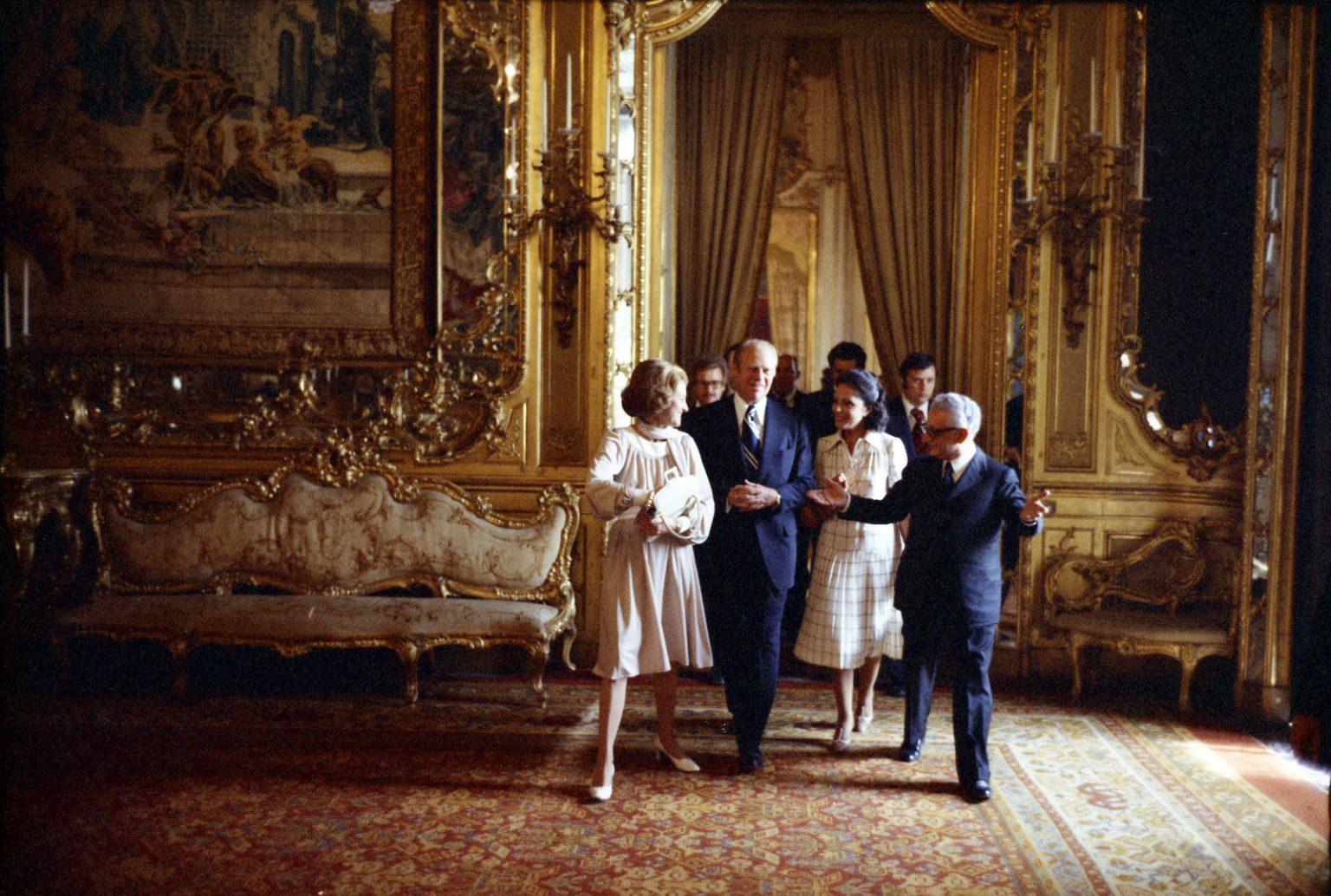
Italy’s new President, once again, is not a woman. But the problem is not just cultural.