Parliaments & Representatives

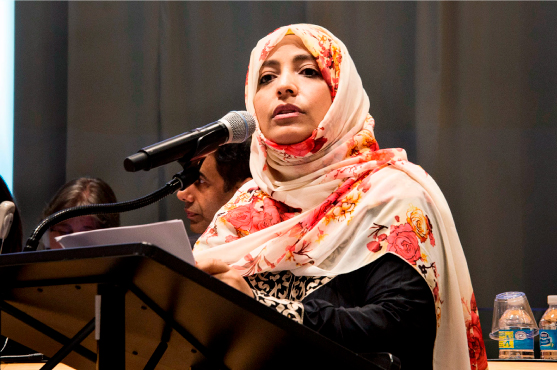
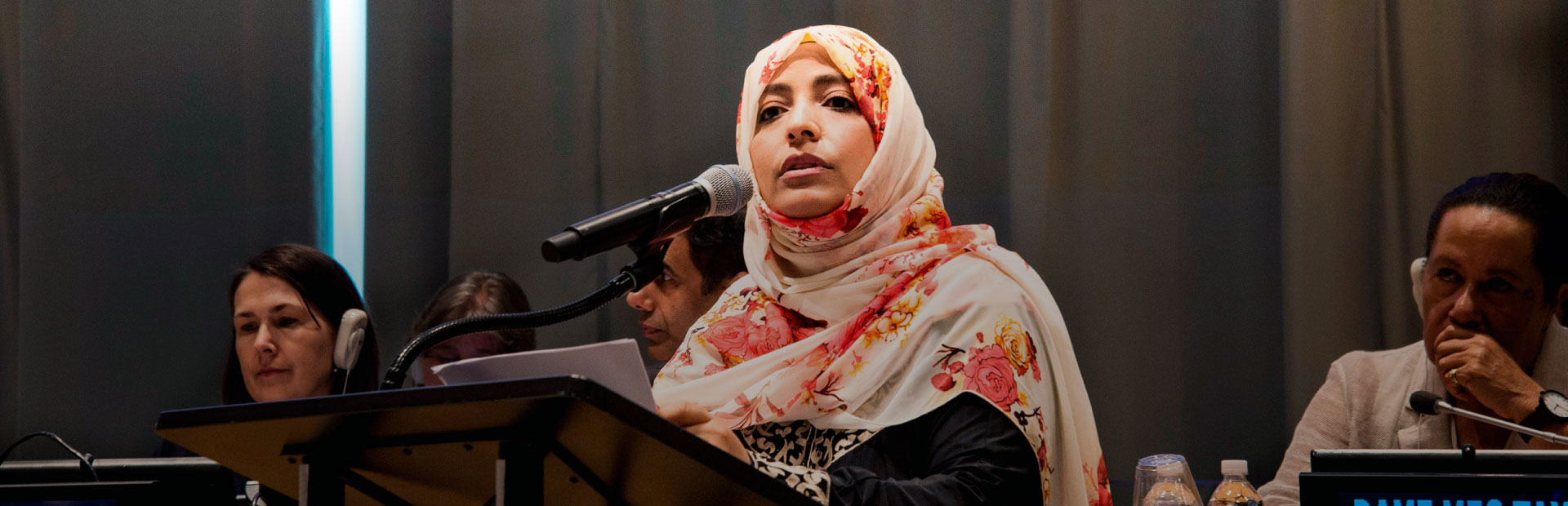
Women make up only 23.5% of Members of Parliament according to the latest available data of the Inter-Parliamentary Union. While significant strides in women’s political participation have been made since the adoption of the Beijing Platform for Action in 1995, which set Member States’ target of achieving gender balance in political decision-making, women are still underrepresented in political decision-making at all levels and gender balance remains an aspirational goal.  Gains in women’s participation have been notable in countries that have taken proactive steps to support women’s political participation, including reforming or amending discriminatory laws, taking concrete action to address violence against women in politics and gender discrimination within parliaments, addressing gender-specific barriers, and supporting women in all forms of decision-making including at local level and in executive government.

Show on Home Page
Yes
Image
Icon
Banner Image
August 3, 2021
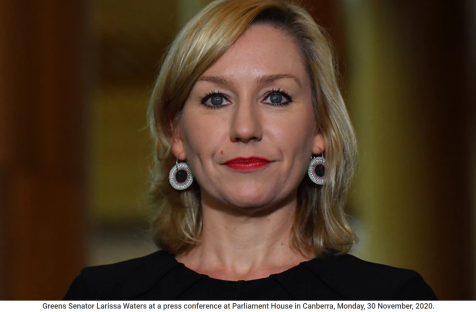
'Toxic boys club': Women in politics join calls for code of conduct in parliament

Federal MPs have told a women’s leadership summit a "legacy of misogyny" and "sexist underbelly" continues to plague Australian politics and must be addressed.
Indigenous academic and activist Elisa Loncon was elected as president of the Constituent Convention during the body's first session on July 4 in Santiago [Javier Torres/AFP]
July 5, 2021
Mapuche woman to lead body drafting Chile’s new constitution

Constitutional assembly picks academic Elisa Loncon to lead body drafting new text to replace Pinochet-era constitution.

June 30, 2021
More Black women are being elected to office. Few feel safe once they get there

Every day for more than four years, Kiah Morris lived in fear. She developed a safety routine for her family with the help of an international security expert, installed security cameras outside their home and received firearms training.