Nigeria’s National Assembly: why adding seats for women isn’t enough

Nigeria has very few women participating in politics. Only seven out of 109 senators and 22 of the 360 House of Representatives members are women.
Women make up only 23.5% of Members of Parliament according to the latest available data of the Inter-Parliamentary Union. While significant strides in women’s political participation have been made since the adoption of the Beijing Platform for Action in 1995, which set Member States’ target of achieving gender balance in political decision-making, women are still underrepresented in political decision-making at all levels and gender balance remains an aspirational goal. Gains in women’s participation have been notable in countries that have taken proactive steps to support women’s political participation, including reforming or amending discriminatory laws, taking concrete action to address violence against women in politics and gender discrimination within parliaments, addressing gender-specific barriers, and supporting women in all forms of decision-making including at local level and in executive government.
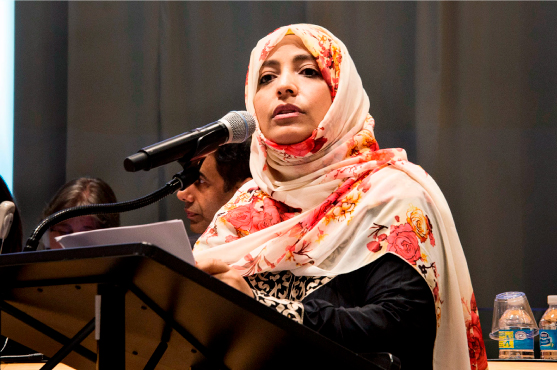

Nigeria has very few women participating in politics. Only seven out of 109 senators and 22 of the 360 House of Representatives members are women.
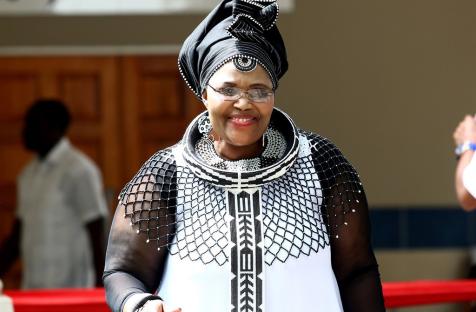
ANC chief whip Pemmy Majodina has confirmed that she accepted an apology from a fellow member of the Pan-African Parliament (PAP), Djibril War, the Senegal representative.

Mexico is the first country in the world to implement gender parity so thoroughly and effectively. The journey has not been easy—and is far from over.
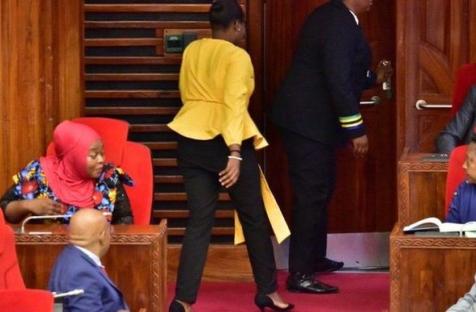
Female MPs in Tanzania have called for an apology to an MP who was ordered to leave parliament because of her trousers.

New York City has had 108 mayors. Not a single one of them has been a woman—but that could change in 2021 as three female candidates emerge as strong, competitive contenders in the June 22 Democratic primary.


Systemic and legal barriers to equal political participation persist at all levels and take different forms, including unfavourable electoral systems, lack of support from political parties, socio-economic, and cultural.

This is a drop from the previous assembly election in 2016, when the State elected 21 women (about nine per cent) into power.

The recent resignation of a former cabinet minster puts the Nova Scotia Liberals in a minority situation, with just 24 seats in the 51-seat legislature.