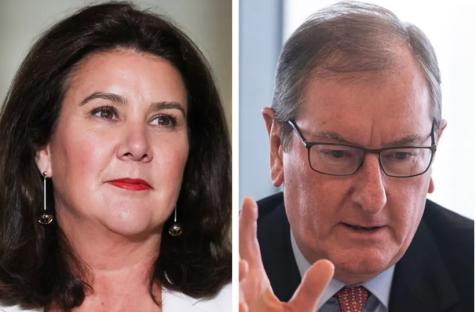
Democrat Nan Whaley broke a political glass ceiling Tuesday when she became the first woman in Ohio history to
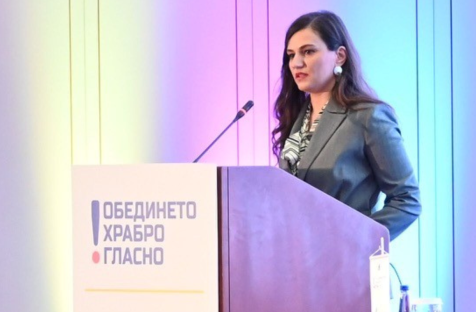
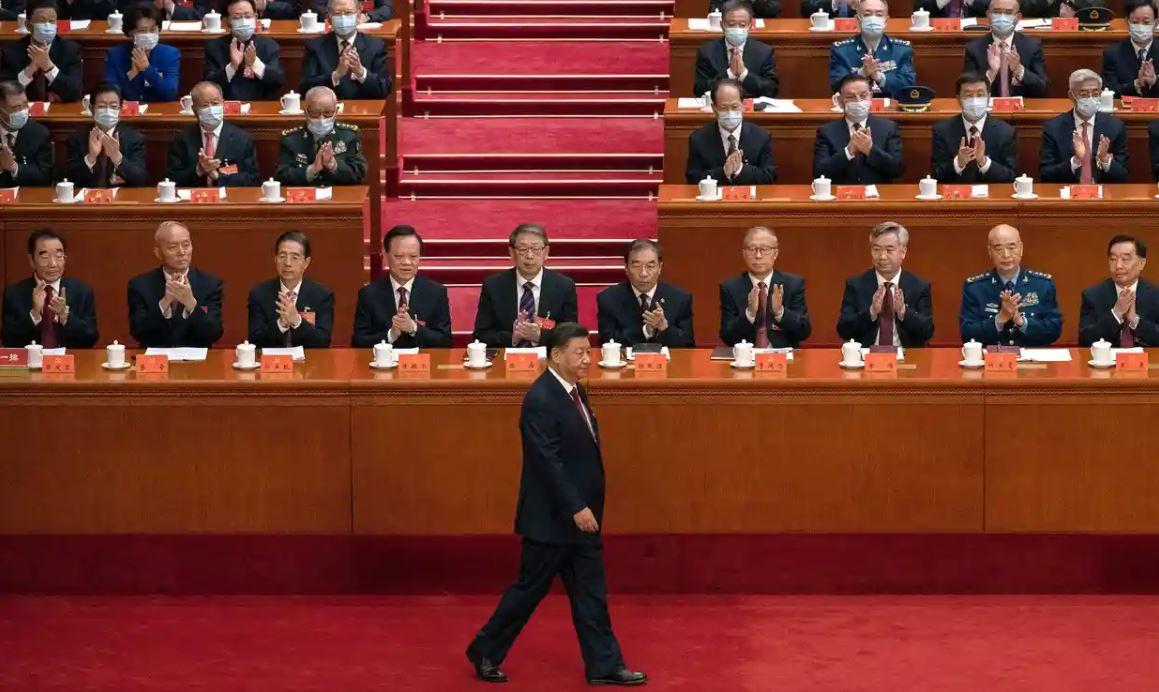
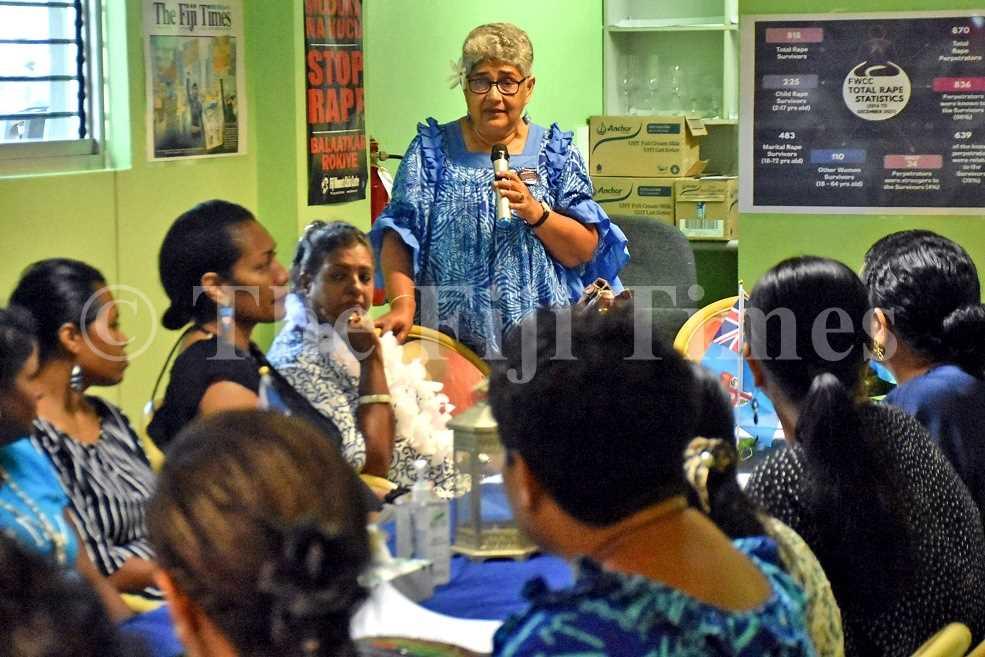
Enhancing women’s political participation requires commitment and proactive engagement of political parties to integrate women’s perspectives into party platforms, ensure that women have equal and safe access to voting, and that women candidates and their advancement in party structures are supported. This includes: proactive outreach to and training women candidates, active measures to prevent violence against women in politics, and providing equitable access to campaign funds and fundraising support. To act meaningfully on these areas and others, political parties can develop concrete gender equality strategies, reform policies, codes of conduct and practices, and conduct regular gender audits.
Democrat Nan Whaley broke a political glass ceiling Tuesday when she became the first woman in Ohio history to
As the world commemorates the 2022 International Women's Day, the plummeting of women's representation in elective office in Africa is alarming.
The National Elections Commission (NEC) and political parties executives have signed the violence against women in elections and politics, the (VAWIE/P) Protocol.
Racial/ethnic minorities and women continue to be underrepresented in public office in the United States.
By D.K. Singh
BJP has a gender disadvantage: no woman president or Chief Minister, and only one woman among 36 chiefs of states and union territories.
By D.K. Singh
BJP has a gender disadvantage: no woman president or Chief Minister, and only one woman among 36 chiefs of states and union territories.
Sharda Devi, the first woman state president of the ruling BJP in Manipur, wants the party to put up a sizeable number of women candidates for the Assembly elections
In line with the inclusive principles enshrined in the Constitution of Nepal 2015, the three major political parties—in their recently held general conventions—included cluster-wise inclusion in their central committees (CCs).
By Mohamad Ika Danial Abdullah
‘Leave no one behind’ (LNOB) is the central, transformative promise of the 2030 Agenda for Sustainable Development and its Sustainable Development Goals (SDGs).