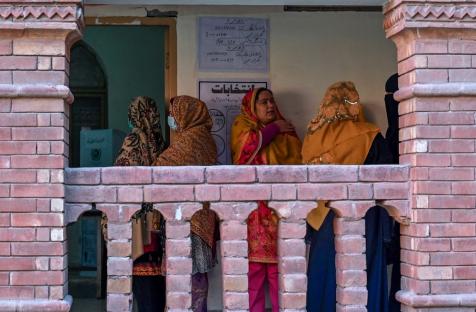
The political structure and processes in Bangladesh remain predominantly patriarchal and under male control.
Women's Leadership
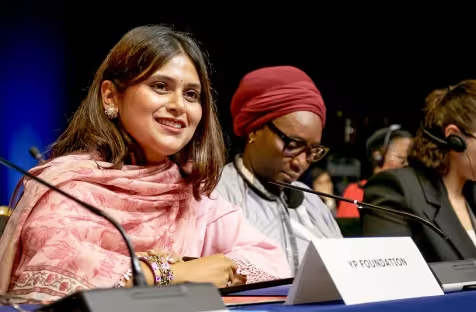
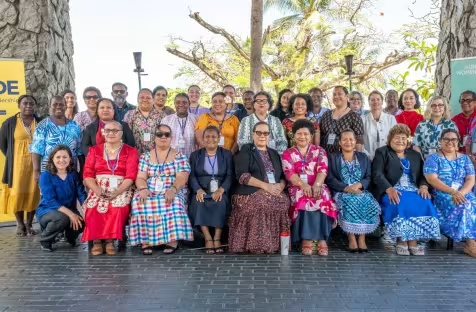
While there have been important advances in women’s leadership in politics, as of November 1 2017, women make up only 7.2% of Heads of State and 6.2% Heads of Government. Data on women representatives in local government, including as mayors, heads of villages and towns, is not well collected and analyzed. The adoption of an SDG indicator on women’s representation in local government is a great step forward in tracking progress on gender balance, allowing for the systematic collection and analysis of data on women in local government. Women’s access to and continued role in leadership positions is challenged by a range of barriers, including discriminatory laws and practices, as well as social norms that prescribe traditional roles and attitudes towards women’s participation in leadership and decision-making roles. Proactive gender-equality policies within political parties and local government structures, including quotas and special temporary measures, gender-sensitive approaches to electoral processes, support networks, mentoring, training, and engagement of male champions, can all help promote women’s role in political leadership.
Women in local politics: From formal presence to real influence
It is worth repeating that women constitute half of society. Any decision-making without the equal participation of women is truncated and illegitimate from a democratic point of view.
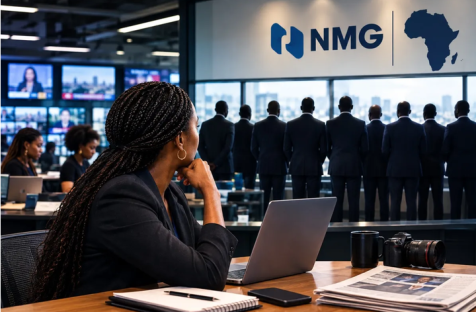
Gender balance at work depends on women’s power in politics
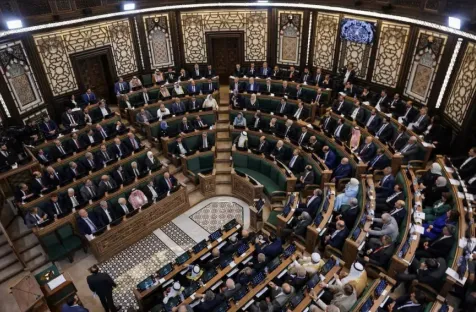
Across the world, women are underrepresented. Globally, fewer than one in four parliamentarians are women. In many Asia–Pacific countries, including Bangladesh, systemic barriers continue to limit women’s political participation.
The Minister of Solidarity, Social Inclusion and Family, Naïma Ben Yahia, announced on Monday in Rabat the upcoming launch of a nationwide awareness campaign promoting women’s political participation and tackling discrimination and stereotypes in politics.
United Nations Assistant Secretary-General and UN Women Deputy Executive Director, Ms Nyaradzayi Gumbonzvanda, is in Zimbabwe from January 12 to 16 on a mission to strengthen national efforts to advance gender equality.
Women in exile shaped South Africa’s anti-apartheid movement
REVIEW: In 2025, Nigerian women intensified push for gender reforms
Discussions around gender issues, especially women’s representation in parliament, intensified in Nigeria in 2025.
The Senate, the Silence, and the Stubborn Woman: Gendered Punishment in Politics
In March 2025, Nigeria’s political scene was jolted when Senator Natasha Akpoti-Uduaghan publicly accused Senate President Godswill Akpabio o
Power has never protected women in leadership
Women in politics are, historically speaking, newcomers to a field built without them in mind.
Pagination
- Page 1
- Next page