Women's Leadership
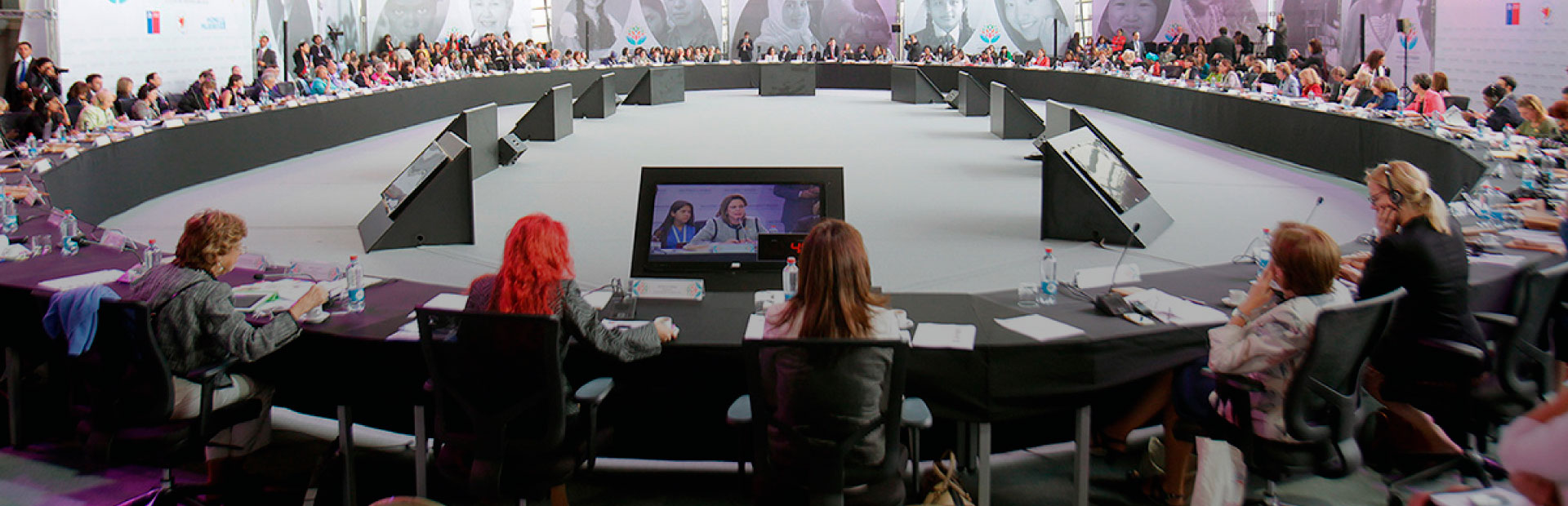
While there have been important advances in women’s leadership in politics, as of November 1 2017, women make up only 7.2% of Heads of State and 6.2% Heads of Government. Data on women representatives in local government, including as mayors, heads of villages and towns, is not well collected and analyzed. The adoption of an SDG indicator on women’s representation in local government is a great step forward in tracking progress on gender balance, allowing for the systematic collection and analysis of data on women in local government. Women’s access to and continued role in leadership positions is challenged by a range of barriers, including discriminatory laws and practices, as well as social norms that prescribe traditional roles and attitudes towards women’s participation in leadership and decision-making roles. Proactive gender-equality policies within political parties and local government structures, including quotas and special temporary measures, gender-sensitive approaches to electoral processes, support networks, mentoring, training, and engagement of male champions, can all help promote women’s role in political leadership.
Show on Home Page
Yes
Image
Icon

Banner Image
September 8, 2026
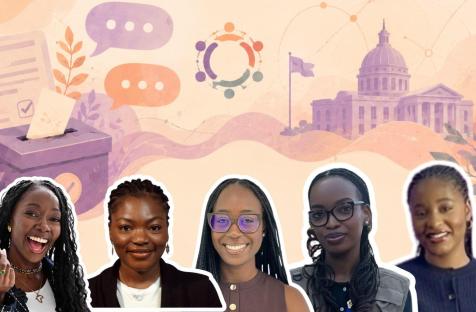
Democracy in the present tense Five young African women leaders on participation, trust and the power to shape public life
A photograph of a voter-registration card lands on a Kenyan social feed. The caption reads Niko Kadi — ‘I am registered’. Another young person posts their own.

September 8, 2026
The UN Has Never Had a Woman Become Secretary-General. Latin America Could Change That.
September 2, 2026
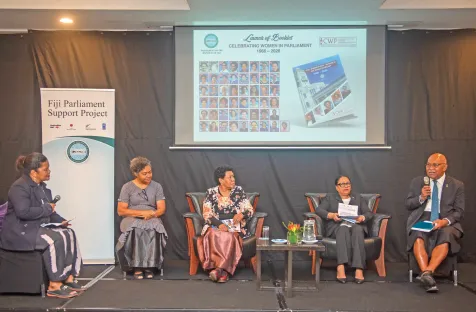
Minister Kiran urges more women to enter politics despite challenges
Changing public perceptions about women in leadership is critical to increasing female representation in Parliament, says Minister for Women, Children and Social Protection Sashi Kiran.
August 20, 2026
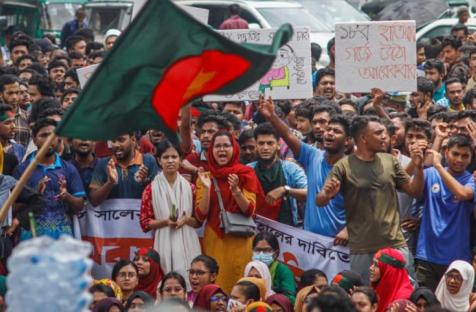
How patriarchy continues to limit women’s political role
Women were at the forefront of the July 2024 uprising, but in the subsequently formed political structures, insecurity and social backlash gradually pushed them aside.
Women in Power: Fighting for Democracy in an Age of Authoritarianism
Back
August 20, 2026
Women in Power: Fighting for Democracy in an Age of Authoritarianism
Women in Power: Fighting for Democracy in an Age of Authoritarianism explores the connections between the current wave of democratic backsliding and the stalling of women’s political leadership after decades of steady gains.
Print article
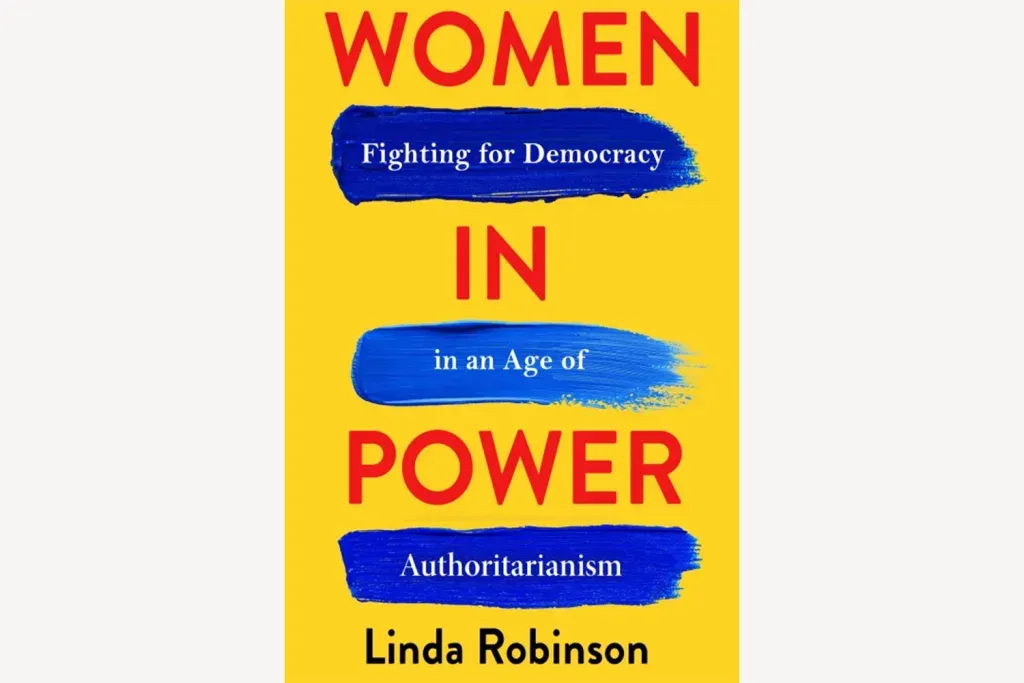
Women in Power: Fighting for Democracy in an Age of Authoritarianism explores the connections between the current wave of democratic backsliding and the stalling of women’s political leadership after decades of steady gains.
August 14, 2026
How Women Promote Feminism with a Peace and Security Approach
The feminist peace ideology then replaces violence with empowering women through raising women’s awareness.
The women, peace, and Security (WPS) agenda is an essential framework that recognises the indispensable role of women in achieving sustainable peace and security.
August 14, 2026
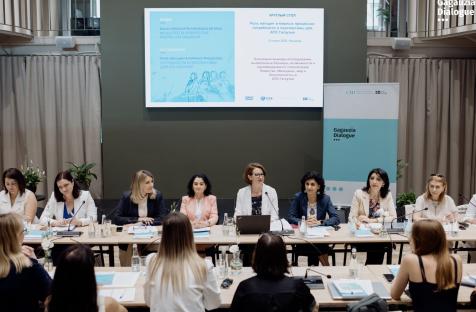
Moldova study: women’s meaningful participation is essential for sustainable peace
Women in the Autonomous Territorial Unit (ATU) of Gagauzia already play pivotal roles in sustaining dialogue, strengthening community resilience, and preventing conflict.
August 14, 2026
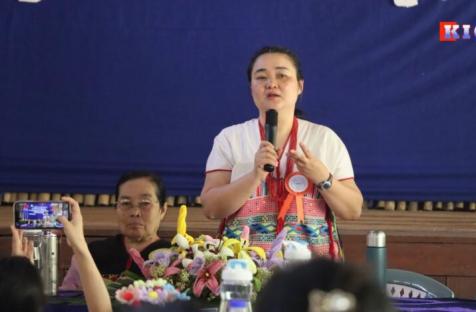
Myanmar Women Building Local Courts, Governance Systems Amid Crisis, Rights Groups Say
Speaking at the event focused on the Women, Peace, and Security (WPS) agenda on Aug. 3, Naw K’nyaw Paw, chairwoman of the Karen Women’s Organisation (KWO), emphasized that women have become the primary architects of local administration and humanitarian response under military rule.