Women's Leadership

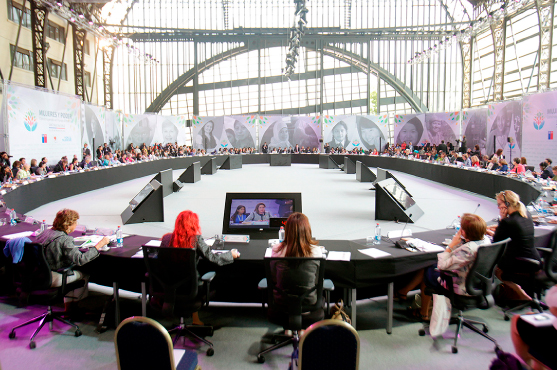
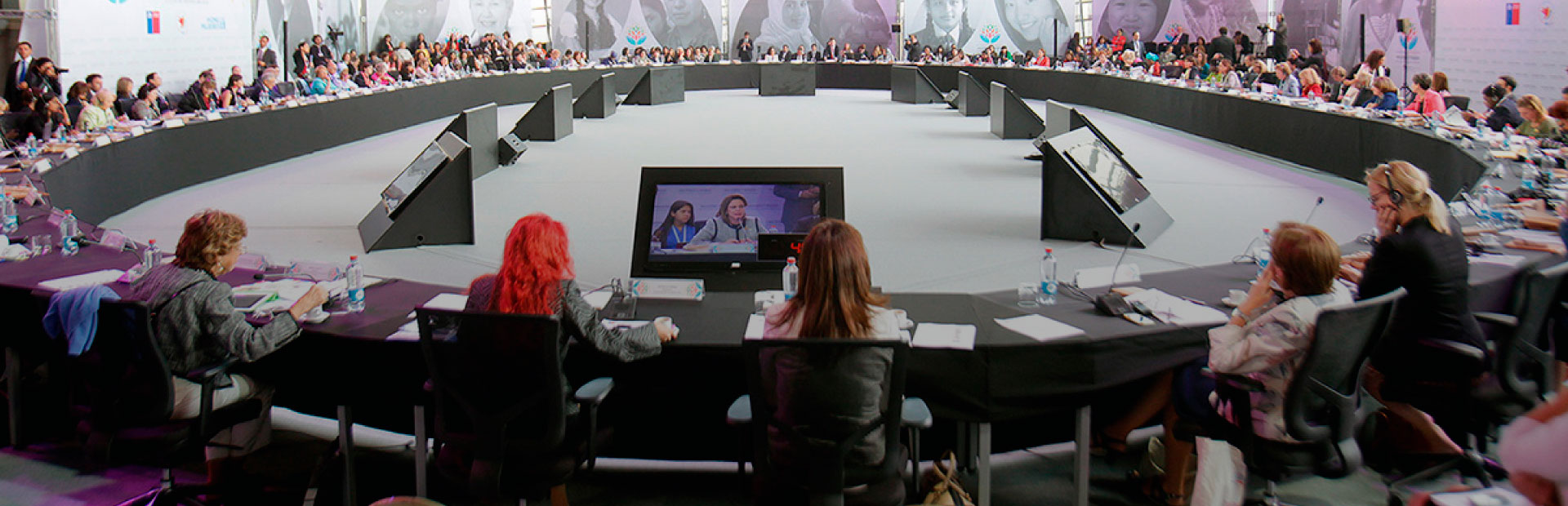
While there have been important advances in women’s leadership in politics, as of November 1 2017, women make up only 7.2% of Heads of State and 6.2% Heads of Government. Data on women representatives in local government, including as mayors, heads of villages and towns, is not well collected and analyzed. The adoption of an SDG indicator on women’s representation in local government is a great step forward in tracking progress on gender balance, allowing for the systematic collection and analysis of data on women in local government. Women’s access to and continued role in leadership positions is challenged by a range of barriers, including discriminatory laws and practices, as well as social norms that prescribe traditional roles and attitudes towards women’s participation in leadership and decision-making roles. Proactive gender-equality policies within political parties and local government structures, including quotas and special temporary measures, gender-sensitive approaches to electoral processes, support networks, mentoring, training, and engagement of male champions, can all help promote women’s role in political leadership. 

Show on Home Page
Yes
Image
Icon
Banner Image
October 21, 2020
African women enjoying increasing participation in politics

The African continent has achieved major milestones in women’s participation in political decision making during the past decade, the African Union (AU) Commission has said.

October 21, 2020
Strengthening women’s political participation in Bhutan

Identifying obstacles and focusing on long-term solutions to propose strategies for equal representation

October 21, 2020
Training for increased women's political participation in Myanmar

Creating women’s wings within political parties allows women greater influence over policymaking

October 21, 2020
Breaking down gender barriers in Paraguay

Pushing gender parity and youth participation to the forefront of the political agenda