October 26, 2020
Next Serb government among most gender-balanced in the world
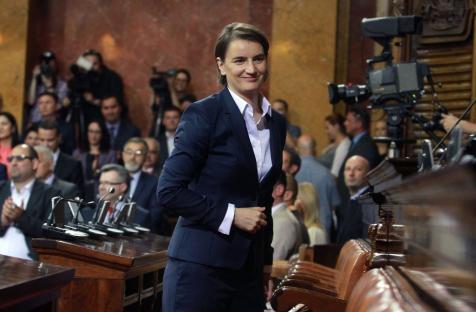
Serbia’s proposed new-look government is among the world’s most gender balanced, with women named to half of ministerial posts.
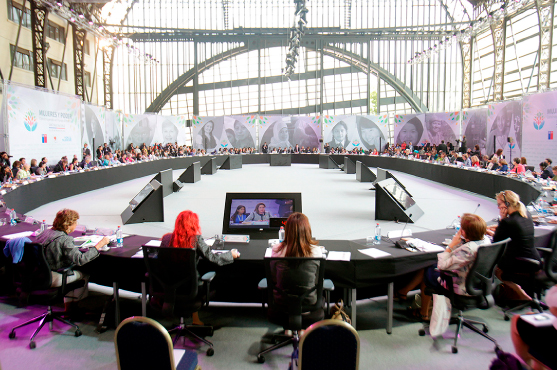
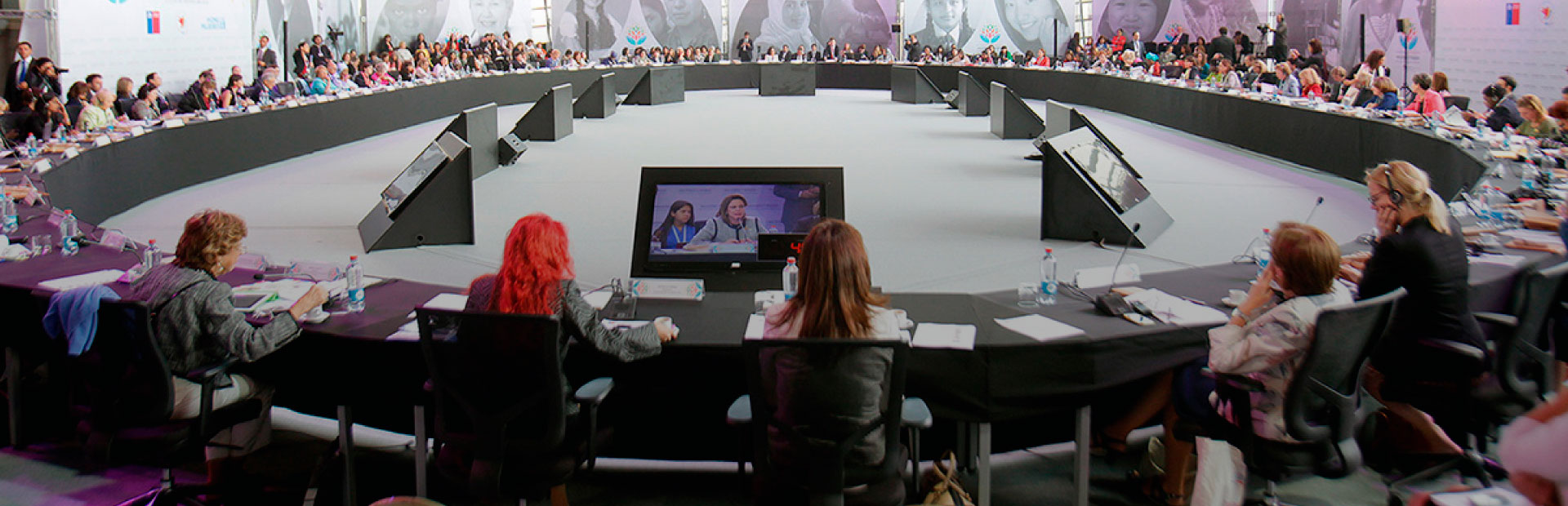
While there have been important advances in women’s leadership in politics, as of November 1 2017, women make up only 7.2% of Heads of State and 6.2% Heads of Government. Data on women representatives in local government, including as mayors, heads of villages and towns, is not well collected and analyzed. The adoption of an SDG indicator on women’s representation in local government is a great step forward in tracking progress on gender balance, allowing for the systematic collection and analysis of data on women in local government. Women’s access to and continued role in leadership positions is challenged by a range of barriers, including discriminatory laws and practices, as well as social norms that prescribe traditional roles and attitudes towards women’s participation in leadership and decision-making roles. Proactive gender-equality policies within political parties and local government structures, including quotas and special temporary measures, gender-sensitive approaches to electoral processes, support networks, mentoring, training, and engagement of male champions, can all help promote women’s role in political leadership.

Serbia’s proposed new-look government is among the world’s most gender balanced, with women named to half of ministerial posts.

Twenty-five years ago, leaders and organizers from around the world rallied behind Hillary Clinton’s declaration that “women’s rights are human rights, and hu

Last month, Japanese lawmaker Mio Sugita caused outrage on social media when she said that some women lie about sexual assaults.

Times of crisis can foster innovation and illumination.

A report from the Center for American Women and Politics states that, in 2020, 18 Native American women—nine Democrats and nine Republicans—will have run as congressional candi

This year has witnessed more women helming important political positions across the globe. As trailblazers these leaders are doing well in balancing a firm yet empathetic mindset towards people and have become harbingers of growth and development.

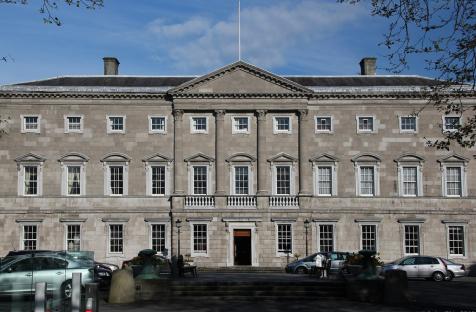
The online abuse of women in politics is on the increase in Ireland, and has included threats of physical and sexual violence against them and their families, a study has found.
