Chief, the private network for women leaders, has raised $15 million in a new round of funding to expand into new cities.
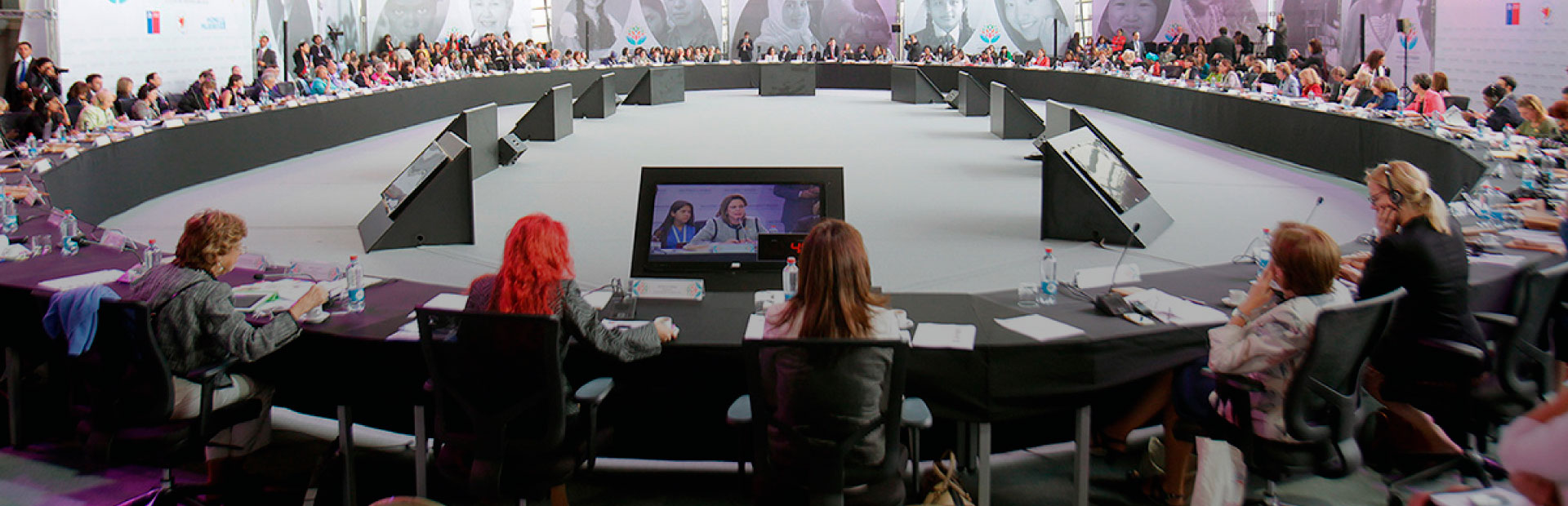
While there have been important advances in women’s leadership in politics, as of November 1 2017, women make up only 7.2% of Heads of State and 6.2% Heads of Government. Data on women representatives in local government, including as mayors, heads of villages and towns, is not well collected and analyzed. The adoption of an SDG indicator on women’s representation in local government is a great step forward in tracking progress on gender balance, allowing for the systematic collection and analysis of data on women in local government. Women’s access to and continued role in leadership positions is challenged by a range of barriers, including discriminatory laws and practices, as well as social norms that prescribe traditional roles and attitudes towards women’s participation in leadership and decision-making roles. Proactive gender-equality policies within political parties and local government structures, including quotas and special temporary measures, gender-sensitive approaches to electoral processes, support networks, mentoring, training, and engagement of male champions, can all help promote women’s role in political leadership.
Chief, the private network for women leaders, has raised $15 million in a new round of funding to expand into new cities.
This brief summarizes challenges and recommendations of the impact of the recent pandemic of COVID-19 in Tunisia on gender-based violence, access to justice, women and health, and women’s leadership and political participation.
To rectify this inequality, a majority of countries (or at least one political party in most) have imposed female electoral quota syst
The gendered dimensions of political leadership during the Covid-19 crisis has achieved global proportions, with headlines claiming that women are doing things differently, and with better results.
New Zealand is “halfway down Everest,” Prime Minister Jacinda Ardern said of the country’s battle with the coronavirus.
The coronavirus pandemic is forcing us all to enter a new normal; a new way of life that is pushing us to change the way we work, create and understand the world.
Jacinda Ardern became New Zealand’s most popular prime minister in a century, a Newshub-Reid Research poll showed on Monday, thanks to her COVID-19 response that made the country among the most successful in curbing the spread of the disease.
By Shirin Shabana,
By Shirin Shabana,
A record 490 women have filed to run for U.S.