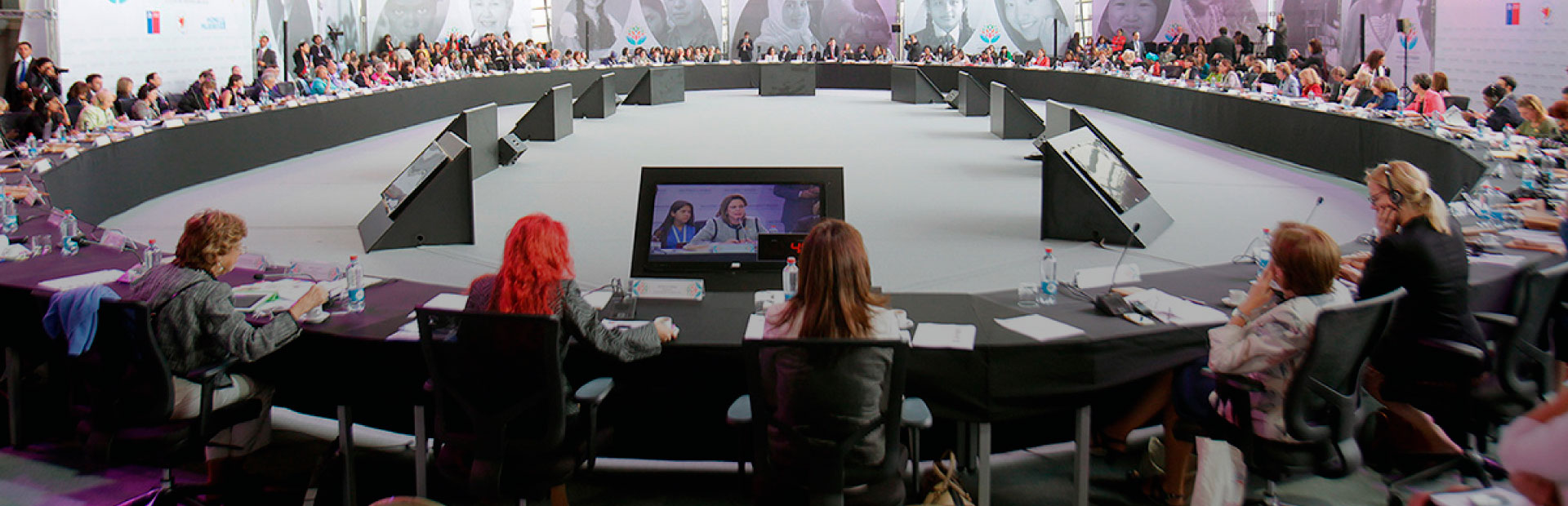
Women's Leadership

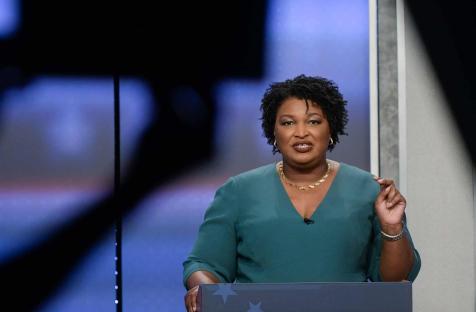
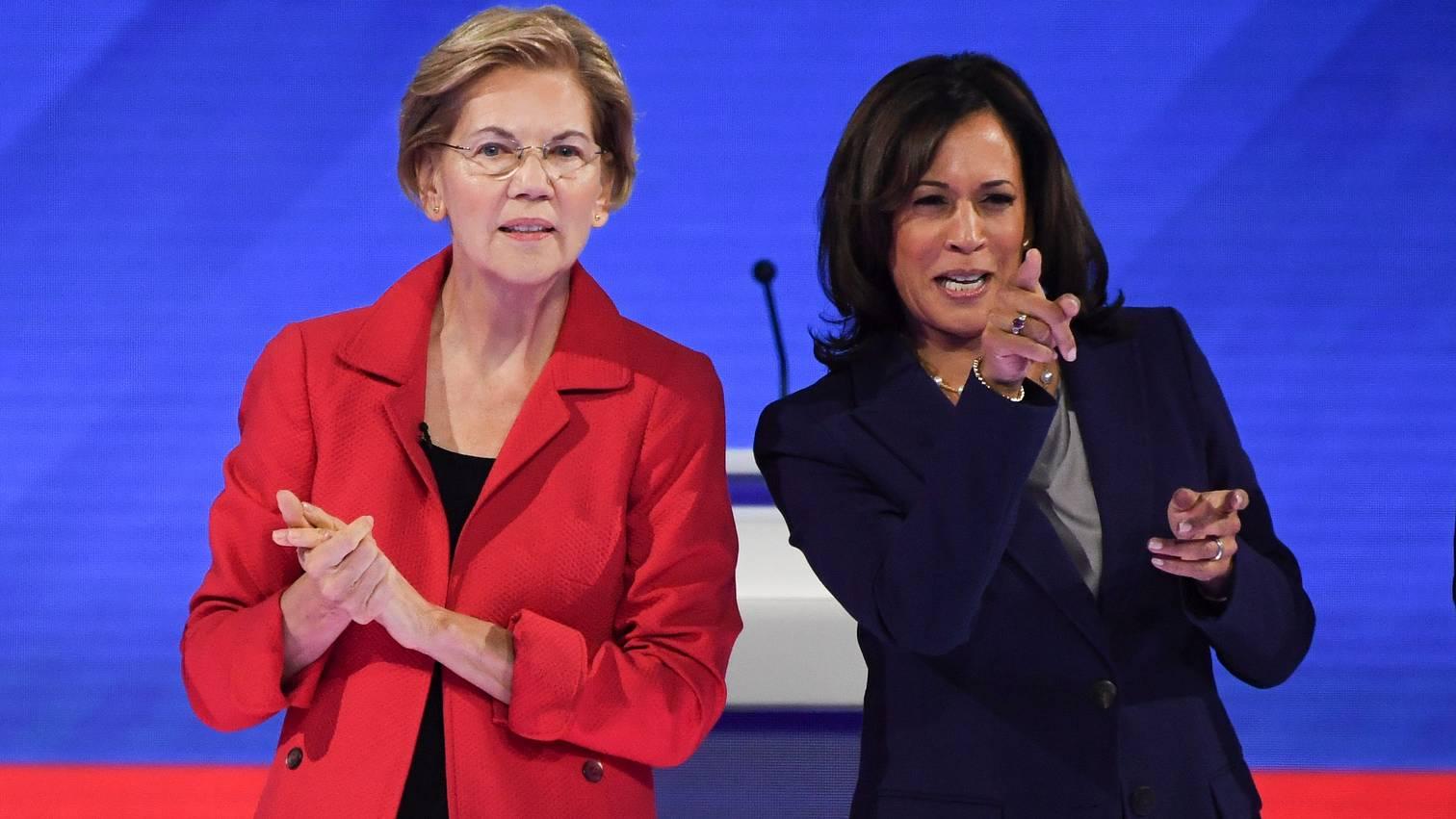
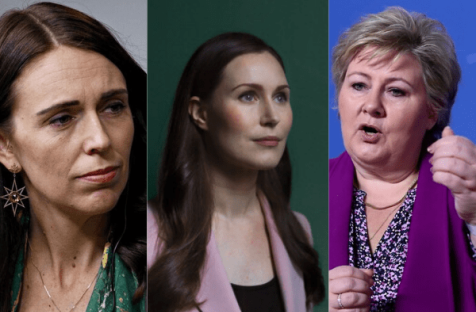
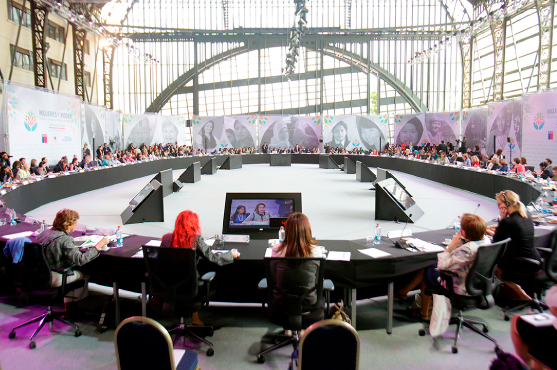
While there have been important advances in women’s leadership in politics, as of November 1 2017, women make up only 7.2% of Heads of State and 6.2% Heads of Government. Data on women representatives in local government, including as mayors, heads of villages and towns, is not well collected and analyzed. The adoption of an SDG indicator on women’s representation in local government is a great step forward in tracking progress on gender balance, allowing for the systematic collection and analysis of data on women in local government. Women’s access to and continued role in leadership positions is challenged by a range of barriers, including discriminatory laws and practices, as well as social norms that prescribe traditional roles and attitudes towards women’s participation in leadership and decision-making roles. Proactive gender-equality policies within political parties and local government structures, including quotas and special temporary measures, gender-sensitive approaches to electoral processes, support networks, mentoring, training, and engagement of male champions, can all help promote women’s role in political leadership. 

Show on Home Page
Yes
Image
Icon
Banner Image
March 2, 2020
What’s needed for real changes for women in Lebanese politics?

Women were at the forefront of Lebanon’s 2019 ‘October Revolution’.

Protecting political campaigns from digital threats

Back
March 2, 2020

Protecting political campaigns from digital threats

Political campaigns online have demonstrated that they can help candidates win elections, include more citizens’ concerns in political debates or allow upcoming parties to gain political exposure.

Political campaigns online have demonstrated that they can help candidates win elections, include more citizens’ concerns in political debates or allow upcoming parties to gain political exposure.

February 28, 2020
The year women won the right to vote in 46 countries

The United States is celebrating the 100th anniversary of the 19th Amendment to the constitution, passed in 1919 and ratified in 1920.

February 28, 2020
Kazakhstan intends to introduce 30% quota for women and youth in political parties

«On December 20, 2019 during the second session of the National Council of Public Confidence the President made proposals aimed at reforming the current political system.

February 28, 2020
Women’s suffrage marks 100 years on election day in Slovakia

Many people see February 29 as a leap day, but it plays a much more important role in the history of the Slovaks and the Czechs. Their first democratic Constitution was adopted exactly 100 years ago.

February 28, 2020
Australia: Politics is where change happens. We must get more women involved

Five years after the launch of Pathways to Politics, which was set up by leading business figure and women’s rights campaigner 

February 27, 2020
Uganda: More women urged to enter politics ahead of 2021 General Elections

Former Ethics and Integrity minister Dr. Miria Matembe has challenged women to take up more leadership positions in the forthcoming general elections, in order to achieve gender balance.

Women’s political representation and legislative achievements: How women are changing state legislatures

Back
February 27, 2020

Women’s political representation and legislative achievements: How women are changing state legislatures

Women made great strides in political representation in 2018. There has been significant media attention devoted to the historic gains women made in Congress, but the shift in political representation the states was equally significant.

Women made great strides in political representation in 2018. There has been significant media attention devoted to the historic gains women made in Congress, but the shift in political representation the states was equally significant.

February 27, 2020
80% of Arab women parliamentarians have experienced gendered violence

A study by the Network of Arab Women Parliamentarians for Equality (Ra’Edat) on the scale of violence against women parliamentarians in the Arab world found that 79.6% were exposed to one or more forms of violence.