Women's Leadership
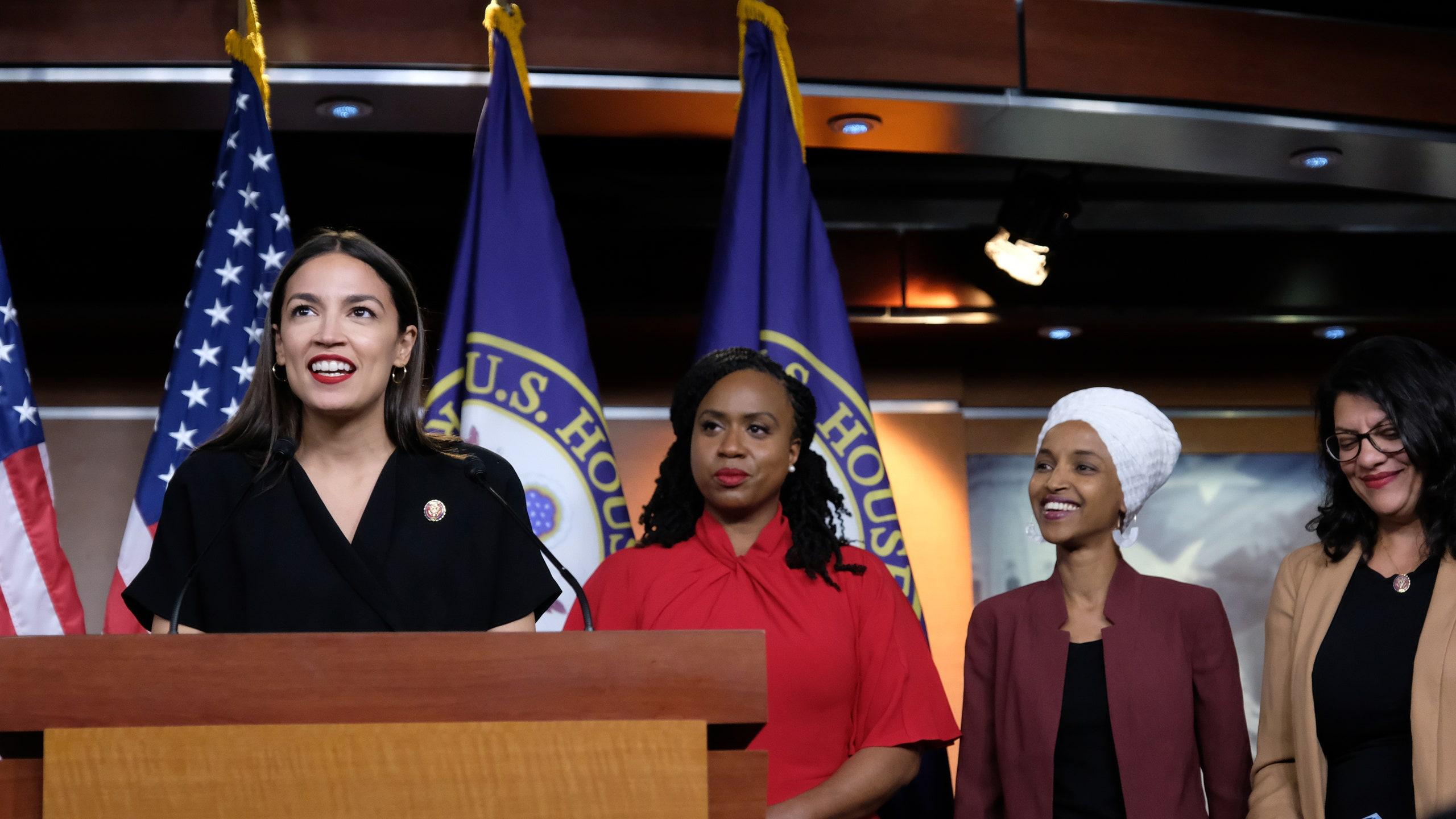
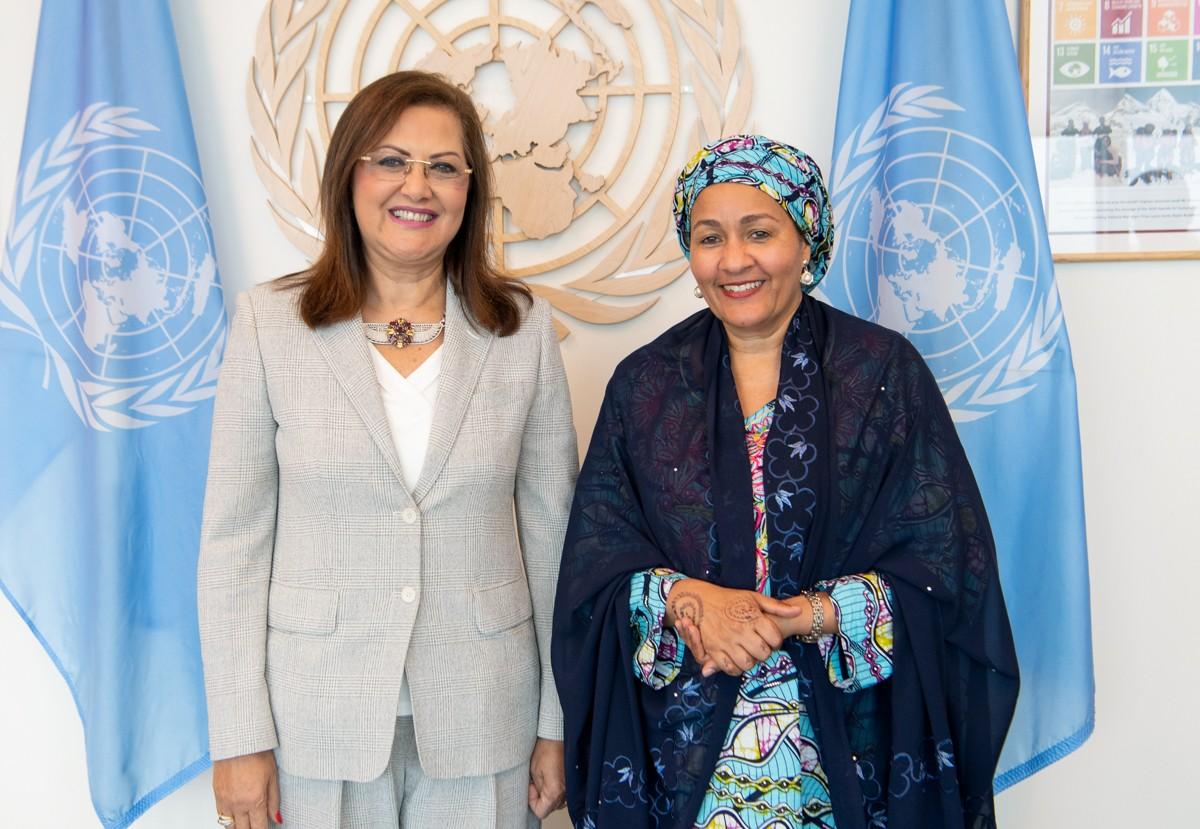
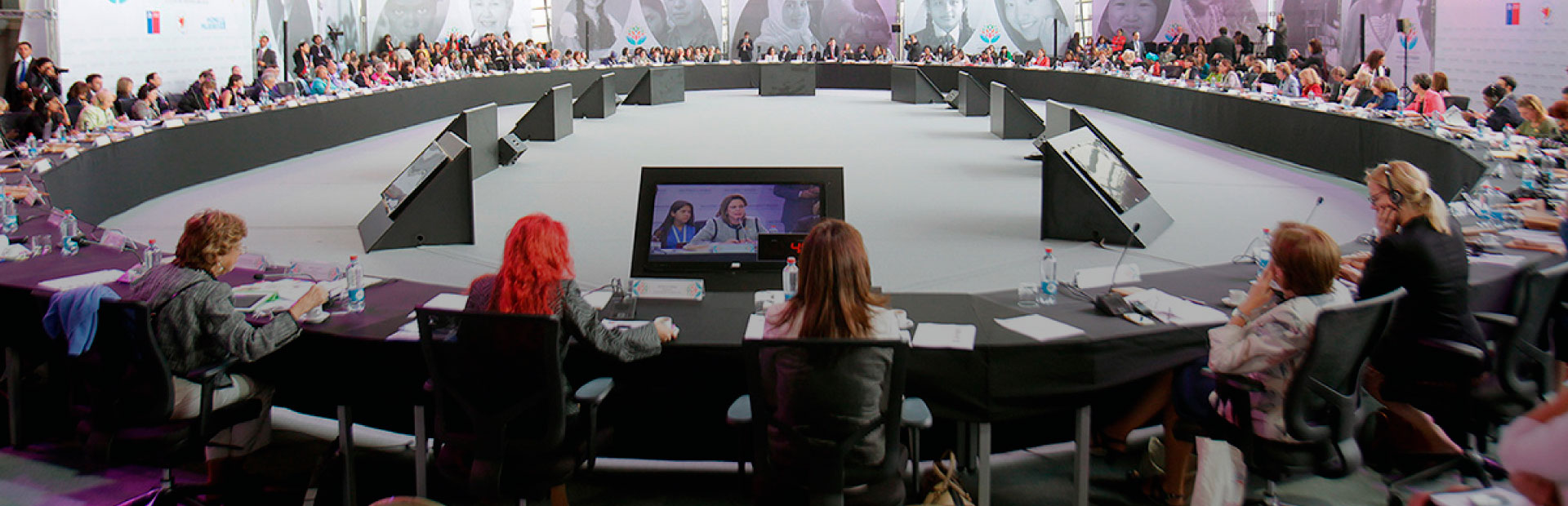
While there have been important advances in women’s leadership in politics, as of November 1 2017, women make up only 7.2% of Heads of State and 6.2% Heads of Government. Data on women representatives in local government, including as mayors, heads of villages and towns, is not well collected and analyzed. The adoption of an SDG indicator on women’s representation in local government is a great step forward in tracking progress on gender balance, allowing for the systematic collection and analysis of data on women in local government. Women’s access to and continued role in leadership positions is challenged by a range of barriers, including discriminatory laws and practices, as well as social norms that prescribe traditional roles and attitudes towards women’s participation in leadership and decision-making roles. Proactive gender-equality policies within political parties and local government structures, including quotas and special temporary measures, gender-sensitive approaches to electoral processes, support networks, mentoring, training, and engagement of male champions, can all help promote women’s role in political leadership.
Interviews
2019 Parliamentary Elections in Moldova - Gender perspective
The infographics are produced by the Central Electoral Commission of Moldova, with the support of “Enhancing democracy in Moldova through inclusive and transparent elections” Project, implemented by the United Nations Development Programme (UNDP Mold
Pursuing equality in rights and representation – Women’s experiences running for parliament in Lebanon’s 2018 elections
In late 2018 and early 2019 UN Women interviewed 87 per cent of the women who ran for Parliamentary election (75 of the 86 women; of the 113 women who registered to run, 86 made it on to candidate lists).
Amid attempts to transform the political system, feminists are looking for 50% representation in any new government.
It would appear that women in Israel have broken through the glass ceiling.
You might think that with more women entering politics the media would have become less likely to report on the appearance, fashion choices and relationship status of female prime ministers.
Other nations have been putting women in charge. Where’s the U.S.?
By Rachel Vogelstein and Alexandra Bro,
The Serbian Parliament has announced an amendment to its electoral laws with a new minimum quota of 40 per cent of candidates on electoral lists for parliamentary and local elections from the less-represented gender.
It has long been seen as one of the flukes of American political history: For three decades after the American Revolution, the women of New Jersey had equal voting rights with men.
Pagination
- Previous page
- Page 144
- Next page