Women's Leadership

While there have been important advances in women’s leadership in politics, as of November 1 2017, women make up only 7.2% of Heads of State and 6.2% Heads of Government. Data on women representatives in local government, including as mayors, heads of villages and towns, is not well collected and analyzed. The adoption of an SDG indicator on women’s representation in local government is a great step forward in tracking progress on gender balance, allowing for the systematic collection and analysis of data on women in local government. Women’s access to and continued role in leadership positions is challenged by a range of barriers, including discriminatory laws and practices, as well as social norms that prescribe traditional roles and attitudes towards women’s participation in leadership and decision-making roles. Proactive gender-equality policies within political parties and local government structures, including quotas and special temporary measures, gender-sensitive approaches to electoral processes, support networks, mentoring, training, and engagement of male champions, can all help promote women’s role in political leadership. 

Show on Home Page
Yes
Image
Icon
Banner Image
March 31, 2020
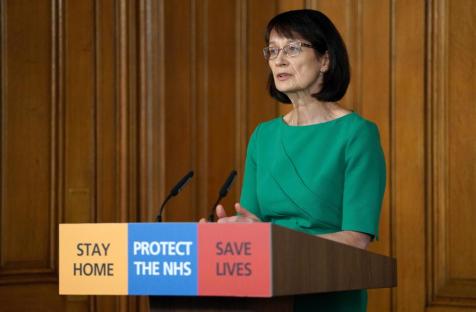
The voice of women leaders is critical today more than ever

Strong leadership is recognized as a collective effort, with the best decisions drawing on cognitive diversity and success builds on success.
March 31, 2020
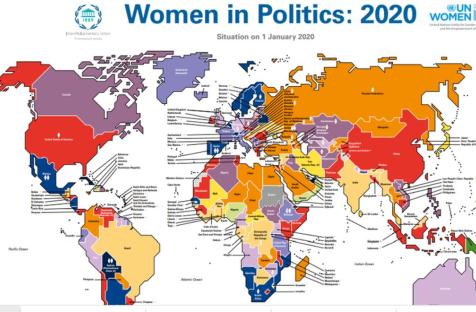
Women in Politics 2020 Map: Turkey Ranks 122nd

According to the “Women in Politics 2020” Map prepared by UN Women and IPU, Turkey ranks 138th in the category of women in ministerial positions while it ranks 122nd in the category of women in parliament, marking a degrade of two rankings.

March 31, 2020
Why gender matters in the impact and recovery from Covid-19

The Covid-19 outbreak has revealed the strengths and weaknesses in our collective global and national capacities to respond to this health emergency.

March 27, 2020
Numbers of women in parliament remain low in Caucasus and Central Asia

The presence of women in parliaments across the Caucasus and Central Asia has risen in the last 25 years, albeit slowly: in most countries in the region, between 15 and 25 percent of their MPs are women.