
March 27, 2020
How suffragists raced to secure women's right to vote ahead of the 1920 election
The year 1917 was highly consequential for the suffrage movement.
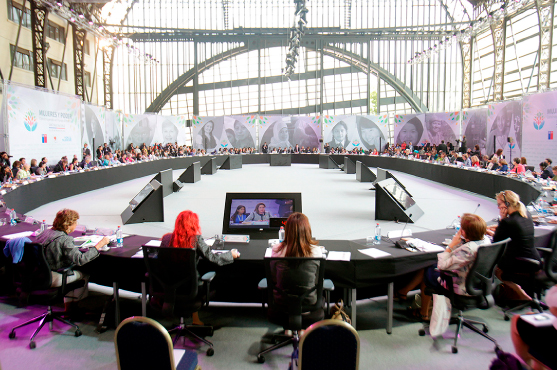
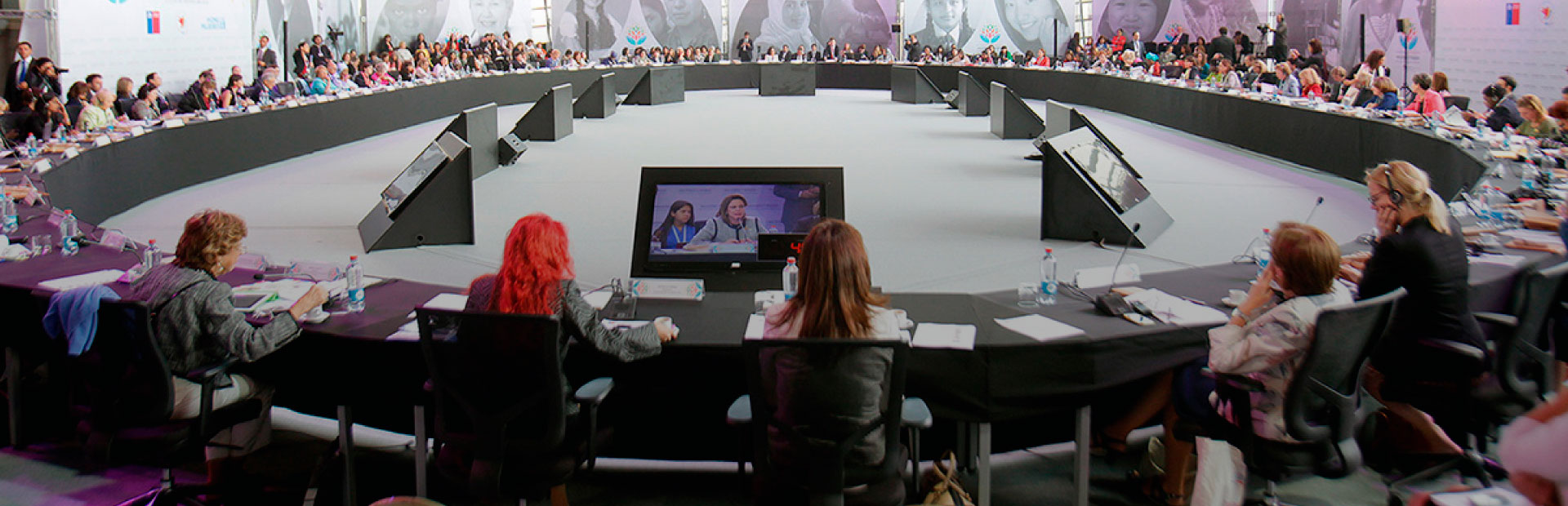
While there have been important advances in women’s leadership in politics, as of November 1 2017, women make up only 7.2% of Heads of State and 6.2% Heads of Government. Data on women representatives in local government, including as mayors, heads of villages and towns, is not well collected and analyzed. The adoption of an SDG indicator on women’s representation in local government is a great step forward in tracking progress on gender balance, allowing for the systematic collection and analysis of data on women in local government. Women’s access to and continued role in leadership positions is challenged by a range of barriers, including discriminatory laws and practices, as well as social norms that prescribe traditional roles and attitudes towards women’s participation in leadership and decision-making roles. Proactive gender-equality policies within political parties and local government structures, including quotas and special temporary measures, gender-sensitive approaches to electoral processes, support networks, mentoring, training, and engagement of male champions, can all help promote women’s role in political leadership.

The year 1917 was highly consequential for the suffrage movement.
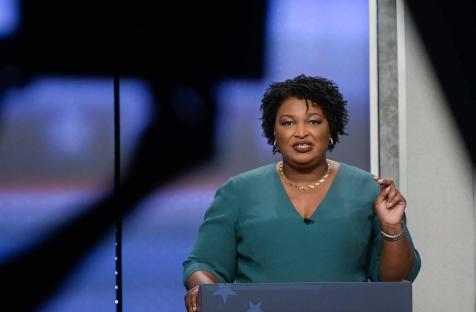
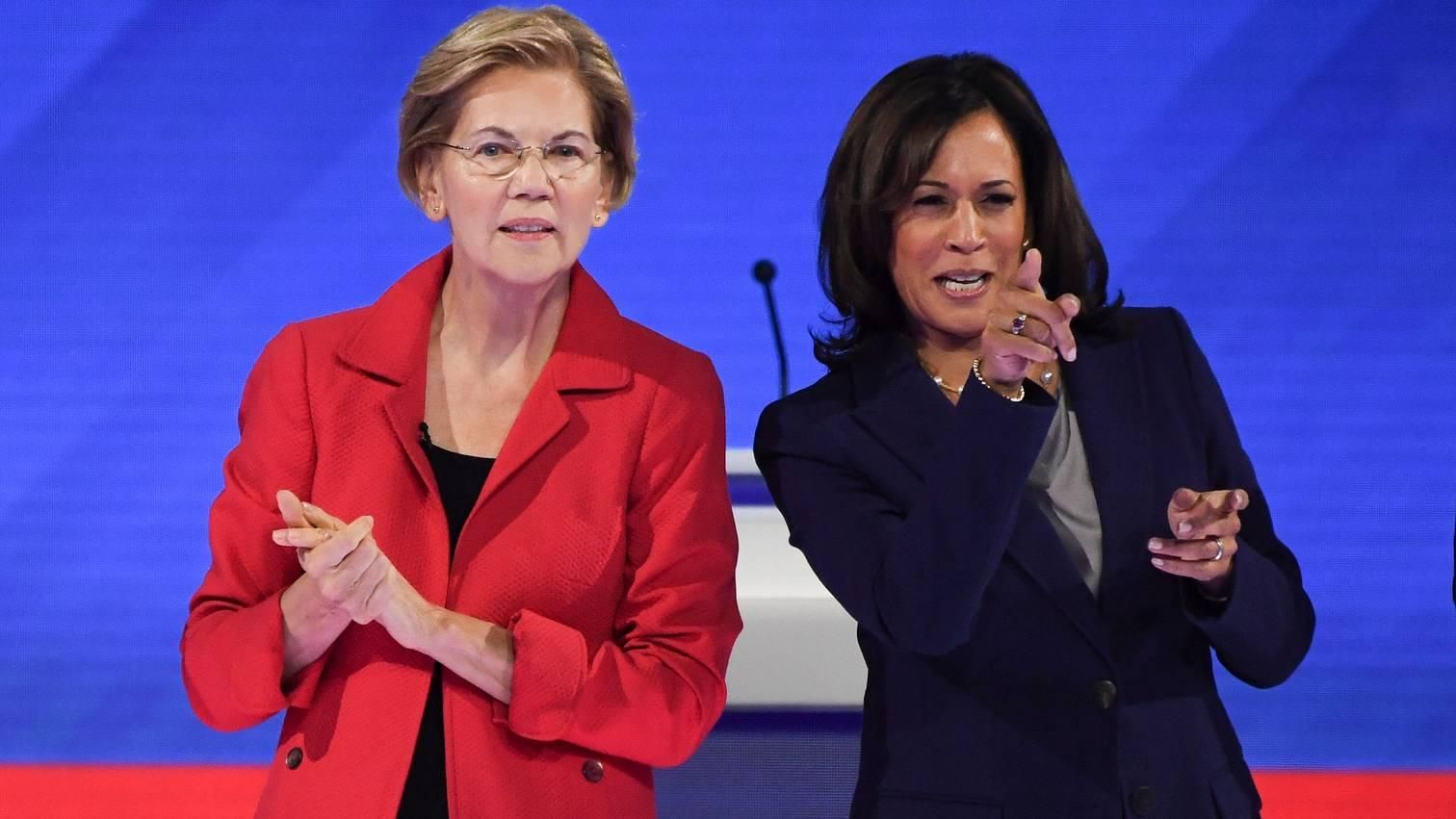
Hours after the Massachusetts senator Elizabeth Warren ended her presidential campaign and all but assured the next American president would be a white man in his 70s, a group of influential Democratic women gathered for dinner at a Spanish restauran

This year’s report looks back at 25 years of women in parliament on the occasion of the 25th anniversary of the Beijing conference and its groundbreaking action plan for gender equality.
By Erin Loos Cutraro,
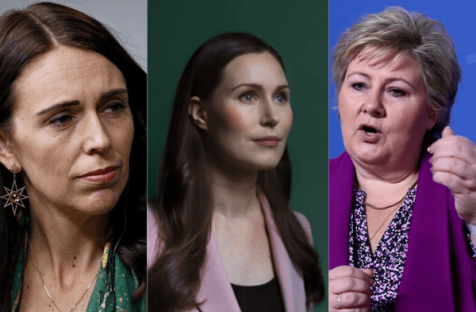
Across the world, more than ever people are looking for strong, inspiring leadership. Three incredible Prime Ministers are demonstrating particularly heartening excellent resolve during this pandemic. Oh, and they just happen to be women.

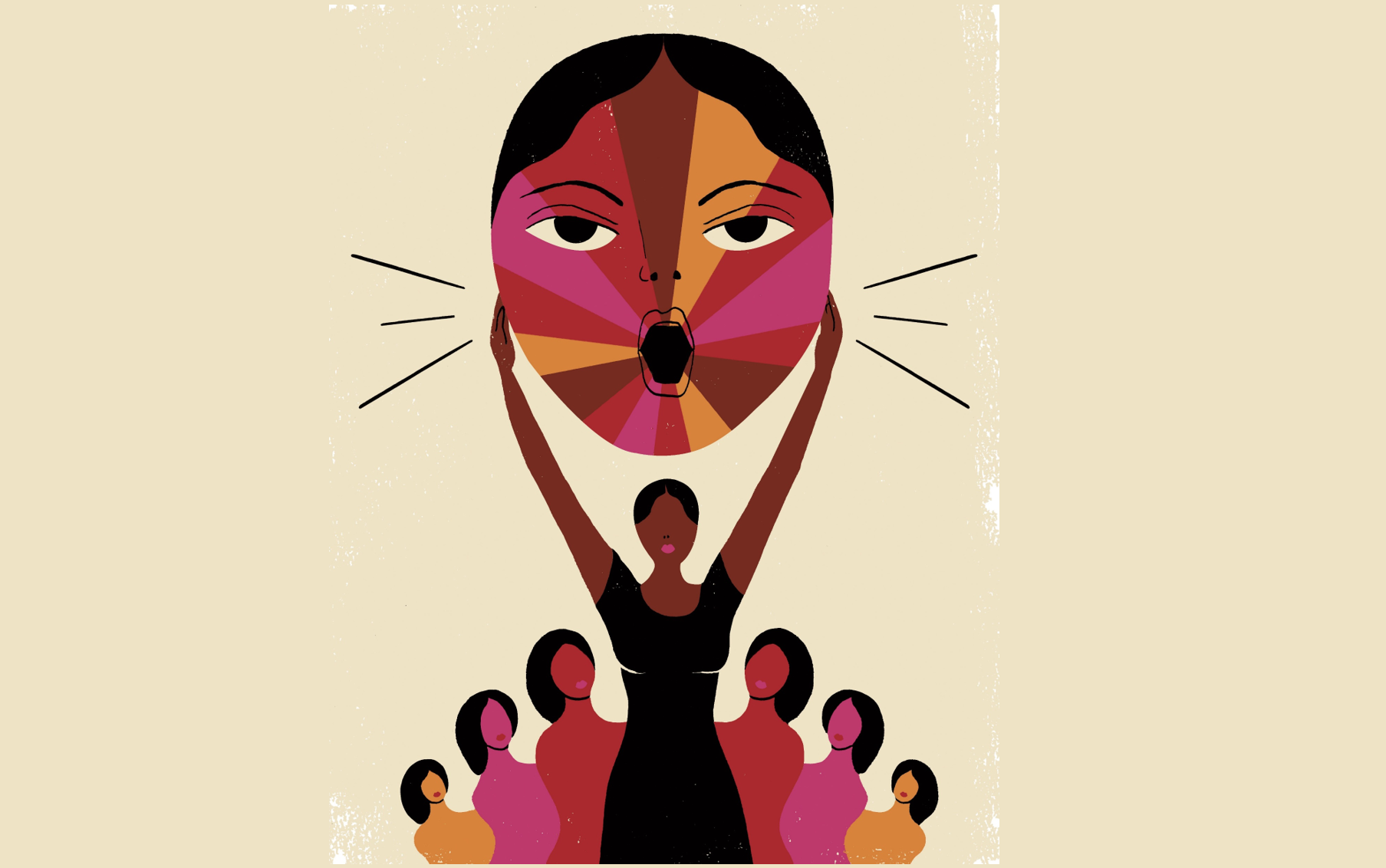
Violence against women in politics involves a broad range of harms to attack and undermine women as political actors. Its central motivation is to exclude women as a group from public life.
By Leila Billing,
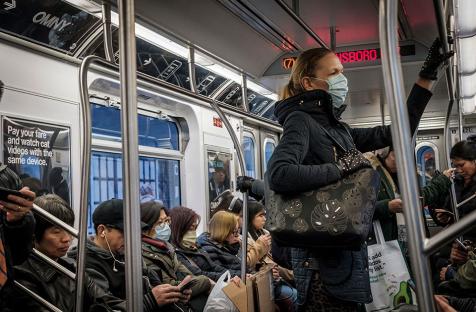
A week since The World Health Organization (WHO) declared COVID-19 as a pandemic and robust measures around the world attempt to contain its spread, social impact of the Novel Coronavirus is hitting women hard.
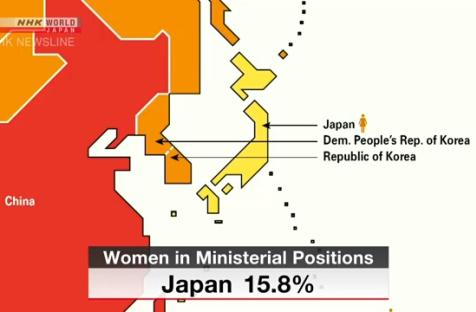
An international survey has ranked Japan 113th of 190 countries for the percentage of women in ministerial positions. It is the lowest among the Group of Seven industrialized countries.