July 15, 2025
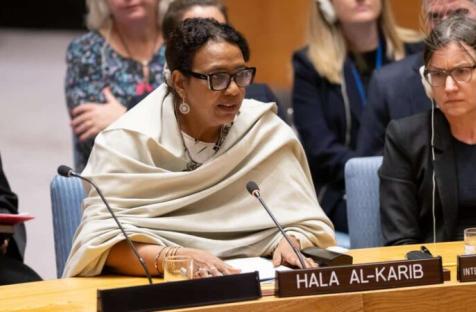
‘We are not just imagining power; we are claiming it’: Women at the forefront of change in the Horn of Africa
By Clarisse Sih and Bibbi Abruzzini
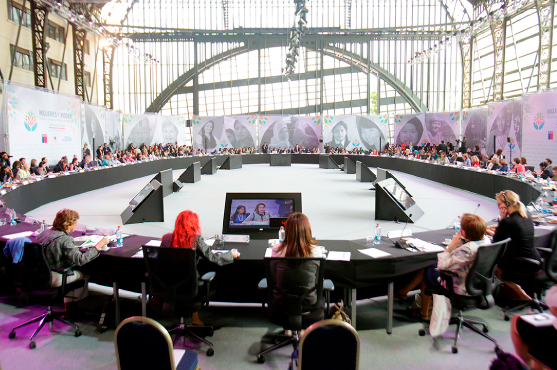
While there have been important advances in women’s leadership in politics, as of November 1 2017, women make up only 7.2% of Heads of State and 6.2% Heads of Government. Data on women representatives in local government, including as mayors, heads of villages and towns, is not well collected and analyzed. The adoption of an SDG indicator on women’s representation in local government is a great step forward in tracking progress on gender balance, allowing for the systematic collection and analysis of data on women in local government. Women’s access to and continued role in leadership positions is challenged by a range of barriers, including discriminatory laws and practices, as well as social norms that prescribe traditional roles and attitudes towards women’s participation in leadership and decision-making roles. Proactive gender-equality policies within political parties and local government structures, including quotas and special temporary measures, gender-sensitive approaches to electoral processes, support networks, mentoring, training, and engagement of male champions, can all help promote women’s role in political leadership.

By Clarisse Sih and Bibbi Abruzzini
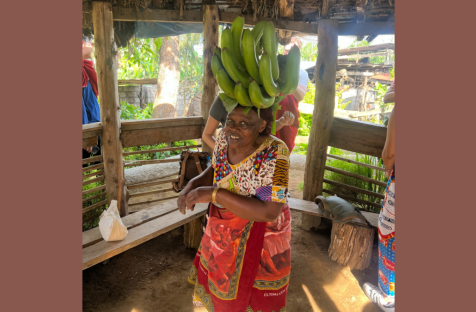
High on the slopes of Mount Meru, in Tanzania’s
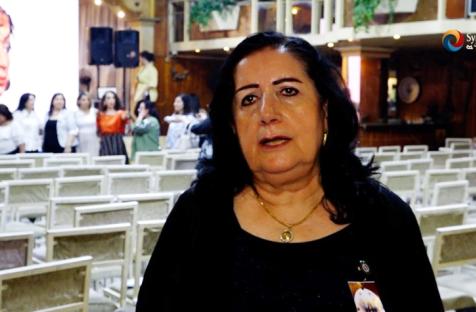
GIESSEN, Germany / BETH NAHRIN — On the sidelines of the Syriac Women’s Conference held last Saturday simultaneously in Beth Zalin (Qamishli), North and East Syria; Ankawa, Kurdist
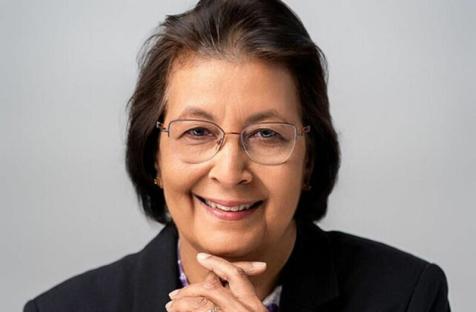
“You will work hard.” That was the promise former medical doctor Jennifer Geerlings-Simons made during her presidential election campa
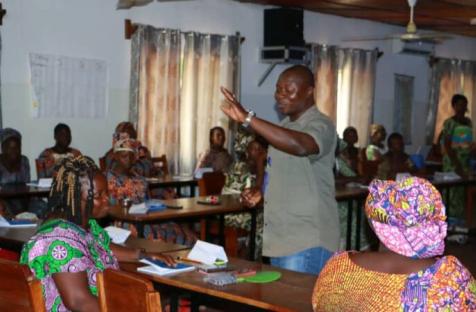
In Togo’s rural communities, women bear much of the family responsibilities. However, they remain committed to their communities’ development despite the socio-cultural pressures.
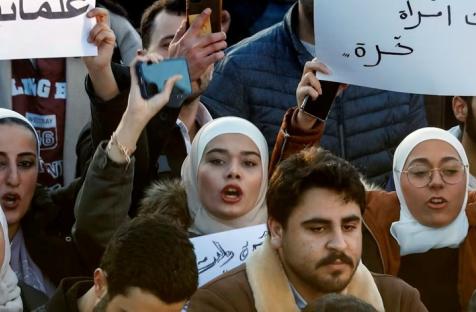
The end of the oppressive Assad regime in Syria in late 2024 has been broadly welcomed on the global stage – underscored by the fact the United States and Eu

The First Lady, Oluremi Tinubu, has said that allocating special seats to women in state and federal parliaments is not an act of charity but a way of strengthening the country’s democracy.

Just four years ago, a woman in Afghanistan could technically decide to run for President, attend university, or play sports.