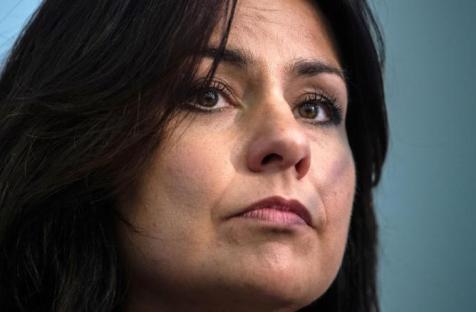
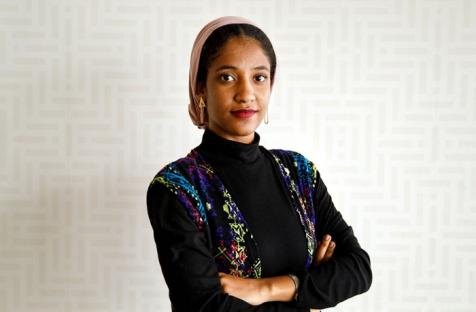
Members of Portugal's new parliament took up office on Friday, among them the country's first black women lawmakers who campaigned on promises to fight racism and inequality.
While there have been important advances in women’s leadership in politics, as of November 1 2017, women make up only 7.2% of Heads of State and 6.2% Heads of Government. Data on women representatives in local government, including as mayors, heads of villages and towns, is not well collected and analyzed. The adoption of an SDG indicator on women’s representation in local government is a great step forward in tracking progress on gender balance, allowing for the systematic collection and analysis of data on women in local government. Women’s access to and continued role in leadership positions is challenged by a range of barriers, including discriminatory laws and practices, as well as social norms that prescribe traditional roles and attitudes towards women’s participation in leadership and decision-making roles. Proactive gender-equality policies within political parties and local government structures, including quotas and special temporary measures, gender-sensitive approaches to electoral processes, support networks, mentoring, training, and engagement of male champions, can all help promote women’s role in political leadership.
Members of Portugal's new parliament took up office on Friday, among them the country's first black women lawmakers who campaigned on promises to fight racism and inequality.
The Ethiopian Chapter of the African Women Leaders Network (AWLN) is launched on Monday at an event attended by United Nations Deputy Secretary-General Amina J. Mohammed, President of Ethiopia, Sahle-Work Zewde.'
A persistent finding in public opinion research is that men, on average, tend to express more interest in politics than women.
As Myanmar’s historic reform process continues to evolve, more women are needed in leadership roles of all kinds, including in parliaments.
International IDEA organized the Inter-Regional Roundtable on the Intersections between Gender and Political Finance in Brussels on 16-17 October 2019.
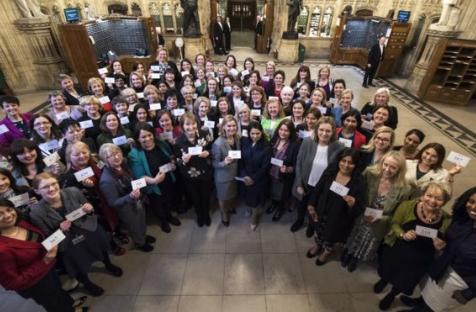
Monday’s federal election saw a new record – the most female Members of Parliament elected to the House of Commons.
Mumilaaq Qaqqaq, 25, was the youngest candidate running for federal MP in any of the three territories.
Early Tuesday morning, she became one of the youngest MPs in the country.
Women parliamentarians and other leaders in politics, on Sunday, discussed how people generally are less likely to recognise leadership qualities in women and stressed on the urgency to break this gender gap with female journalists, in Kathmandu.