May 16, 2019
2019 election: Why politics is toxic for Australia’s women
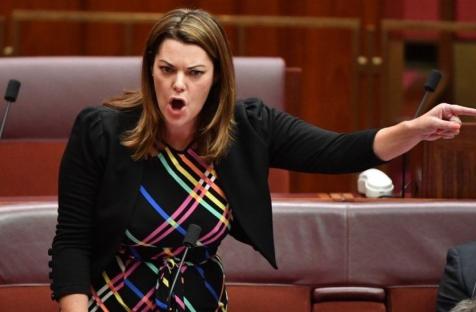
Australian women in politics have had enough.
While there have been important advances in women’s leadership in politics, as of November 1 2017, women make up only 7.2% of Heads of State and 6.2% Heads of Government. Data on women representatives in local government, including as mayors, heads of villages and towns, is not well collected and analyzed. The adoption of an SDG indicator on women’s representation in local government is a great step forward in tracking progress on gender balance, allowing for the systematic collection and analysis of data on women in local government. Women’s access to and continued role in leadership positions is challenged by a range of barriers, including discriminatory laws and practices, as well as social norms that prescribe traditional roles and attitudes towards women’s participation in leadership and decision-making roles. Proactive gender-equality policies within political parties and local government structures, including quotas and special temporary measures, gender-sensitive approaches to electoral processes, support networks, mentoring, training, and engagement of male champions, can all help promote women’s role in political leadership.

Australian women in politics have had enough.

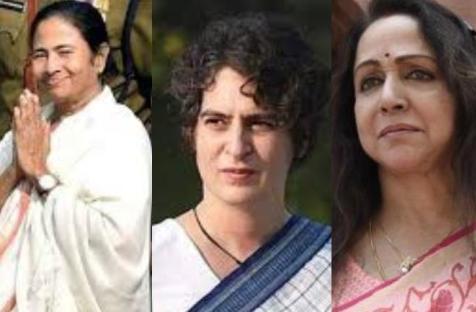
Women politicians have made it to the top headlines this poll season.
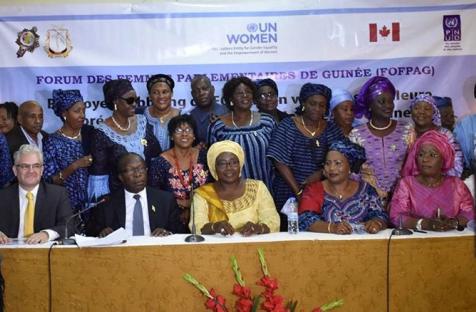
The Republic of Guinea adopted on 2 May, a Law on Parity that says women must make fifty per cent of the candidate lists for elective positions.
By Ruth Igielnik and Kim Parker,

By Ruth Igielnik and Kim Parker,
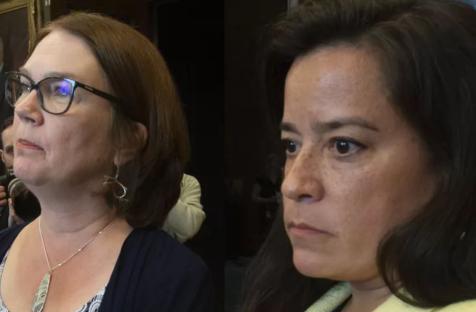
Despite Canada’s self-proclaimed feminist prime minister and gender parity in the federal cabinet, Canada falls wel
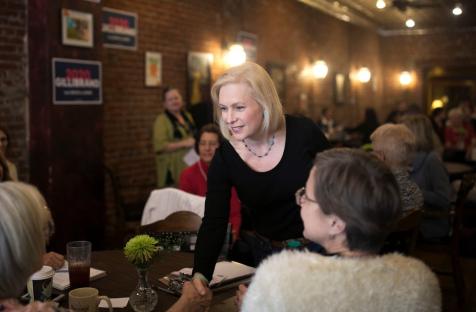
RESTON, Iowa — Senator Kirsten Gillibrand of New York had a request: Before anyone mocked her claim that she was the Democratic presidential candidate best positioned to take on President Trump, at least listen to the evidence.
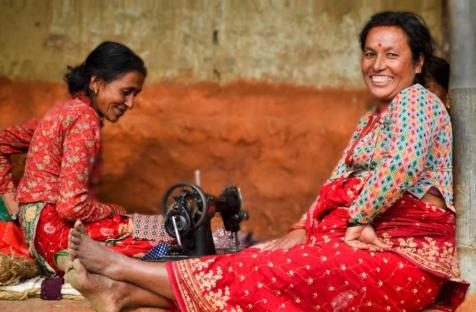
Nepal’s constitution mandates that women hold at least 33% of seats in the national parliament and provincial assemblies, and at least 40% in local governments.
Legal experts have voiced fears that gender quota proposals aimed at increasing female participation in Parliament are nothing but a “smokescreen” to introduce political party funding by the State “by stealth”.