August 14, 2026
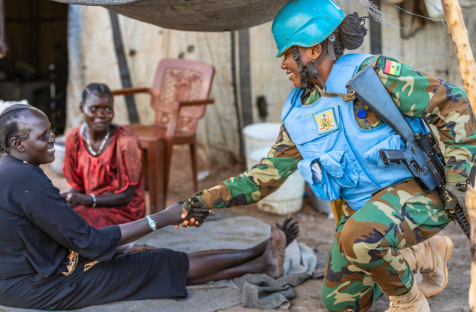
Women bring vital experience to African peacekeeping missions
While there have been important advances in women’s leadership in politics, as of November 1 2017, women make up only 7.2% of Heads of State and 6.2% Heads of Government. Data on women representatives in local government, including as mayors, heads of villages and towns, is not well collected and analyzed. The adoption of an SDG indicator on women’s representation in local government is a great step forward in tracking progress on gender balance, allowing for the systematic collection and analysis of data on women in local government. Women’s access to and continued role in leadership positions is challenged by a range of barriers, including discriminatory laws and practices, as well as social norms that prescribe traditional roles and attitudes towards women’s participation in leadership and decision-making roles. Proactive gender-equality policies within political parties and local government structures, including quotas and special temporary measures, gender-sensitive approaches to electoral processes, support networks, mentoring, training, and engagement of male champions, can all help promote women’s role in political leadership.
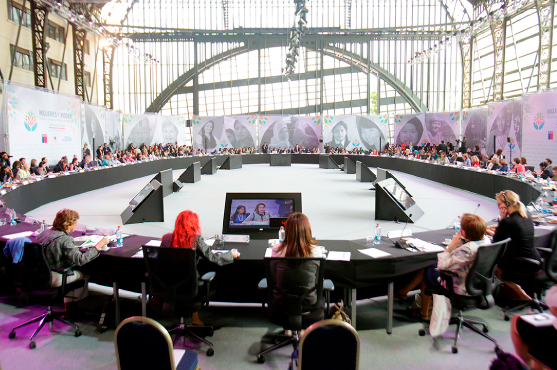

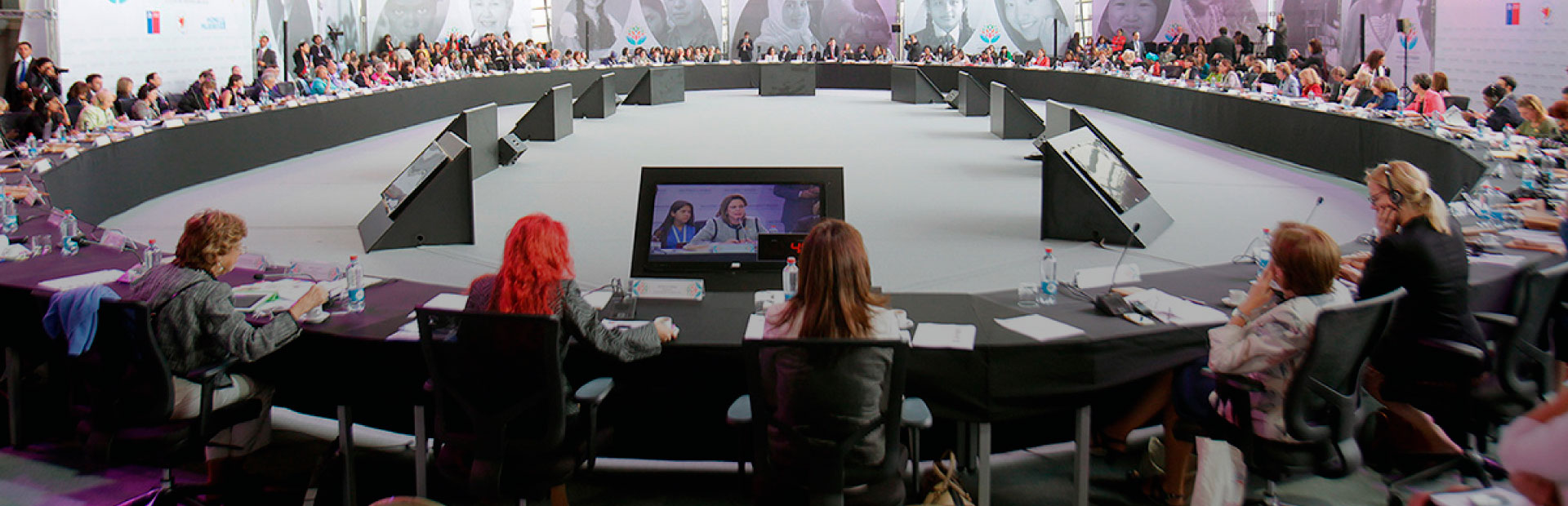
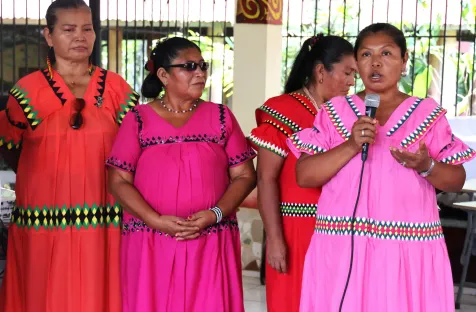
Democracy cannot be measured solely by the right to vote. It must also be measured by who participates in decision-making, who has access to spaces of power, and what obstacles continue to prevent certain voices from being heard.
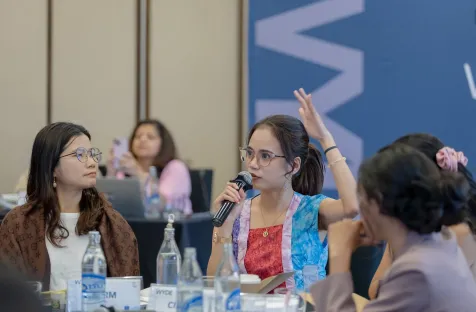
Two extraordinary young Indigenous women recently participated in the Young Women Empowerment Academy organised by International IDEA for emerging women leaders across Southeast Asia.
Advancing women’s political participation needs to go beyond legal and policy reforms.
Advancing women’s political participation needs to go beyond legal and policy reforms.
Invisible barriers: How social norms keep women out of leadership roles
Invisible barriers: How social norms keep women out of leadership roles
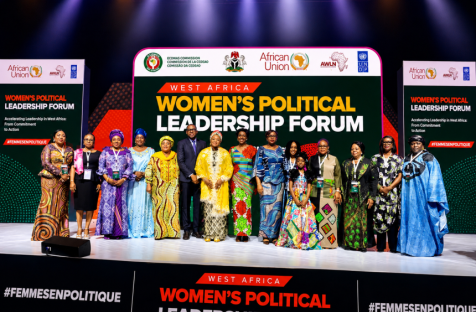
The Economic Community of West African States (ECOWA
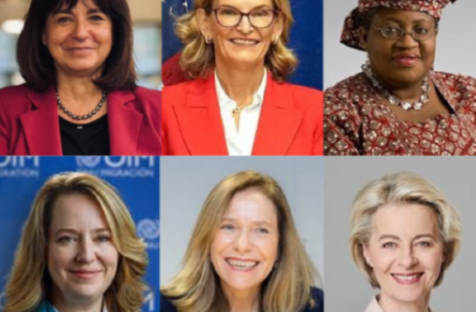
From 1 July 2026, for the first time in its 137-year history, the Secretariat of the Inter-Parliamentary Union will be managed by a woman.
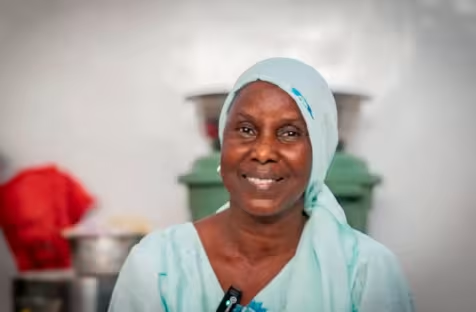
The Badienou Gokh – which means, “community godmothers” or “neighbourhood mentors” – occupy a unique place in Senegalese communities.
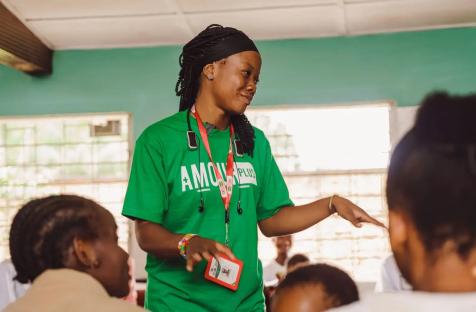
As 2026 began, amid proliferating armed conflicts and the escalating climate crisis around the world, more than 239 million people were identified as being in urgent need of humanitarian assistance and protection.