Women's Leadership

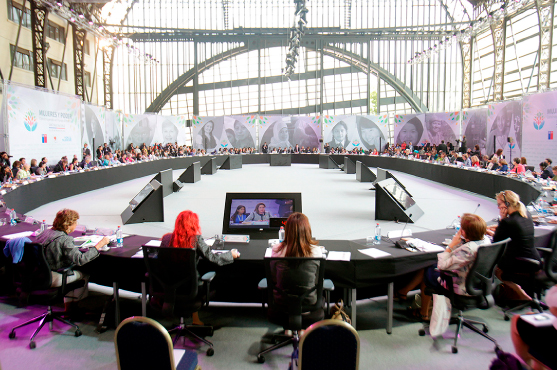
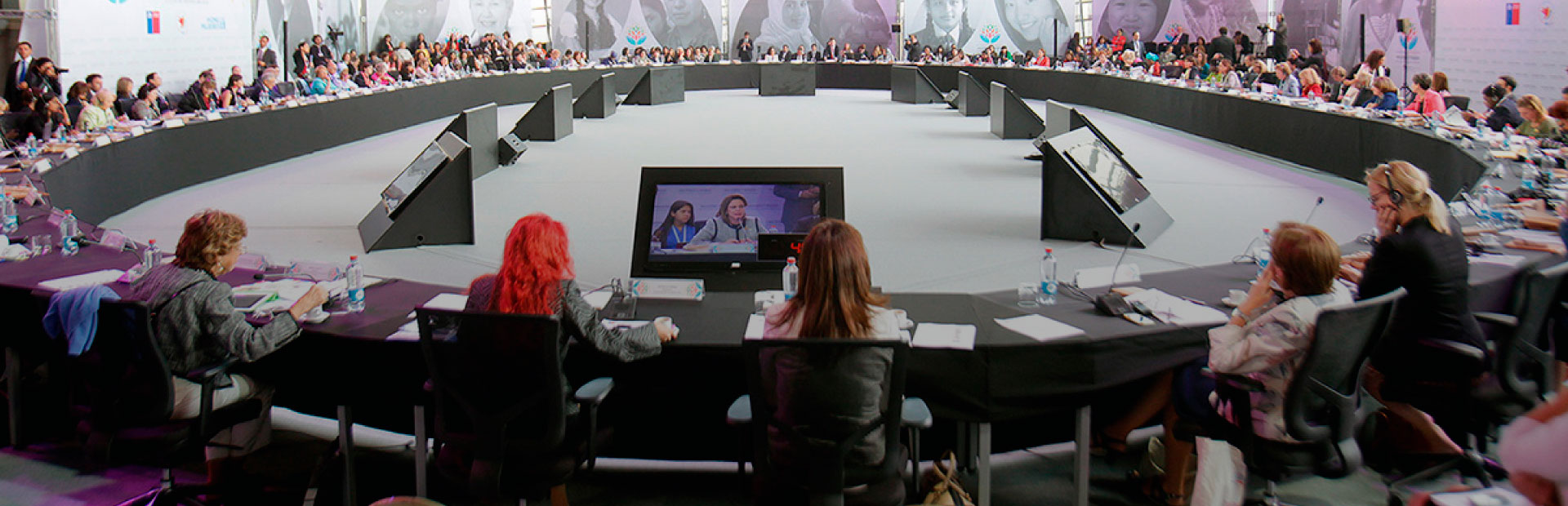
While there have been important advances in women’s leadership in politics, as of November 1 2017, women make up only 7.2% of Heads of State and 6.2% Heads of Government. Data on women representatives in local government, including as mayors, heads of villages and towns, is not well collected and analyzed. The adoption of an SDG indicator on women’s representation in local government is a great step forward in tracking progress on gender balance, allowing for the systematic collection and analysis of data on women in local government. Women’s access to and continued role in leadership positions is challenged by a range of barriers, including discriminatory laws and practices, as well as social norms that prescribe traditional roles and attitudes towards women’s participation in leadership and decision-making roles. Proactive gender-equality policies within political parties and local government structures, including quotas and special temporary measures, gender-sensitive approaches to electoral processes, support networks, mentoring, training, and engagement of male champions, can all help promote women’s role in political leadership. 

Show on Home Page
Yes
Image
Icon
Banner Image
April 10, 2019
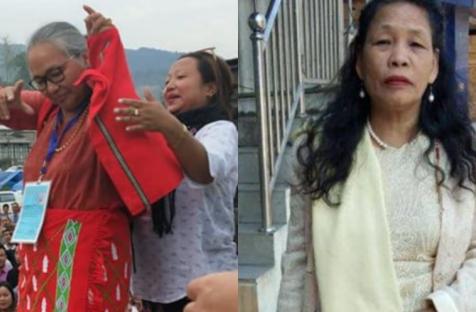
In a first, two women are contesting Lok Sabha polls from Mizoram, Arunachal

Lalthlamauni or Jarjum Ete win or not, they have already made history by being the first women in the two states – which both have more women voters than men – to contest a Lok Sabha election.

April 9, 2019
‘Inspiring’ protester becomes symbol of resistance for Sudanese women

The image is striking: a young woman, alone, standing above the crowd, urging them on with songs of revolution.

April 3, 2019
The gender gap at EU elections

Women across Europe don’t tend to vote as much in European elections, compared with men, posing questions on the growing gender gap in both politics and representation in the European Parliament.