We too: At gathering of nations, women’s voices ring loud

By Angela Charlton,
While there have been important advances in women’s leadership in politics, as of November 1 2017, women make up only 7.2% of Heads of State and 6.2% Heads of Government. Data on women representatives in local government, including as mayors, heads of villages and towns, is not well collected and analyzed. The adoption of an SDG indicator on women’s representation in local government is a great step forward in tracking progress on gender balance, allowing for the systematic collection and analysis of data on women in local government. Women’s access to and continued role in leadership positions is challenged by a range of barriers, including discriminatory laws and practices, as well as social norms that prescribe traditional roles and attitudes towards women’s participation in leadership and decision-making roles. Proactive gender-equality policies within political parties and local government structures, including quotas and special temporary measures, gender-sensitive approaches to electoral processes, support networks, mentoring, training, and engagement of male champions, can all help promote women’s role in political leadership.
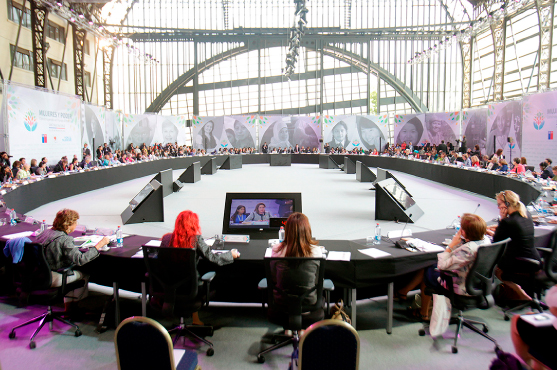

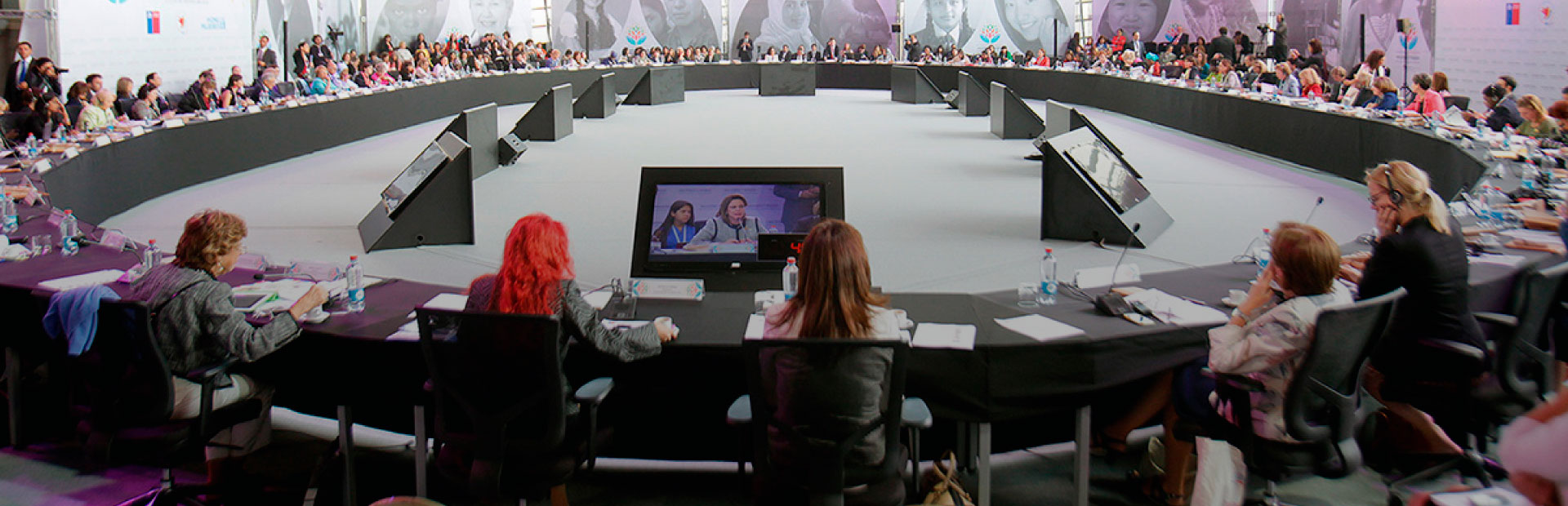
By Angela Charlton,

By H. Patricia,
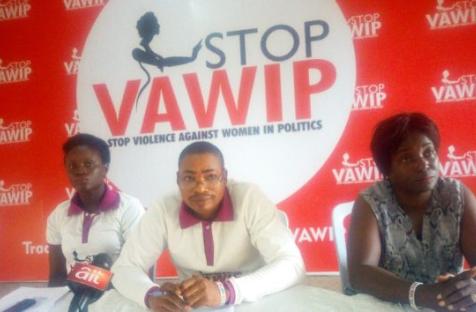
The Executive Director of Hope for Family Development Initiative(HFDI), Mr Aremu Stephen has called for an end to violence against women in politics.

By Rebecca Traister,
What the testimony of Christine Blasey Ford and Brett Kavanaugh showed us about who gets to be angry in public.

By Donna Brazile, Yolanda Caraway, Leah Daughtry and Minyon Moore, political activists and co-authors of "For Colored Girls Who Have Considered Politics," coming Oct. 2.
UN Women, the Office of the High Commissioner on Human Rights (OHCHR), and the UN Special Rapporteur on violence against women, its causes and consequences (Special Rapporteur), in collaboration with the Inter-Parliamentary Union (IPU) and the Nation

Young women are entering political institutions at high rates; however, this does not translate into the number of women candidates, elected officials, or in senior leadership within political institutions.

The Gender-Responsive Assembly Toolkit is intended for all actors that drive change within organizations, including Director-/Secretary-Generals, Secretariats, Member States, civil society and staff.
