August 27, 2018
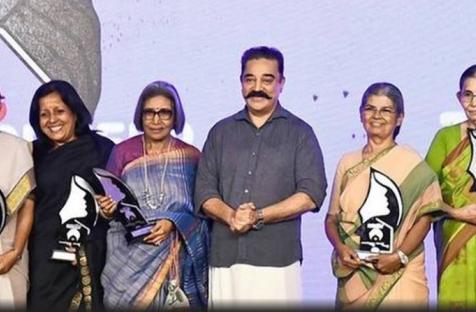
India: Want more women in politics, says Kamal
Actor and politician Kamal Haasan on Sunday encouraged more women to join politics.
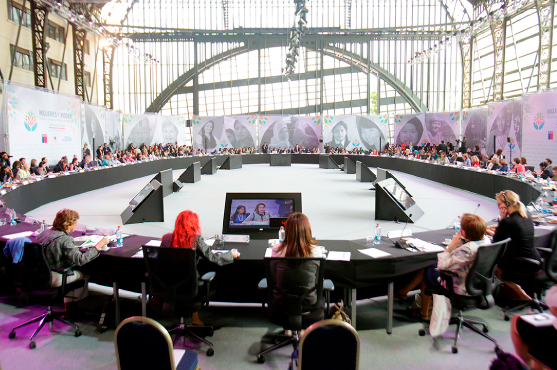
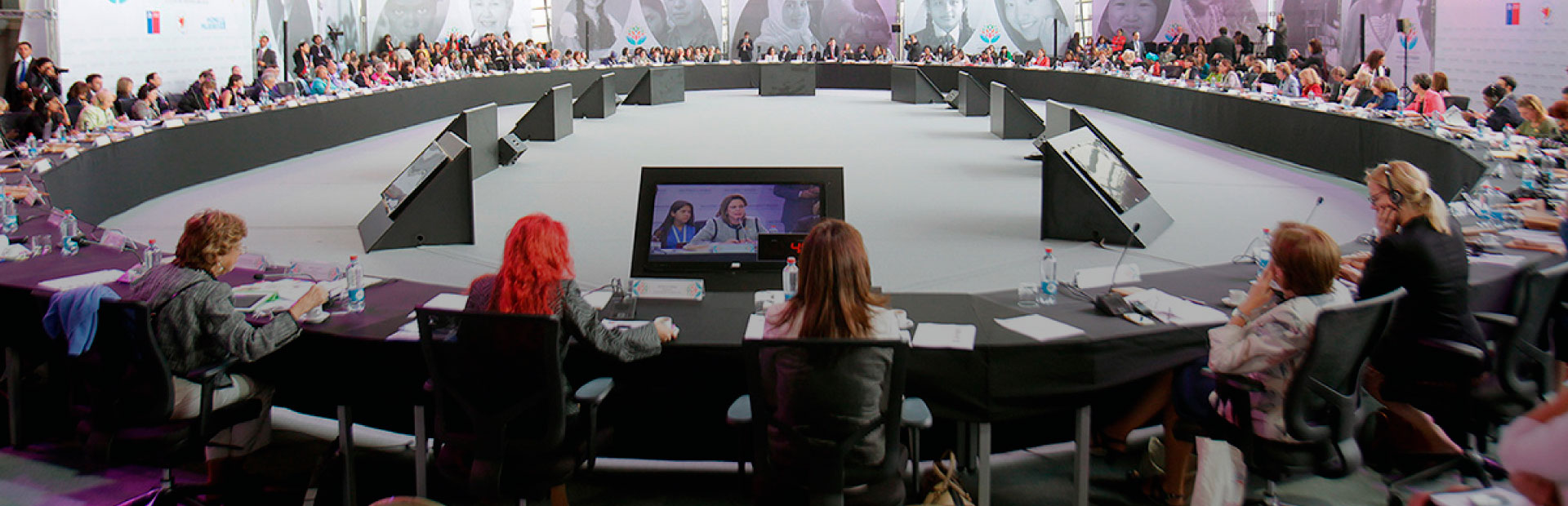
While there have been important advances in women’s leadership in politics, as of November 1 2017, women make up only 7.2% of Heads of State and 6.2% Heads of Government. Data on women representatives in local government, including as mayors, heads of villages and towns, is not well collected and analyzed. The adoption of an SDG indicator on women’s representation in local government is a great step forward in tracking progress on gender balance, allowing for the systematic collection and analysis of data on women in local government. Women’s access to and continued role in leadership positions is challenged by a range of barriers, including discriminatory laws and practices, as well as social norms that prescribe traditional roles and attitudes towards women’s participation in leadership and decision-making roles. Proactive gender-equality policies within political parties and local government structures, including quotas and special temporary measures, gender-sensitive approaches to electoral processes, support networks, mentoring, training, and engagement of male champions, can all help promote women’s role in political leadership.

Actor and politician Kamal Haasan on Sunday encouraged more women to join politics.
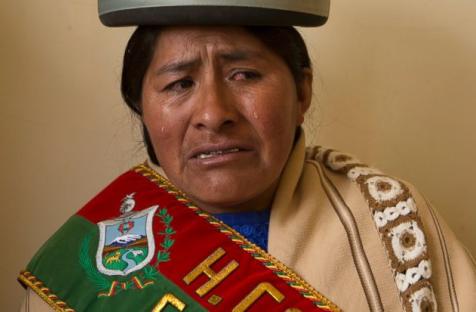
By Paola Flores, Associated Press
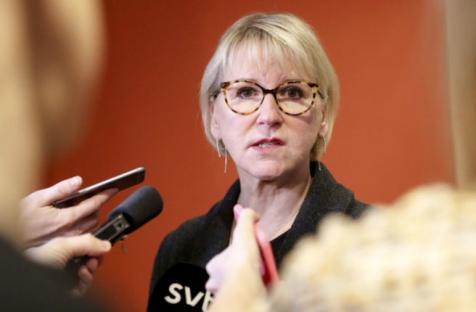
Sweden’s Ministry of Foreign Affairs released a Feminist Foreign Policy handbook outlining guidelines on how to define women’s rights and make policy around them.
By Josephine Agbonkhese Poised to halt the slide in their political fortune ahead of the 2019 general elections, women politicians from various political affiliations in states across the country recently launched a coalition, the Women in Politics I

By Josephine Agbonkhese Poised to halt the slide in their political fortune ahead of the 2019 general elections, women politicians from various political affiliations in states across the country recently launched a coalition, the Women in Politics I
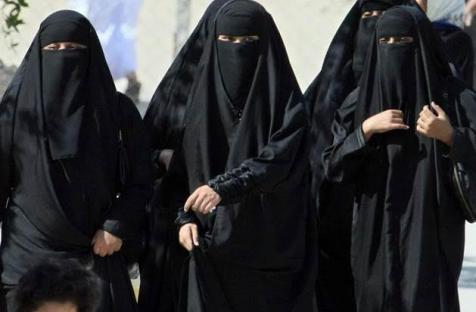
Human rights activists are campaigning to save the life of the first woman in Saudi Arabia to be sentenced to death over her political activism.
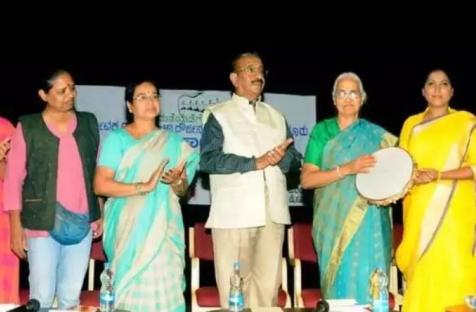
Mysuru: Pointing out that representation of women in India was worse than that of Pakistana and Nepal, retired professor of political science at the University of Mysore (UoM) Prof.
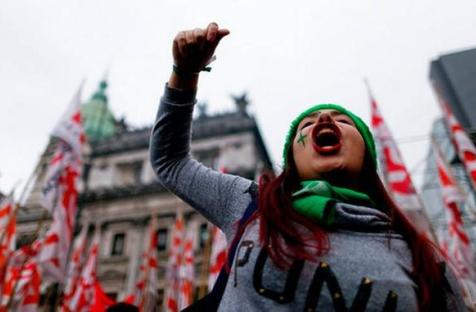
Last week, the new President of Colombia, Iván Duque, swore in his vice president, Marta Lucía Ramírez.
She is Colombia’s first female vice president.
By Maya Salam,
By Maya Salam,
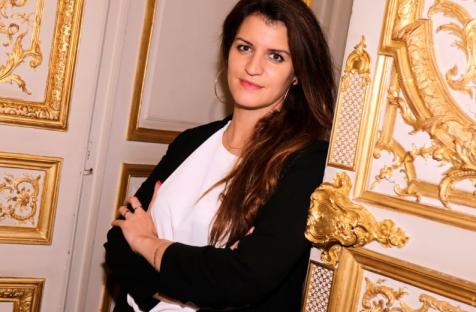
The first time a man stopped Marlène Schiappa and said something obscene, she was 14 years old and walking down a street in Paris’ northern 19th arrondissement. Shocked, she rushed home to her apartment and told her family. They were unsurprised.