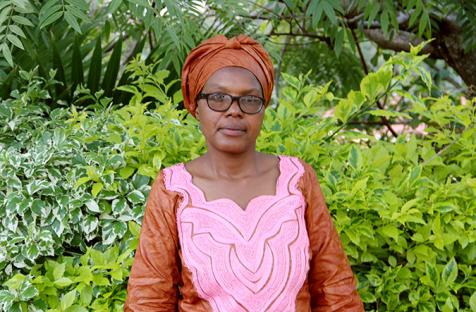
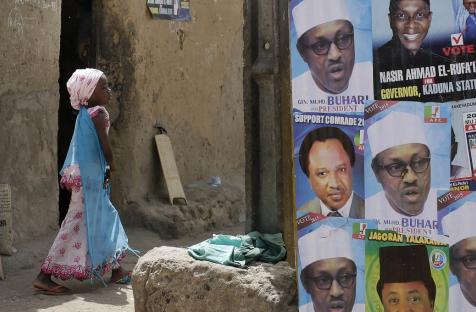
Daring to join the male-dominated world of Nigerian politics was a tough decision for Ladi Mamman Watila, particularly in the conservative north-eastern state of Borno.

While there have been important advances in women’s leadership in politics, as of November 1 2017, women make up only 7.2% of Heads of State and 6.2% Heads of Government. Data on women representatives in local government, including as mayors, heads of villages and towns, is not well collected and analyzed. The adoption of an SDG indicator on women’s representation in local government is a great step forward in tracking progress on gender balance, allowing for the systematic collection and analysis of data on women in local government. Women’s access to and continued role in leadership positions is challenged by a range of barriers, including discriminatory laws and practices, as well as social norms that prescribe traditional roles and attitudes towards women’s participation in leadership and decision-making roles. Proactive gender-equality policies within political parties and local government structures, including quotas and special temporary measures, gender-sensitive approaches to electoral processes, support networks, mentoring, training, and engagement of male champions, can all help promote women’s role in political leadership.
Daring to join the male-dominated world of Nigerian politics was a tough decision for Ladi Mamman Watila, particularly in the conservative north-eastern state of Borno.
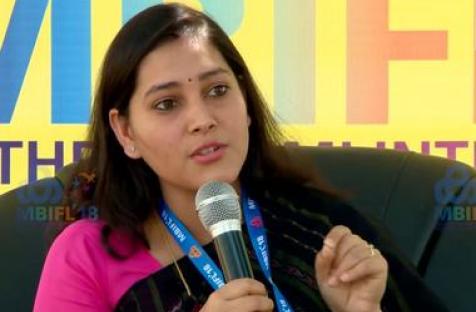
Despite progress, gender gap in leadership still persists, a new study has found.
Though women account for over 48 percent of India’s population, the number of female parliamentarians in the country is disproportionately low (12.5 percent).
Five years back something historic happened. The 2013 Rwandan Parliamentary elections ushered in a record-breaking 64 per cent of seats for women candidates, making Rwanda the top country for women in politics.
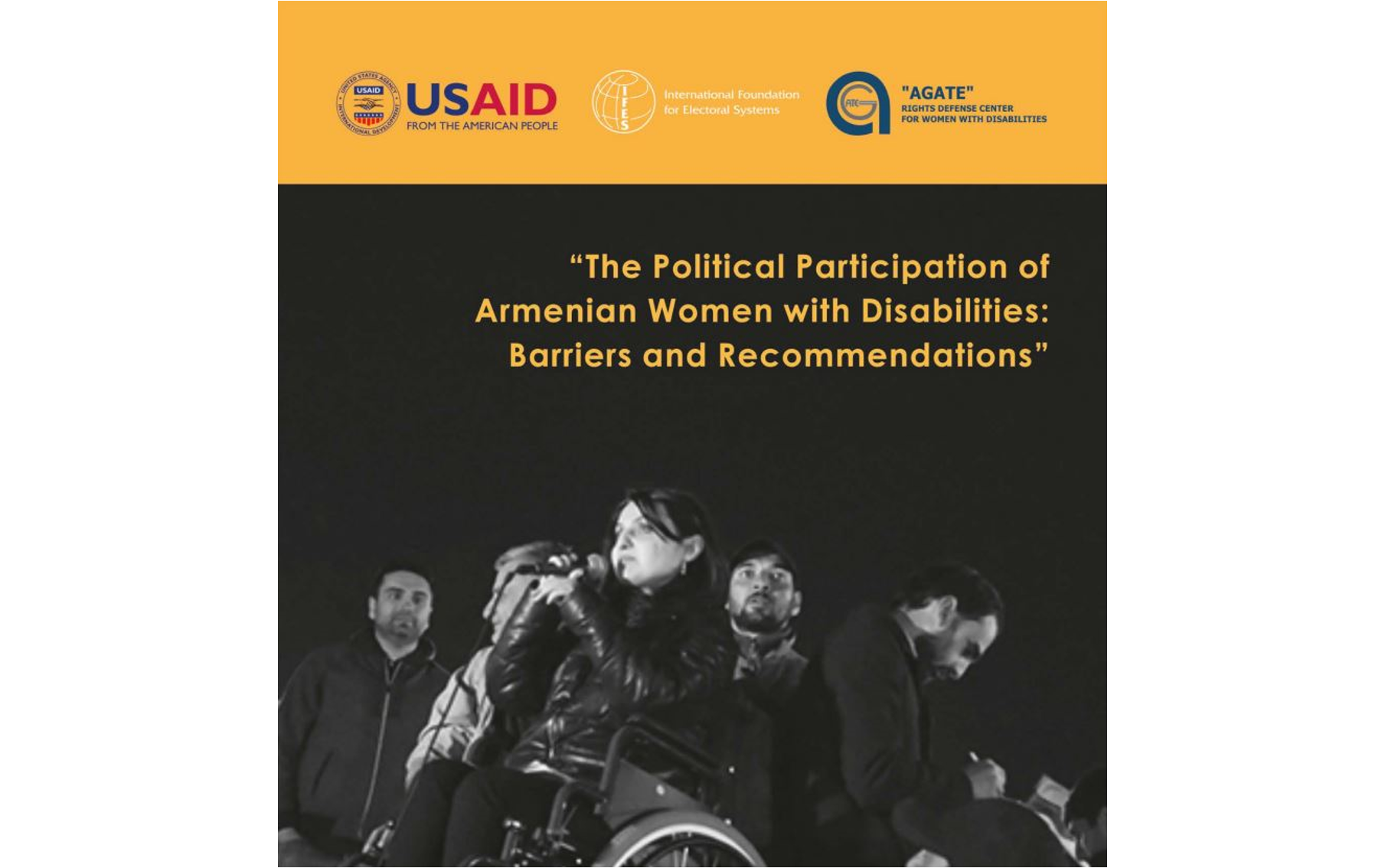
The Agate Rights Defense Center for Women with Disabilities, with the support of the International Foundation for Electoral Systems (IFES) and the United States Agency for International Development, has published new research on the barriers to and o
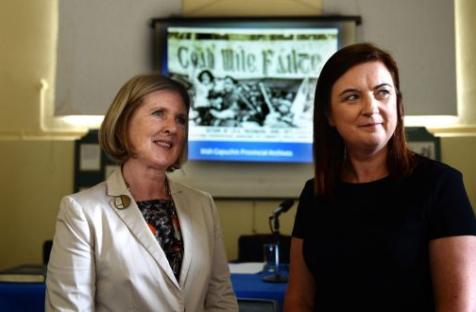
Gender quotas should be introduced next year for the local elections, the National Women’s Council of Ireland (NWCI) has said.
United Nations Secretary-General António Guterres has nominated Michelle Bachelet, a former president of Chile, to become the next UN high commissioner for human rights. The nomination has been sent to the General Assembly for approval.
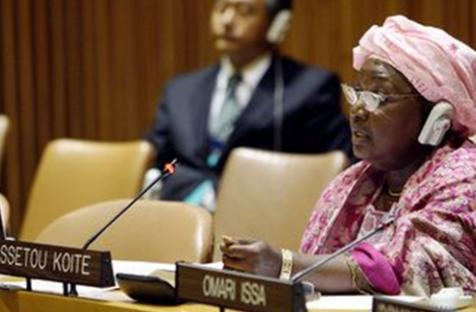
The president of the Pan African Women's Organisation (PAWO), Assetou Koite, says Africa must recognise and honour the contribution of women to the decolonisation of the continent and take action to advance gender equality.
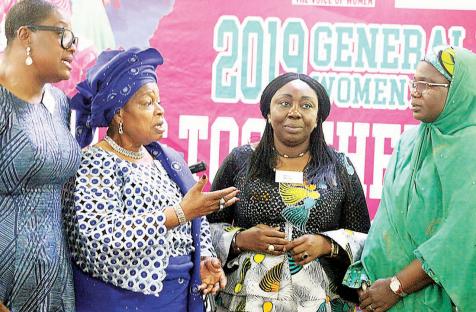
Scores of female contestants under the aegis of Women Aspirants Summit in Abuja mobilised for effective participation in politics as the 2019 general elections draw nearer.