Summary of the e-Discussion on Women’s Participation in Local Government

The e-Discussion on Women’s Political Representation and Participation at the local level was launched on 2 February 2018 in Arabic, English, French
While there have been important advances in women’s leadership in politics, as of November 1 2017, women make up only 7.2% of Heads of State and 6.2% Heads of Government. Data on women representatives in local government, including as mayors, heads of villages and towns, is not well collected and analyzed. The adoption of an SDG indicator on women’s representation in local government is a great step forward in tracking progress on gender balance, allowing for the systematic collection and analysis of data on women in local government. Women’s access to and continued role in leadership positions is challenged by a range of barriers, including discriminatory laws and practices, as well as social norms that prescribe traditional roles and attitudes towards women’s participation in leadership and decision-making roles. Proactive gender-equality policies within political parties and local government structures, including quotas and special temporary measures, gender-sensitive approaches to electoral processes, support networks, mentoring, training, and engagement of male champions, can all help promote women’s role in political leadership.
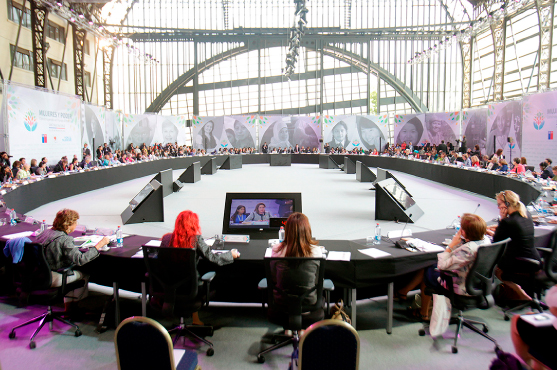

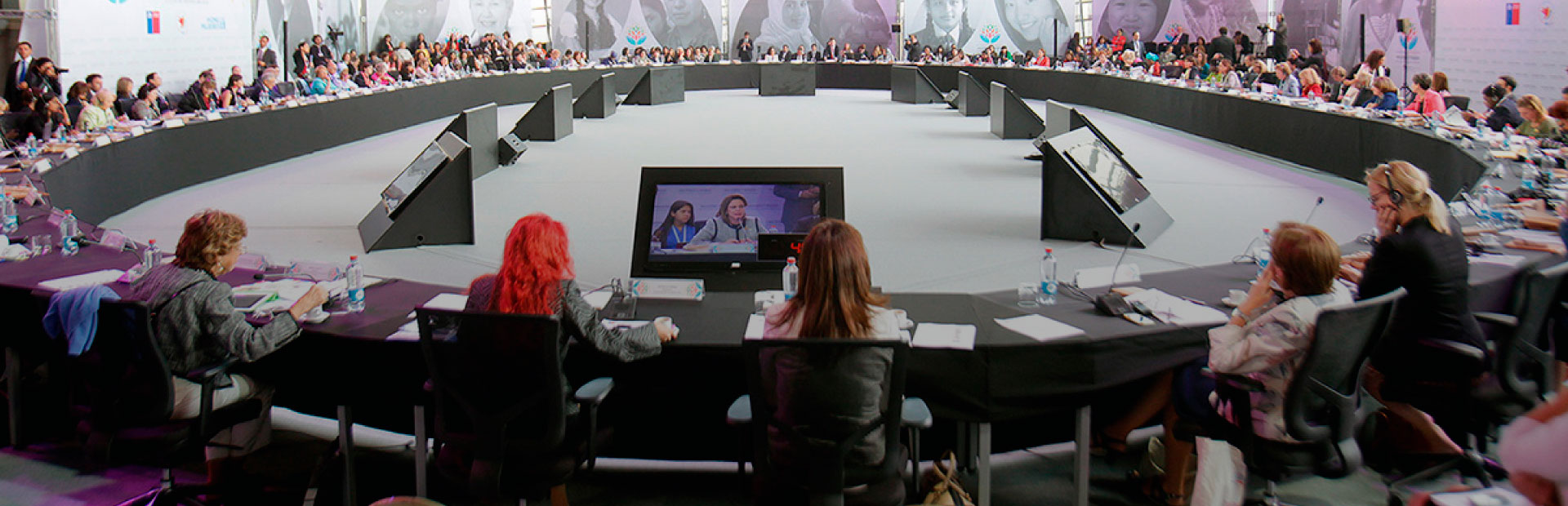
The e-Discussion on Women’s Political Representation and Participation at the local level was launched on 2 February 2018 in Arabic, English, French

By Carine Guidicelli and Betty-Ann Heggie

Phumzile Mlambo-Ngcuka, UN Under Secretary-General and Executive Director of UN Women, calls on Commonwealth countries to make democracy more democratic by ensuring that women can participate freely, fairly and safely in elections and politic

By Caroline Hubbard and Tim Shand
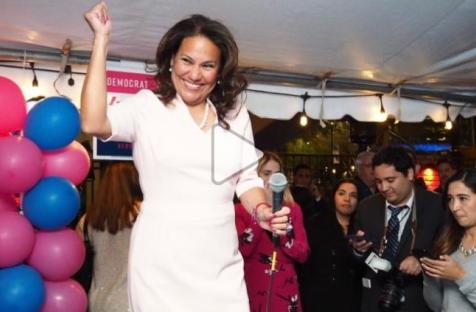
Progress is not inevitable. And it is rarely -- if ever -- complete. For women in American politics, each point of progress serves as a reminder of the progress we have yet to make toward equitable power and presence in government.
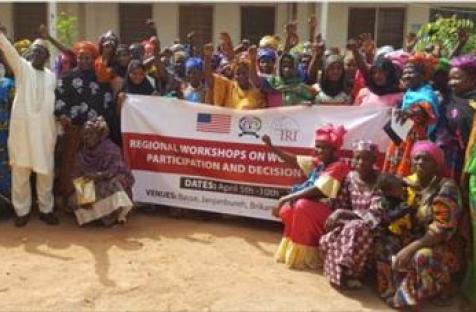
Rights advocacy organisation Beakanyang Kafo has trained and sensitised over one hundred women in the Upper and Central River Regions on the importance of political participation.

GIFU – Internal Affairs and Communications Minister Seiko Noda, a member of the ruling Liberal Democratic Party, on Sunday opened a political school in Gifu Prefecture to foster female politicians.

In a history-making election, Epsy Campbell became the first Afro-Latina vice president in Costa Rica, as well as the first black female vice president in Latin America.
“The film conveys how tough it is to break the remaining glass ceilings. May it motivate future generations of women to keep at it!”