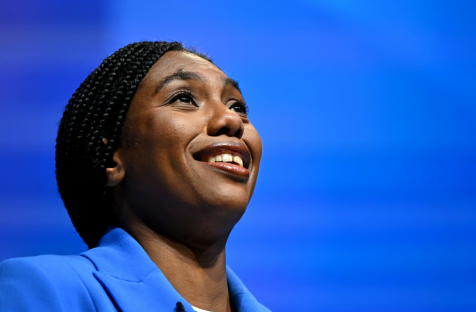
LONDON — Kemi Badenoch’s elevation as leader of Britain’s Conservatives is a historic moment in British politics — but you can expect the Tories to take it in their stride.
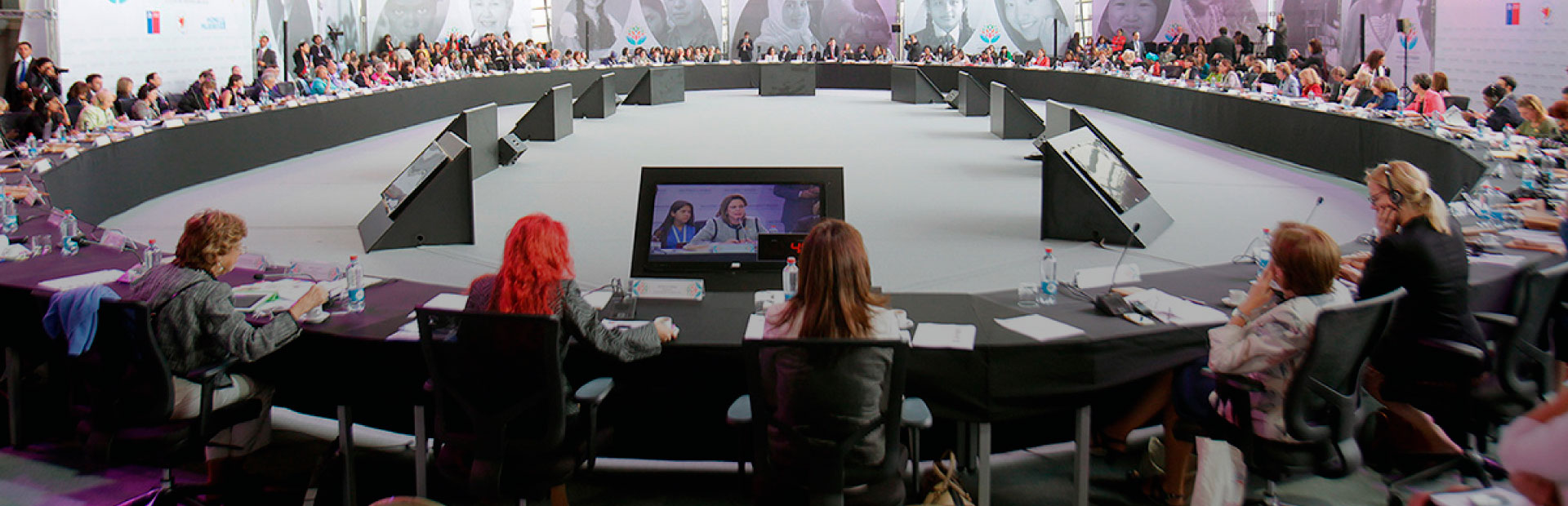
While there have been important advances in women’s leadership in politics, as of November 1 2017, women make up only 7.2% of Heads of State and 6.2% Heads of Government. Data on women representatives in local government, including as mayors, heads of villages and towns, is not well collected and analyzed. The adoption of an SDG indicator on women’s representation in local government is a great step forward in tracking progress on gender balance, allowing for the systematic collection and analysis of data on women in local government. Women’s access to and continued role in leadership positions is challenged by a range of barriers, including discriminatory laws and practices, as well as social norms that prescribe traditional roles and attitudes towards women’s participation in leadership and decision-making roles. Proactive gender-equality policies within political parties and local government structures, including quotas and special temporary measures, gender-sensitive approaches to electoral processes, support networks, mentoring, training, and engagement of male champions, can all help promote women’s role in political leadership.


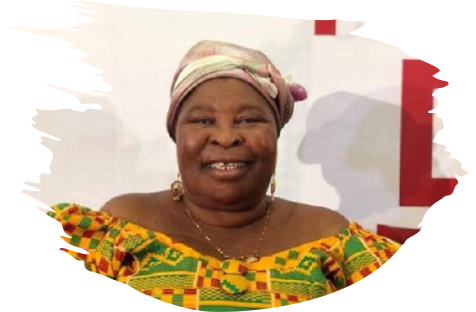
Some female politicians in Sunyani have described the late Akua Donkor, the leader and Election 2024 Flagbearer of the Great Freedom Party (GFP)
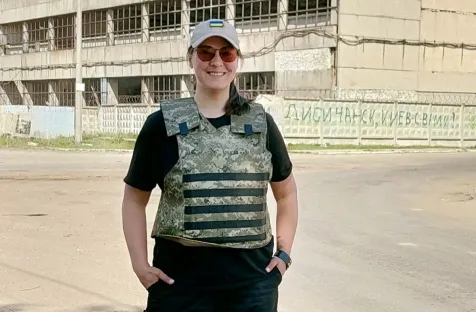
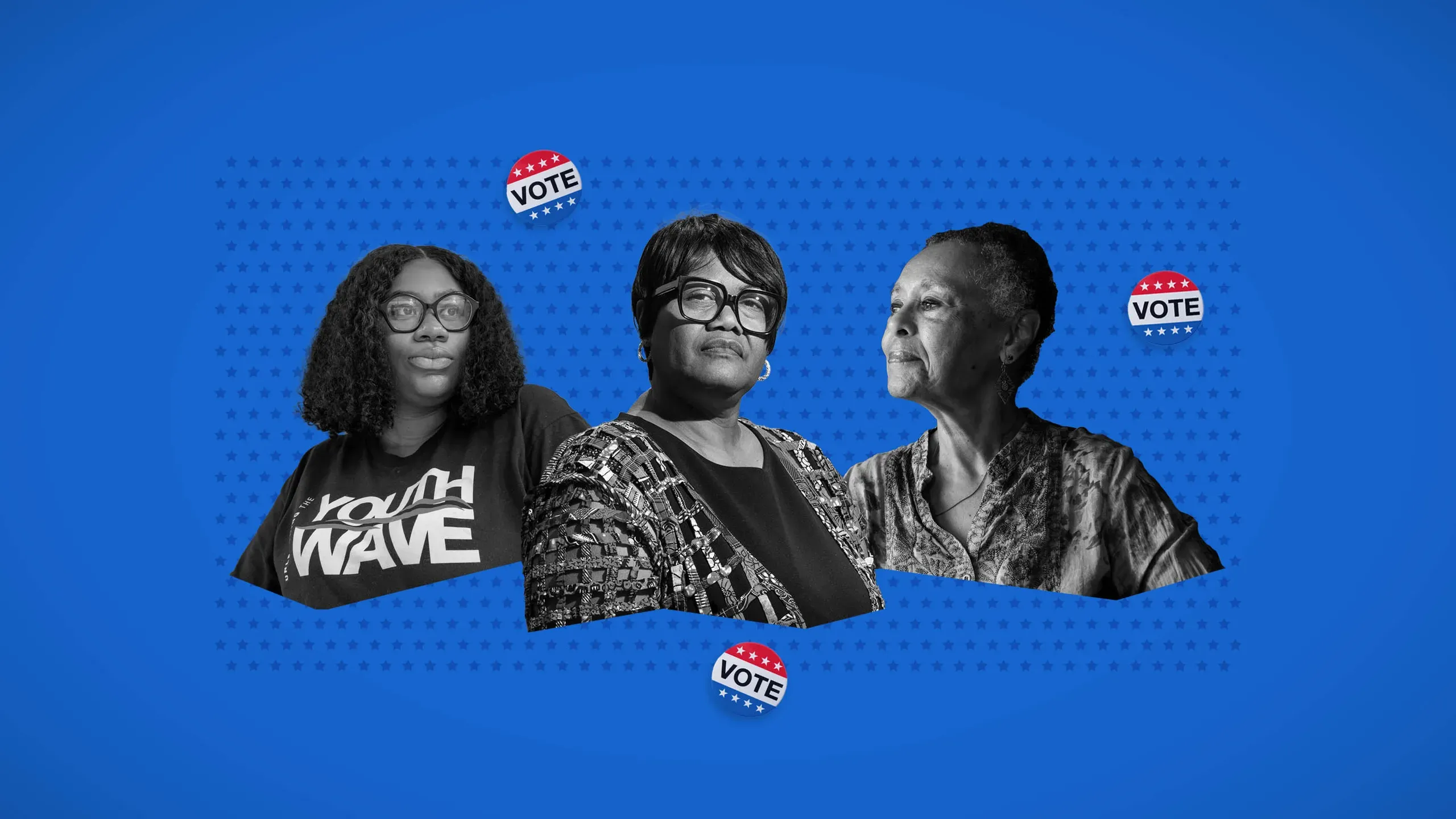
Black women have long played a key role in protecting voting rights and urging their communities to cast ballots. This three-part series highlights their work as they build political power and demand a seat at the table.

Over half of Arizona’s voters were women in 2020, according to a CNN exit poll.
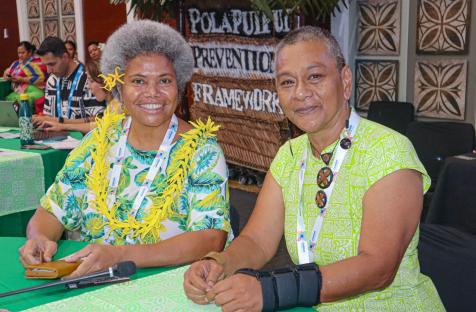
Assistant Foreign Affairs Minister Lenora Qereqeretabua said it is important for the Fiji government to be represented at the Commonwealth Heads of Government Meeting (CHOGM) 2024 Samoa.
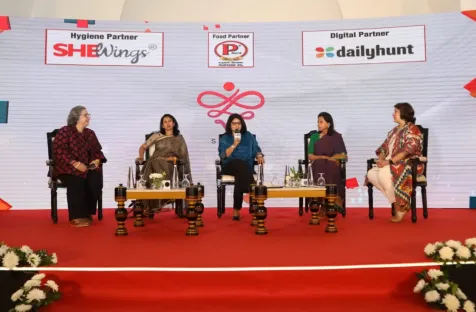
The We Women Want Festival And Awards by NewsX, was a power-packed session, featuring accomplished women from various fields, sharing their experiences and perspectives on empowerment.
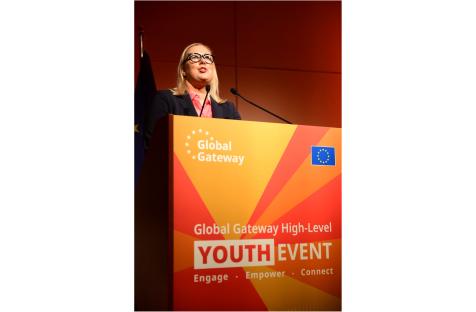

Distinguished Guests,
Dear friends,
It is an absolute pleasure to be here today with so many bright, passionate, young leaders and changemakers.
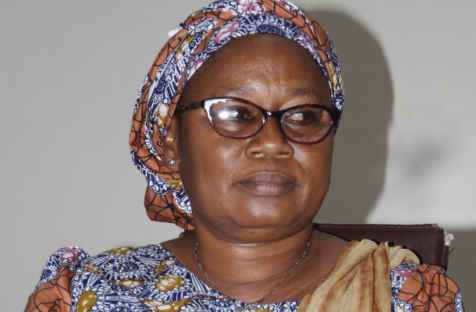
Adamawa State deputy governor, Professor Kaletapwa Farauta, has highlighted the growing need for female leadership to bring about significant change in Nigeria’s political landscape.