Women's Leadership
While there have been important advances in women’s leadership in politics, as of November 1 2017, women make up only 7.2% of Heads of State and 6.2% Heads of Government. Data on women representatives in local government, including as mayors, heads of villages and towns, is not well collected and analyzed. The adoption of an SDG indicator on women’s representation in local government is a great step forward in tracking progress on gender balance, allowing for the systematic collection and analysis of data on women in local government. Women’s access to and continued role in leadership positions is challenged by a range of barriers, including discriminatory laws and practices, as well as social norms that prescribe traditional roles and attitudes towards women’s participation in leadership and decision-making roles. Proactive gender-equality policies within political parties and local government structures, including quotas and special temporary measures, gender-sensitive approaches to electoral processes, support networks, mentoring, training, and engagement of male champions, can all help promote women’s role in political leadership.
Close to 200 women are set to contest this year's Federal National Council elections — more than double the number who took part when the country last went to the polls.
Over 2.5 billion women and girls around the world are affected by discriminatory laws—law
Currently, Latin America is leading globally in local and parliamentary positions held by women. But the journey to political participation is fraught with rising violence and intimidation against women in politics.
Glynda C. Carr and Kimberly Peeler-Allen are cofounders of Higher Heights for America, a New York–based national organization that works to build political power for Black women.
The just-ended harmonised elections in Zimbabwe have revealed that very few women triumphed in their quest to represent the people in both the National Assembly and in local authorities.
In recent months, the developing nation of Somaliland has made a number of steps towards encouraging the active participation of women throughout its institutions. As the writer of the article below notes, newly-elected President Hon.
e-Discussions
Creating a work-life balance for women in politics
Over the last decade, iKNOW Politics has spoken with many women leaders around the world about the challenges they face in political life. Women interviewed often speak openly about the difficulties of combining a political career with family responsibilities, and in particular, the frequent travel required to meet with constituents or attend parliamentary sessions and committee meetings, usually held away from the family home, in the capital.
Increasing Women’s Political Participation Through Effective Training Programs
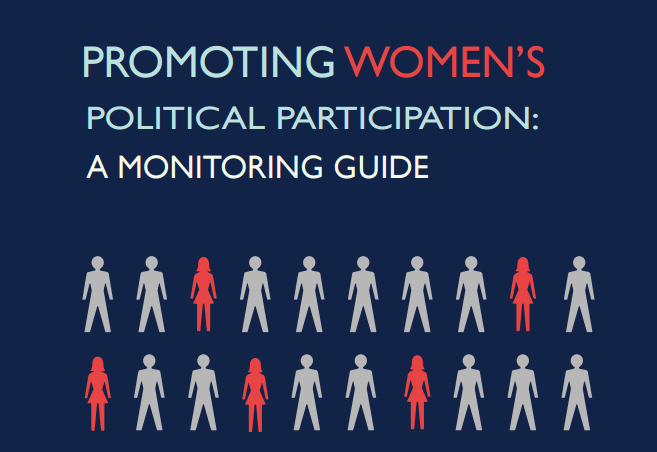
Increasing Women’s Political Participation Through Effective Training Programs: Aguide to best practices and lessons learned.
Pagination
- Previous page
- Page 255