Women's Leadership
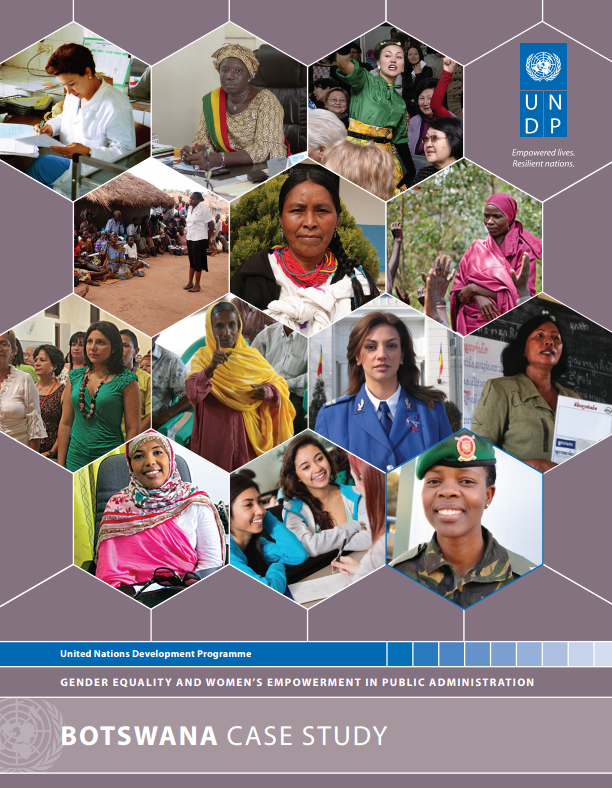
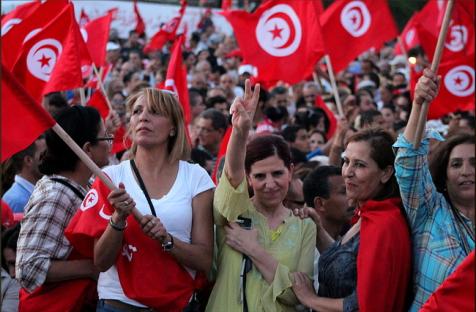
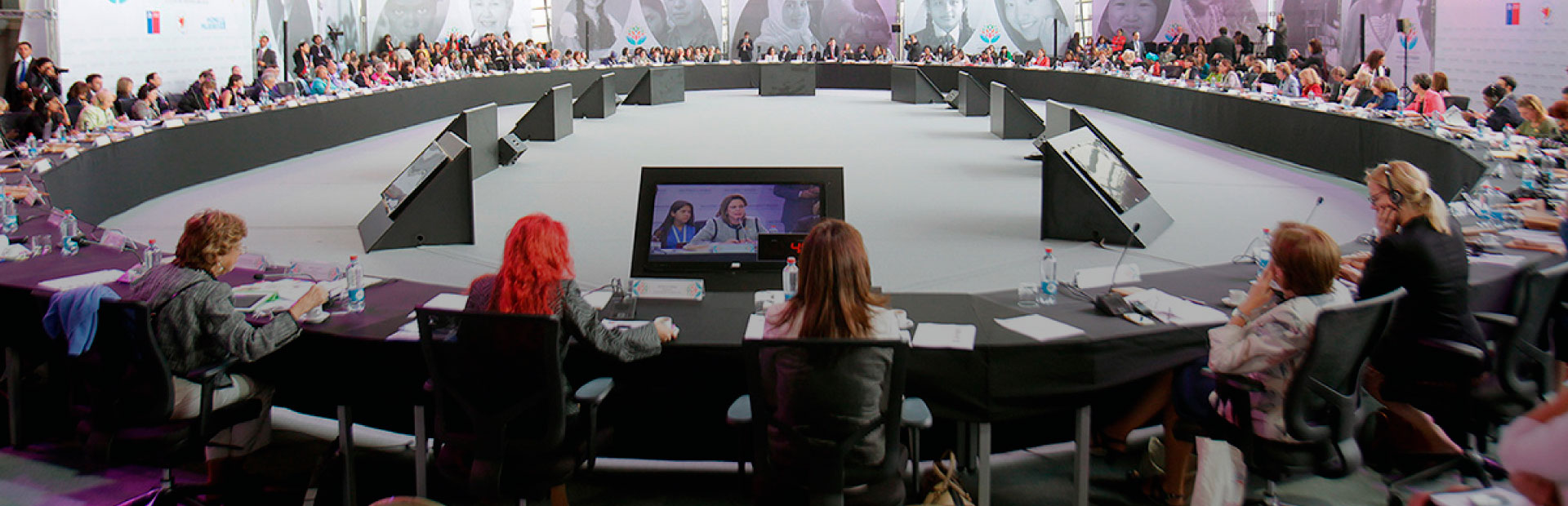
While there have been important advances in women’s leadership in politics, as of November 1 2017, women make up only 7.2% of Heads of State and 6.2% Heads of Government. Data on women representatives in local government, including as mayors, heads of villages and towns, is not well collected and analyzed. The adoption of an SDG indicator on women’s representation in local government is a great step forward in tracking progress on gender balance, allowing for the systematic collection and analysis of data on women in local government. Women’s access to and continued role in leadership positions is challenged by a range of barriers, including discriminatory laws and practices, as well as social norms that prescribe traditional roles and attitudes towards women’s participation in leadership and decision-making roles. Proactive gender-equality policies within political parties and local government structures, including quotas and special temporary measures, gender-sensitive approaches to electoral processes, support networks, mentoring, training, and engagement of male champions, can all help promote women’s role in political leadership.
Women in Baltic Politics and Political Leadership
Significant and, arguably, profound changes took place in Baltic high politics over the past four years.
In the run-up to Brazil’s municipal elections, FGV Press has just published an intense and long book featuring the moving stories of a hundred Brazilian women from all over the country who decided to tackle various obstacles and fight for a place in pol
Raging, radical and ready for change: France’s angry green women are an inspiration to us all
Mongolians go to the polls in parliamentary elections on Friday, with the ruling Mongolian People's Party widely expected to retain a majority it has held for eight years.
PAKISTAN ranks low on the Gender Gap Index in the World Economic Forum’s Global Gender Gap Report, 2023. On women’s political empowerment, it ranked 95th out of 146 countries, with only a handful of women occupying senior, managerial, policy- and decision-making posts.
The White House says adding more diverse judges to the federal courts remains a priority for the president.
Dame Sandra Mason was the first woman admitted to the bar in Barbados -- and her place in the nation's history was cemented when she was elected as the country's first president.
Pagination
- Previous page
- Page 254
- Next page