Women and politics in Papua New Guinea
Normal
0
-->
Normal
0
-->
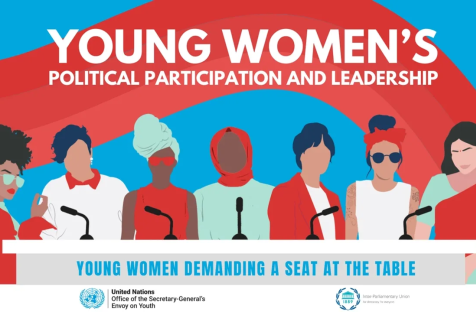
While there have been important advances in women’s leadership in politics, as of November 1 2017, women make up only 7.2% of Heads of State and 6.2% Heads of Government. Data on women representatives in local government, including as mayors, heads of villages and towns, is not well collected and analyzed. The adoption of an SDG indicator on women’s representation in local government is a great step forward in tracking progress on gender balance, allowing for the systematic collection and analysis of data on women in local government. Women’s access to and continued role in leadership positions is challenged by a range of barriers, including discriminatory laws and practices, as well as social norms that prescribe traditional roles and attitudes towards women’s participation in leadership and decision-making roles. Proactive gender-equality policies within political parties and local government structures, including quotas and special temporary measures, gender-sensitive approaches to electoral processes, support networks, mentoring, training, and engagement of male champions, can all help promote women’s role in political leadership.
Normal
0
-->
Normal
0
-->
Normal
0
false
-->
Normal
0
false
-->
Normal
0
false
-->
Normal
0
false
-->
Normal
0
-->
Normal
0
-->
Normal
0
-->
Normal
0
-->
Normal
0
-->
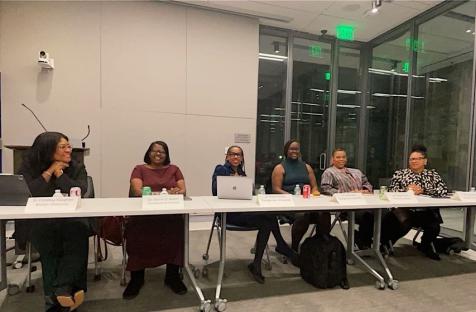
It’s the final day at The Campaign School at Yale (TCS), and in Room 127 at Yale Law School, students are presenting their case studies on a simulated race for attorney general in Pennsylvania.
Marion Kamara stepped out of the black gates of her compound, high on a hill in the Devil Hole area southwest of Sierra Leone’s capital, Freetown.
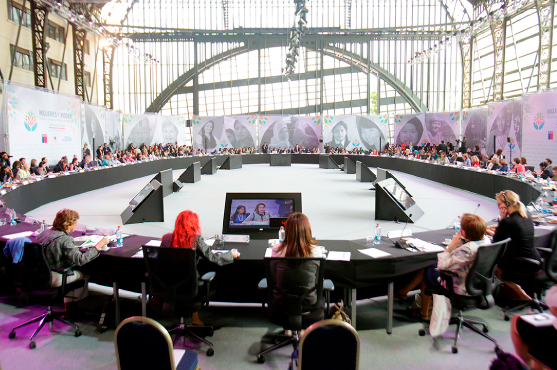
The Provincial Assembly of Sindh, in collaboration with the Women’s Parliamentary Caucus (WPC), organised a roundtable discussion on electoral reforms in Karachi on Wednesday. The event was held with the support of UN-Women Pakistan and UNDP.