Women's Leadership

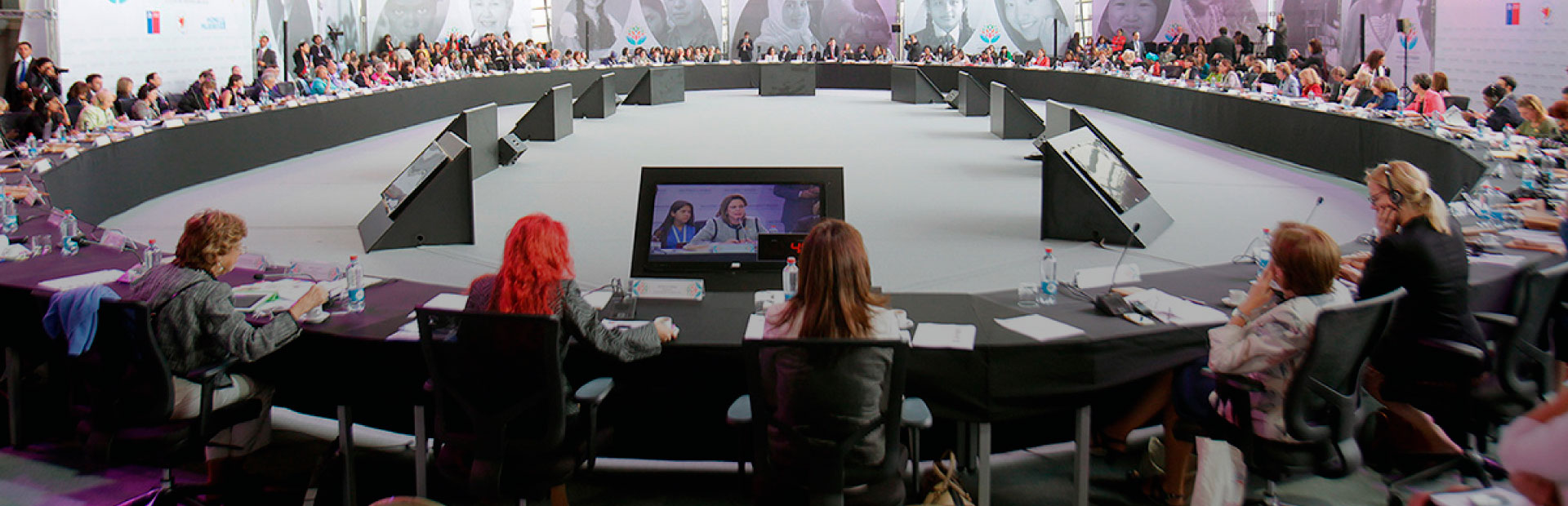
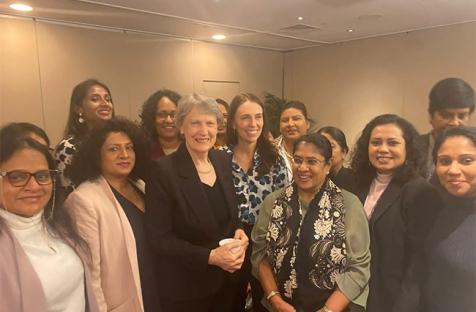
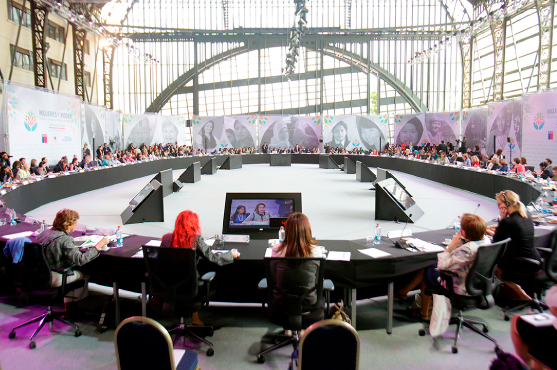
While there have been important advances in women’s leadership in politics, as of November 1 2017, women make up only 7.2% of Heads of State and 6.2% Heads of Government. Data on women representatives in local government, including as mayors, heads of villages and towns, is not well collected and analyzed. The adoption of an SDG indicator on women’s representation in local government is a great step forward in tracking progress on gender balance, allowing for the systematic collection and analysis of data on women in local government. Women’s access to and continued role in leadership positions is challenged by a range of barriers, including discriminatory laws and practices, as well as social norms that prescribe traditional roles and attitudes towards women’s participation in leadership and decision-making roles. Proactive gender-equality policies within political parties and local government structures, including quotas and special temporary measures, gender-sensitive approaches to electoral processes, support networks, mentoring, training, and engagement of male champions, can all help promote women’s role in political leadership. 
Show on Home Page
Yes
Image
Icon
Banner Image
January 30, 2023
Who is Carmel Sepuloni? New Zealand’s first Pasifika deputy prime minister

The daughter of an abattoir worker and fruit picker, Sepuloni could have exactly the expertise the PM needs to tackle a brutal cost of living crisis

January 27, 2023
Jacinda Ardern: political figures believe abuse and threats contributed to PM’s resignation

Ardern says she slept soundly ‘for the first time in a long time,’ as colleagues in New Zealand deplore her treatment as PM and race begins to replace her

Women suffer guilt, abuse and disapproval. No wonder Jacinda Ardern is knackered

Back
January 27, 2023

Women suffer guilt, abuse and disapproval. No wonder Jacinda Ardern is knackered

We worry about our families, ourselves, the threats and society’s expectations. When it leads to burnout, can anyone be surprised?

We worry about our families, ourselves, the threats and society’s expectations. When it leads to burnout, can anyone be surprised?

January 24, 2023
Female politicians help to diffuse polarization, hostility and distrust, study shows

Nominating and electing more female politicians can help to diffuse polarisation and reduce levels of hostility and distrust across party lines, a study shows

Crisis, gender role congruency, and perceptions of executive leadership

Back
January 23, 2023

Crisis, gender role congruency, and perceptions of executive leadership

At a time of pandemics, international economic downturns, and increasing environmental threats due to climate change, countries around the world are facing numerous crises.

At a time of pandemics, international economic downturns, and increasing environmental threats due to climate change, countries around the world are facing numerous crises.

January 23, 2023
76% of Algerians believe men are better at political leadership than women

Most Algerians are for separating men and women in the workplace, citing sexual harassment concerns.

A sign of the times, NZ PM Ardern's resignation resonates for women in power

Back
January 19, 2023

A sign of the times, NZ PM Ardern's resignation resonates for women in power

WELLINGTON, Jan 19 (Reuters) - Thursday's shock resignation of New Zealand Prime Minister Jacinda Ardern, who altered the face of global politics when she was elected the world's youngest female head of state, throws a spotlight on the punishing dema

WELLINGTON, Jan 19 (Reuters) - Thursday's shock resignation of New Zealand Prime Minister Jacinda Ardern, who altered the face of global politics when she was elected the world's youngest female head of state, throws a spotlight on the punishing dema

January 19, 2023
Jacinda Ardern: New Zealand PM quits citing burnout

Jacinda Ardern is quitting as New Zealand prime minister ahead of this year's election saying she no longer has "enough in the tank" to lead.