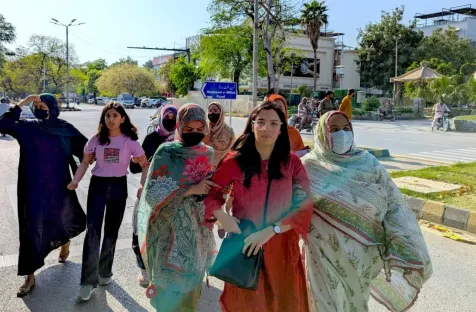
Women's Leadership
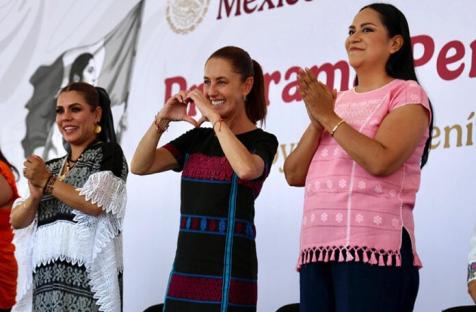
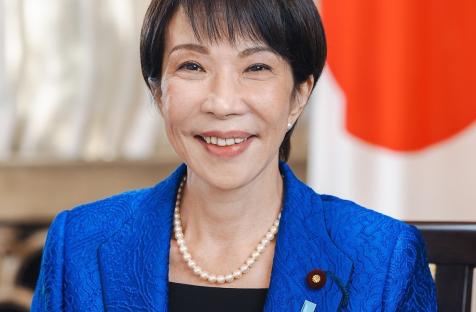
While there have been important advances in women’s leadership in politics, as of November 1 2017, women make up only 7.2% of Heads of State and 6.2% Heads of Government. Data on women representatives in local government, including as mayors, heads of villages and towns, is not well collected and analyzed. The adoption of an SDG indicator on women’s representation in local government is a great step forward in tracking progress on gender balance, allowing for the systematic collection and analysis of data on women in local government. Women’s access to and continued role in leadership positions is challenged by a range of barriers, including discriminatory laws and practices, as well as social norms that prescribe traditional roles and attitudes towards women’s participation in leadership and decision-making roles. Proactive gender-equality policies within political parties and local government structures, including quotas and special temporary measures, gender-sensitive approaches to electoral processes, support networks, mentoring, training, and engagement of male champions, can all help promote women’s role in political leadership.
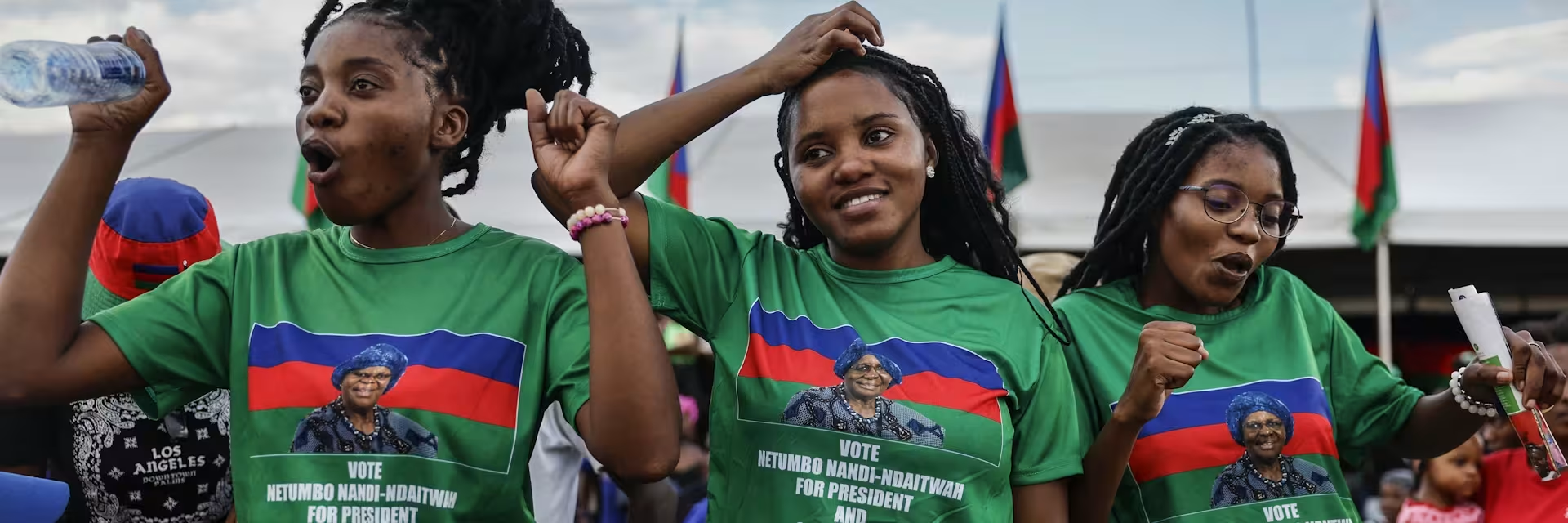
It is truly disappointing that, out of 2,582 candidates who filed nomination papers for the upcoming parliamentary election, only 110 are women.
National Women Leaders Forum of Political Parties in Nigeria ,NWLFPPN, has called for stronger digital protection systems against Technology-Facilitated Gender-Based Violence ,TF-GBV, targeting women in politics.
For all the setbacks for the world’s women in 2025—job losses that rival those of the pandemic, worsening toxicity of the online “manosphere,” a certain presidential rebuke directed to a female reporter that invoked a farm animal—the leaders and vanguards on the 2
NEW YORK CITY: Twenty-five years after the adoption of UN Security Council Resolution 1325, which committed world leaders to advancing the inclusion of women in peace and security processes, a new UN report reveals a troubling reversal of progress.
VIENNA, 18 June – The OSCE Forum for Security Co-operation placed the Women, Peace and Security agenda at the forefront of its programme today, with a dedicated Security Dialogue during the plenary session and a side-event focused on gender-responsive security.
In October 2025, the UN community will mark the 25th anniversary of UN Security Council Resolution 1325, which launched the women, peace, and security (WPS) agenda.
Women, Peace and Security in a changing global order: rethinking participation, protection and mediation practice
Report of the UN Secretary-General Women and Peace and Security 2025: Key Highlights
Pagination
- Previous page
- Page 6
- Next page