Women's Leadership

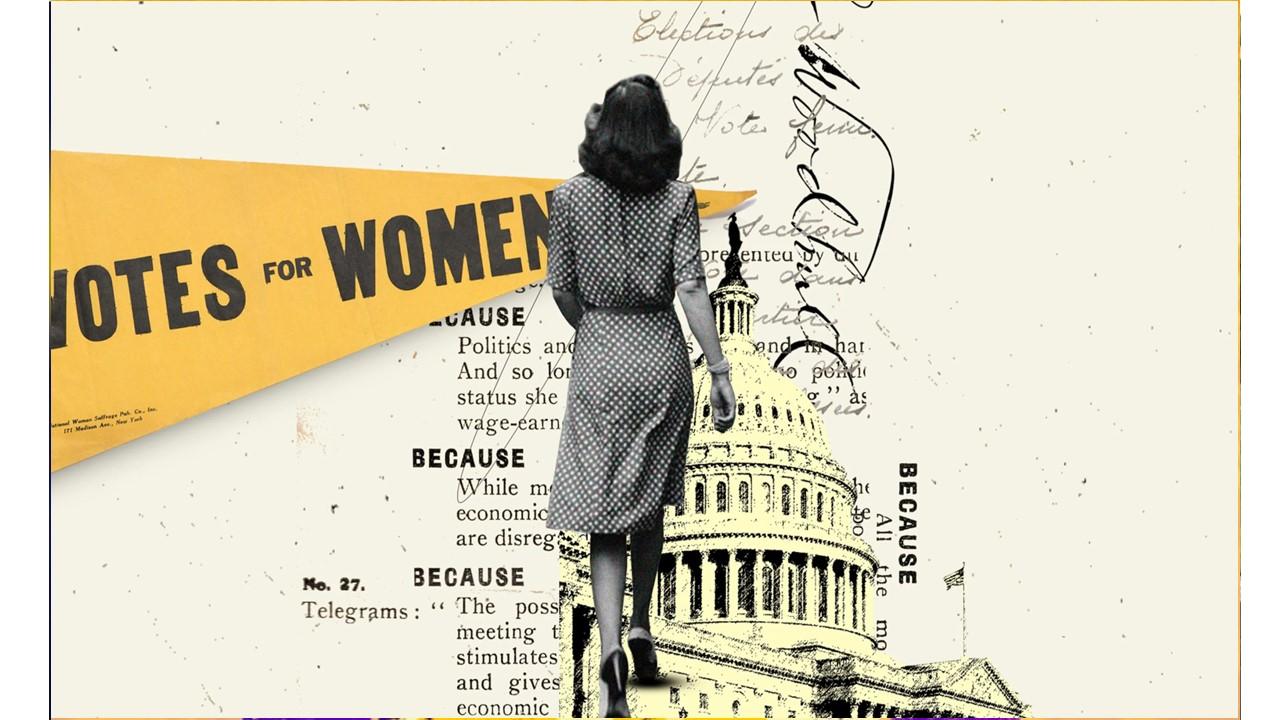
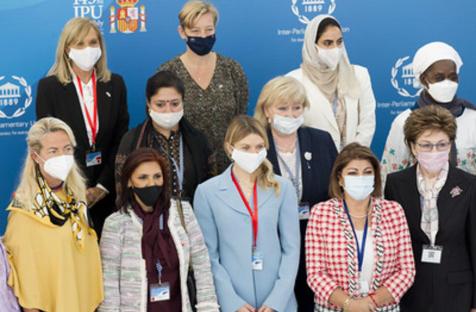
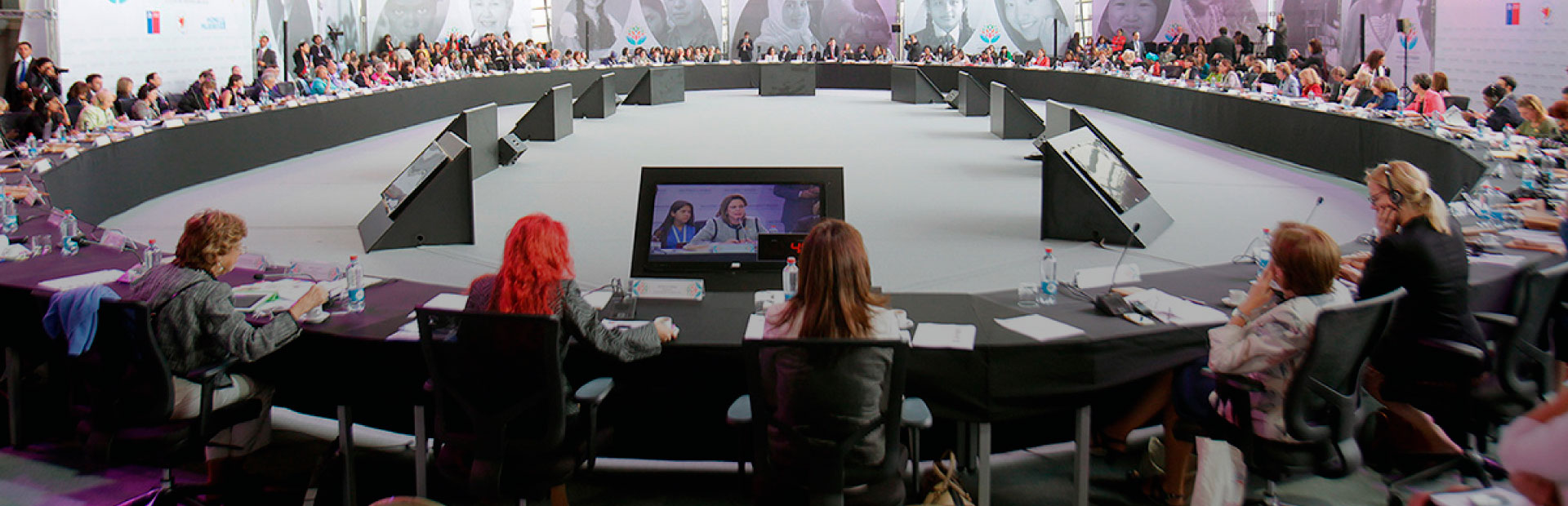
While there have been important advances in women’s leadership in politics, as of November 1 2017, women make up only 7.2% of Heads of State and 6.2% Heads of Government. Data on women representatives in local government, including as mayors, heads of villages and towns, is not well collected and analyzed. The adoption of an SDG indicator on women’s representation in local government is a great step forward in tracking progress on gender balance, allowing for the systematic collection and analysis of data on women in local government. Women’s access to and continued role in leadership positions is challenged by a range of barriers, including discriminatory laws and practices, as well as social norms that prescribe traditional roles and attitudes towards women’s participation in leadership and decision-making roles. Proactive gender-equality policies within political parties and local government structures, including quotas and special temporary measures, gender-sensitive approaches to electoral processes, support networks, mentoring, training, and engagement of male champions, can all help promote women’s role in political leadership. 

Show on Home Page
Yes
Image
Icon
Banner Image

Videos

Theresa May & Julia Gillard: In Conversation for International Women's Day

Submitted by admin on
Back
June 10, 2022

Theresa May & Julia Gillard: In Conversation for International Women's Day

To celebrate International Women’s Day, former Prime Minister of Australia and Chair of the Global Institute for Women’s Leadership (GIWL), Julia Gill

To celebrate International Women’s Day, former Prime Minister of Australia and Chair of the Global Institute for Women’s Leadership (GIWL), Julia Gill

June 10, 2022
Albania addresses gender equality in decision-making beyond gender quotas

International IDEA presented its latest data on gender quotas at the Albania 2022 International Forum for Gender Equality “Equality and Me”, which focused on developing a stronger commitment for gender equality.

Videos

Workplace gender equality: How do we create change that actually works?

Submitted by admin on
Back
June 9, 2022

Workplace gender equality: How do we create change that actually works?

In this video recorded at the Australian National University on the 1st of June, 2022 leading Australian thought leaders discuss how can we create change that actually works for women to attain wor

In this video recorded at the Australian National University on the 1st of June, 2022 leading Australian thought leaders discuss how can we create change that actually works for women to attain wor

Women on Board - European Parliament
June 9, 2022
Women on boards: deal to boost gender balance in companies
  • 40% of non-executive director posts should go to the under-represented sex 
  • Dissuasive penalties for non-compliance 

How autocrats use women’s rights to boost themselves

Back
June 8, 2022

How autocrats use women’s rights to boost themselves

Automatically bundling equality and democracy has led to the rise of “genderwashing”.

Automatically bundling equality and democracy has led to the rise of “genderwashing”.

How women have come to hold the top post in 13 out of 45 countries in Europe

Back
June 1, 2022

How women have come to hold the top post in 13 out of 45 countries in Europe

European countries began electing women in top posts from the late 1970s, though the first woman to head a government in the world was Sri Lanka's PM Sirimavo Bandaranaike.

European countries began electing women in top posts from the late 1970s, though the first woman to head a government in the world was Sri Lanka's PM Sirimavo Bandaranaike.

May 30, 2022
Karnataka: 33% quota for women in outsourced government jobs

Synopsis

May 25, 2022
Cambodian women in leadership rising

Cambodia organised the National Forum on ‘Women in Leadership and Governance’ acknowledging increasing number of women in key leadership roles in the country.

May 20, 2022
#PanWomanity as the new #PanAfricanism: What can data tell us?

The inclusivity of women in politics and decision-making is steadily rising across Africa. This could be the last frontier for sustainable development in Africa.