Women in Tunisia: Has a female prime minister changed Tunisia?

Tunisia has seen a marked shift in attitudes towards women political leaders since Najla Bouden became the first female prime minister in the Arab world.
While there have been important advances in women’s leadership in politics, as of November 1 2017, women make up only 7.2% of Heads of State and 6.2% Heads of Government. Data on women representatives in local government, including as mayors, heads of villages and towns, is not well collected and analyzed. The adoption of an SDG indicator on women’s representation in local government is a great step forward in tracking progress on gender balance, allowing for the systematic collection and analysis of data on women in local government. Women’s access to and continued role in leadership positions is challenged by a range of barriers, including discriminatory laws and practices, as well as social norms that prescribe traditional roles and attitudes towards women’s participation in leadership and decision-making roles. Proactive gender-equality policies within political parties and local government structures, including quotas and special temporary measures, gender-sensitive approaches to electoral processes, support networks, mentoring, training, and engagement of male champions, can all help promote women’s role in political leadership.
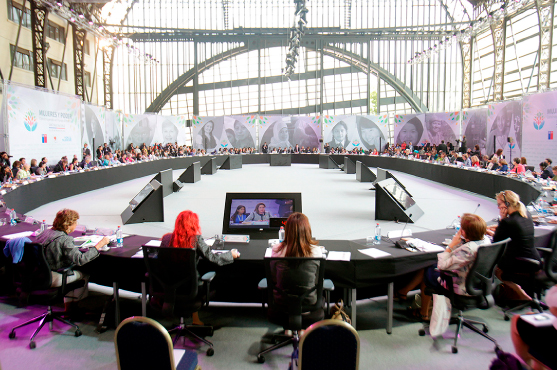

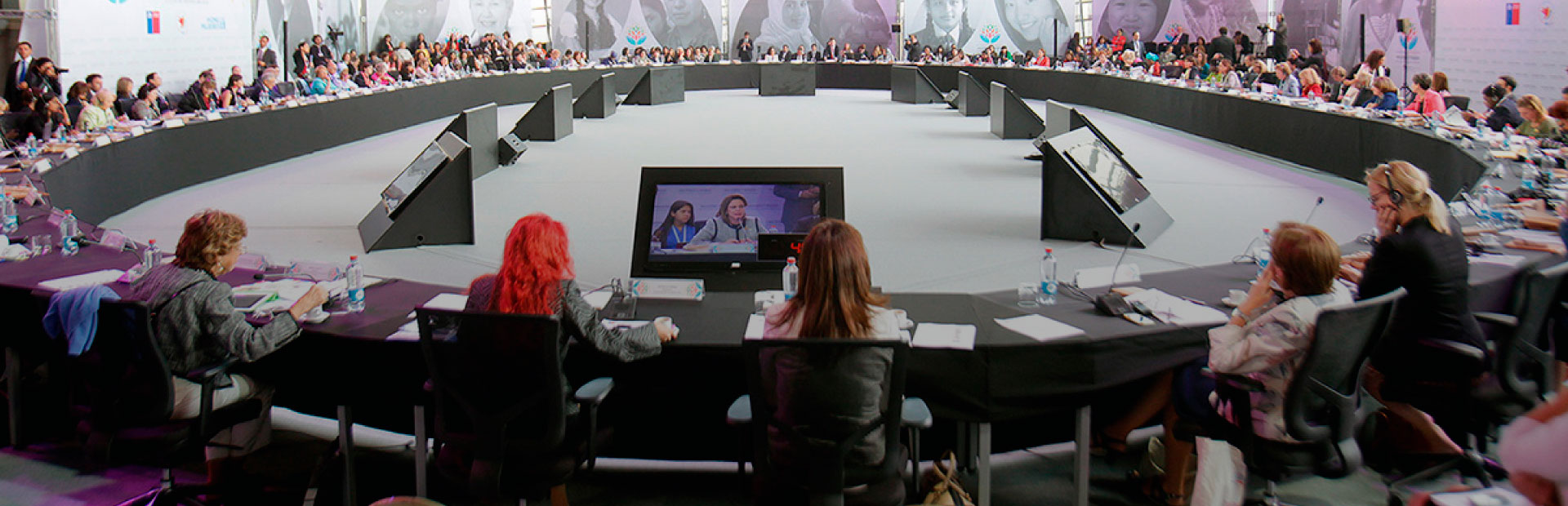
Tunisia has seen a marked shift in attitudes towards women political leaders since Najla Bouden became the first female prime minister in the Arab world.

"The next step is to move away from symbolic representation for women to have more female politicians in influential decision-making positions," writes Saad Hafiz.

In 2021, the world’s political leaders, youth activists, corporate executives, development agencies, gathered in Paris for the Generation Equality Forum to lay the foundation for a new agenda to address gender equality.
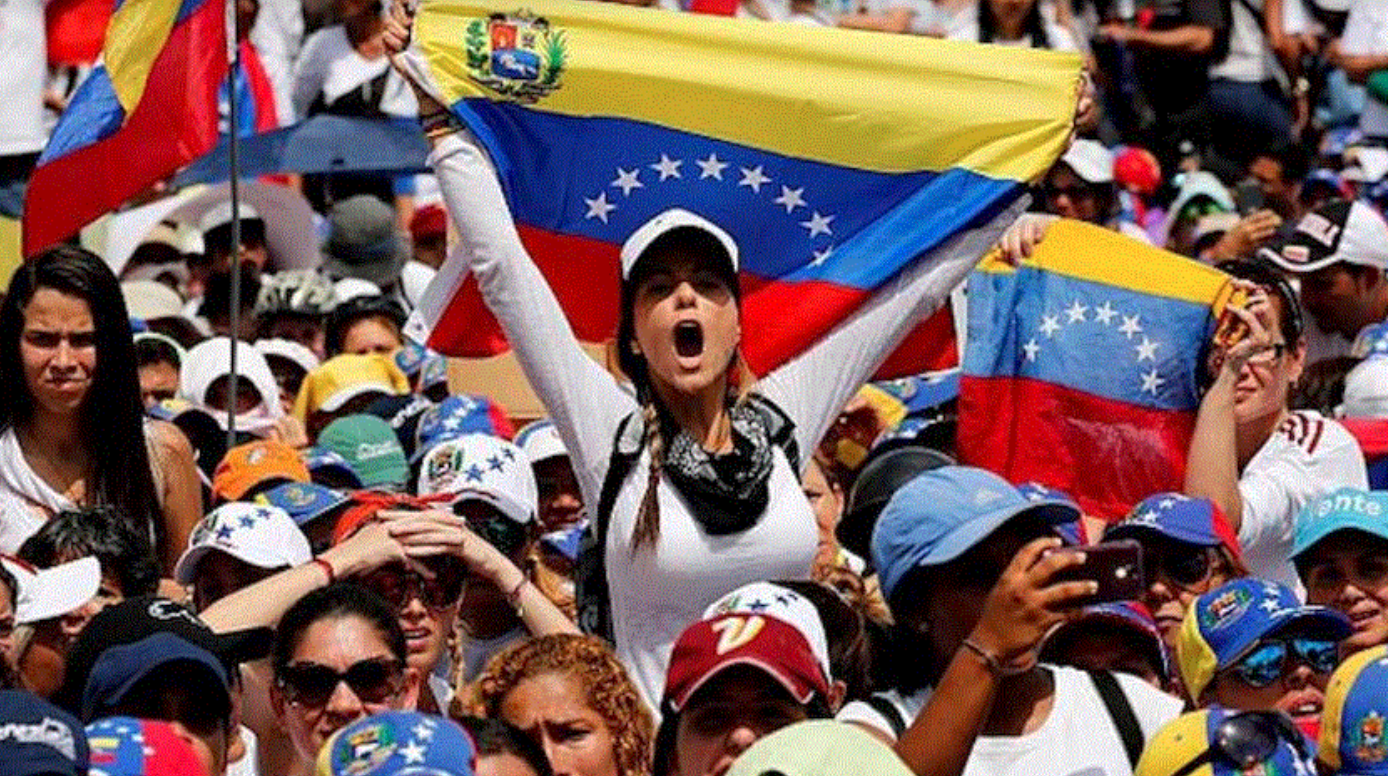
Despite some small advances and changes in legislation, both chavismo and the opposition make things more difficult for female politicians. But Venezuela could take some steps towards equality.
Women around the world are facing unprecedented levels of targeted political violence. This is also true in West Africa. Women can be targeted in a myriad of ways, by an array of types of perpetrators, during and outside of periods of conflict and contentious crises.

This new report presents a clarion opportunity to champion improved, gender-responsive social protections and to ensure meaningful participation of women to identify solutions to acute and chronic challenges that leave no one behind.

The overlapping impacts of the COVID-19 pandemic, accelerating climate disasters, and geopolitical conflict are a threat to gender equality and women’s rights across the globe.

WARNING: PROFANE LANGUAGE
