July 27, 2022
Climate change action: These seven women MPs are leading the way
Research shows that female political leadership directs countries to adopt more robust climate change policies.
While there have been important advances in women’s leadership in politics, as of November 1 2017, women make up only 7.2% of Heads of State and 6.2% Heads of Government. Data on women representatives in local government, including as mayors, heads of villages and towns, is not well collected and analyzed. The adoption of an SDG indicator on women’s representation in local government is a great step forward in tracking progress on gender balance, allowing for the systematic collection and analysis of data on women in local government. Women’s access to and continued role in leadership positions is challenged by a range of barriers, including discriminatory laws and practices, as well as social norms that prescribe traditional roles and attitudes towards women’s participation in leadership and decision-making roles. Proactive gender-equality policies within political parties and local government structures, including quotas and special temporary measures, gender-sensitive approaches to electoral processes, support networks, mentoring, training, and engagement of male champions, can all help promote women’s role in political leadership.

Research shows that female political leadership directs countries to adopt more robust climate change policies.
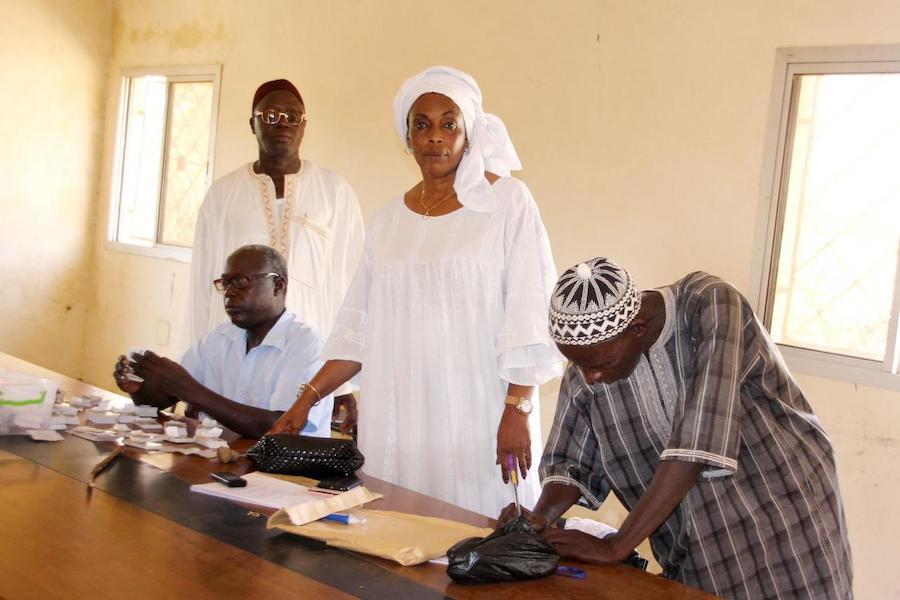
In the months of July and August, Senegal and Kenya will hold their general elections. However, the big question remains: Where do Senegalese and Kenyan women stand on their quest to parliamentary mandates and political offices?
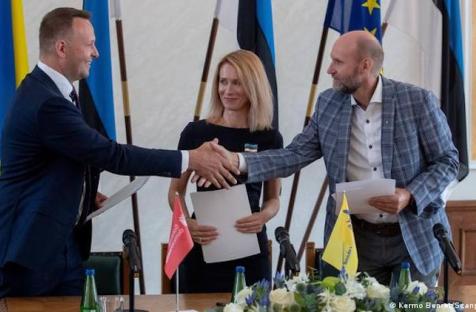
Prime Minister Kaja Kallas has regained her parliamentary majority with the swearing in of a new government made up of a three-party coalition. Despite the return of stability, the PM has warned of "hard times" ahead.

Satoko Kishimoto sets sights on ‘radical change’ in Japan, where only 2% of local government leaders are women.

Gender parity is not recovering, according to the Global Gender Gap Report 2022. It will take another 132 years to close the global gender gap.

NEW DELHI — About 5,000 Indian lawmakers on Thursday elected Draupadi Murmu, an Indigenous tribal woman with humble roots, to be the country’s next president, marking a breakthrough for one of India’s marginalized minority groups.
To inform our own programming on advancing gender-balanced appointments and to establish a scalable, replicable, transformative model for advancing gender-balanced appointments, RepresentWomen gathered learnings from five similar initiatives around the country.
More than 100 years after women gained full citizenship rights through the 19th Amendment, women are still under-represented in government.