Kenya: women are majority voters- why don't they vote for other women?

By Priscilla Nyokabi
While there have been important advances in women’s leadership in politics, as of November 1 2017, women make up only 7.2% of Heads of State and 6.2% Heads of Government. Data on women representatives in local government, including as mayors, heads of villages and towns, is not well collected and analyzed. The adoption of an SDG indicator on women’s representation in local government is a great step forward in tracking progress on gender balance, allowing for the systematic collection and analysis of data on women in local government. Women’s access to and continued role in leadership positions is challenged by a range of barriers, including discriminatory laws and practices, as well as social norms that prescribe traditional roles and attitudes towards women’s participation in leadership and decision-making roles. Proactive gender-equality policies within political parties and local government structures, including quotas and special temporary measures, gender-sensitive approaches to electoral processes, support networks, mentoring, training, and engagement of male champions, can all help promote women’s role in political leadership.

By Priscilla Nyokabi
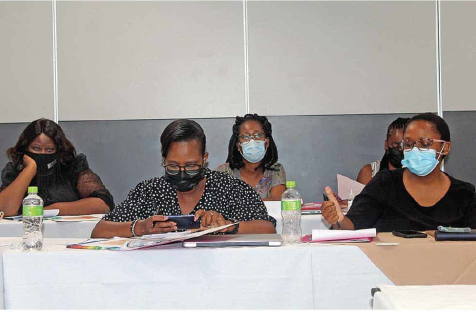
Democracy Works Foundation (DWF) in conjunction with Botswana Editors Forum Botswana recently held a two-day workshop to train journalists on how media can play a supportive role in advancing meaningful participation of women in politics.
In just two years, the pandemic has threatened decades worth of progress towards gender equality.
RepresentWomen's Arab State Brief reviews the extent to which women are represented in Arab countries, the history of Arab independence and revolutions - and their impact on women's rights and representation; and country-specific information that covers the history of

In a society of transition, the role of women is also in transition in Bhutan, but the farsighted leadership of Their Majesties the Kings has helped Bhutanese women progress.

African politics has done well when it comes to mainstreaming women into the social process of political socialization. It is so encouraging that the world can now see women in top positions of politics around Africa; Dr.
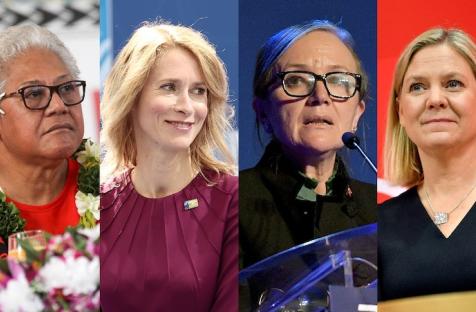
Forty. That's the number of countries around the world that have chosen a woman to lead since Julia Gillard was ousted on June 27, 2013.

This article is the first in a two-part series examining the impact of gender quotas.

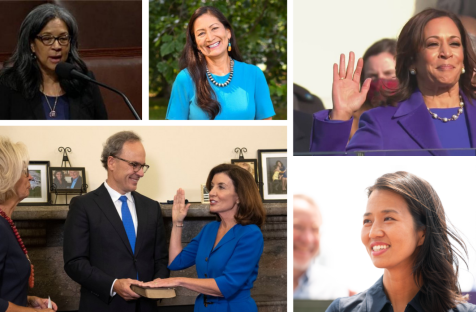
Black women are a powerful force in the American political system, and their political power continues to grow and garner recognition for the force it is.