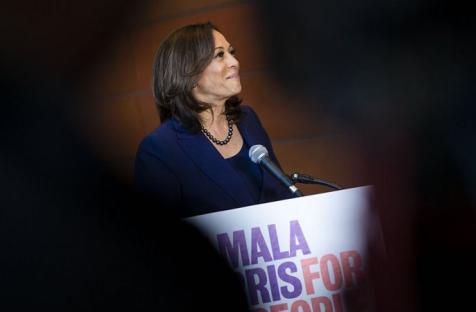
Kamala Harris savoured the moment she became the first woman, and the first black and Asian American, to be vice-president-elect, with a very hearty laugh.
While there have been important advances in women’s leadership in politics, as of November 1 2017, women make up only 7.2% of Heads of State and 6.2% Heads of Government. Data on women representatives in local government, including as mayors, heads of villages and towns, is not well collected and analyzed. The adoption of an SDG indicator on women’s representation in local government is a great step forward in tracking progress on gender balance, allowing for the systematic collection and analysis of data on women in local government. Women’s access to and continued role in leadership positions is challenged by a range of barriers, including discriminatory laws and practices, as well as social norms that prescribe traditional roles and attitudes towards women’s participation in leadership and decision-making roles. Proactive gender-equality policies within political parties and local government structures, including quotas and special temporary measures, gender-sensitive approaches to electoral processes, support networks, mentoring, training, and engagement of male champions, can all help promote women’s role in political leadership.
Kamala Harris savoured the moment she became the first woman, and the first black and Asian American, to be vice-president-elect, with a very hearty laugh.
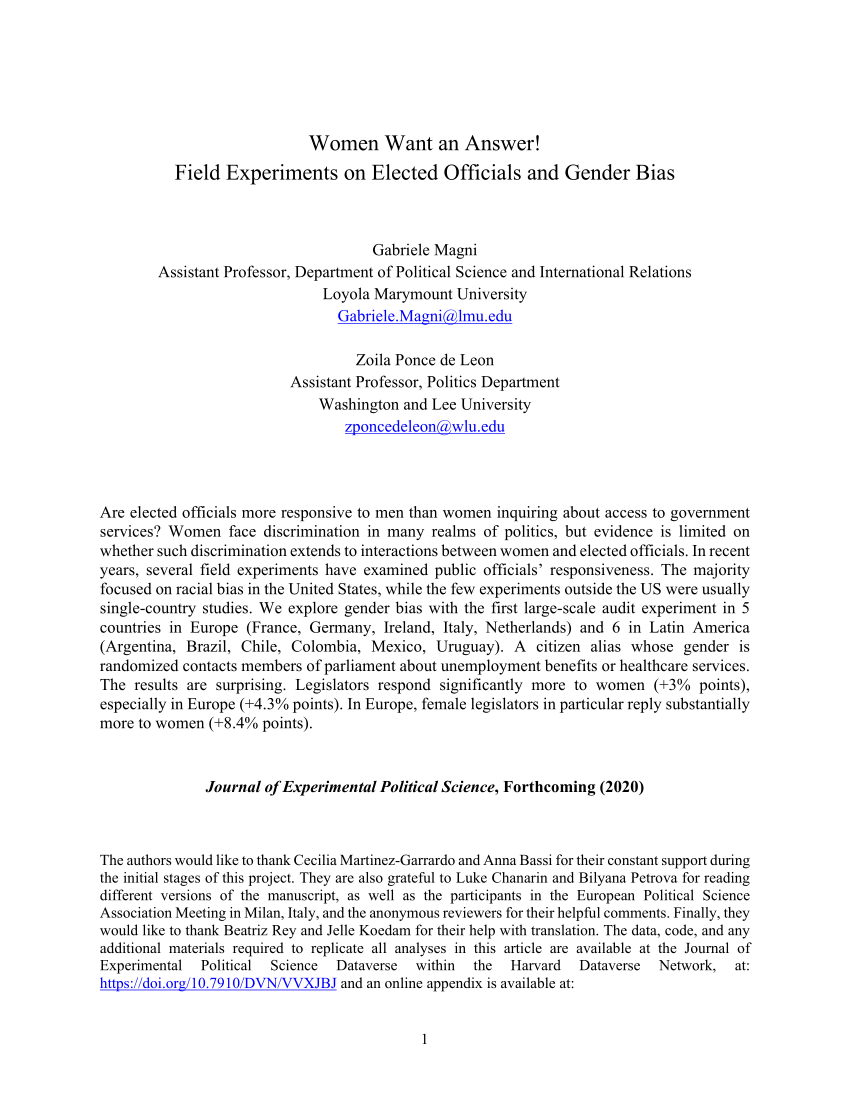
Are elected officials more responsive to men than women inquiring about access to government services? Women face discrimination in many realms of politics, but evidence is limited on whether such discrimination extends to interactions between women and elected officials.
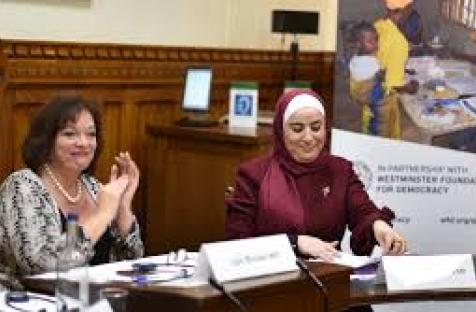
One in three women candidates running for the upcoming parliamentary elections, slated for November 10, said that they were subjected to cyberbullying, a local study revealed on Thursday.
In 2020 — for the second straight election cycle and 100 years after the ratification of the 19th Amendment to the Constitution granting women suffrage — the number of women running for Congress set a record and mor
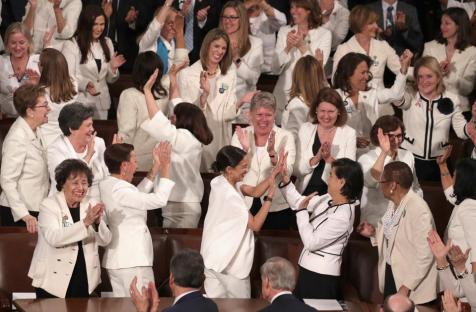
Women across the United States made several gains in this week’s election, producing a string of firsts down the ballot and nudging up representation in both the House and the Senate.
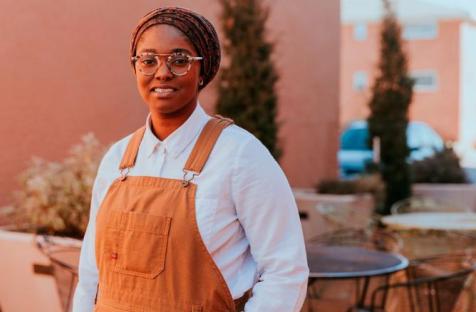
Mauree Turner won her race for Oklahoma state House for District 88 on Tuesday, becoming the first nonbinary state legislator in US history and first Muslim lawmaker in Oklahoma.
At least 131 women are set to serve in the U.S.
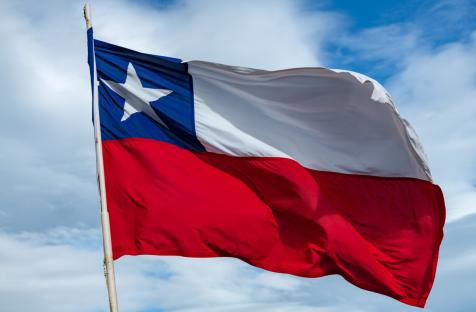
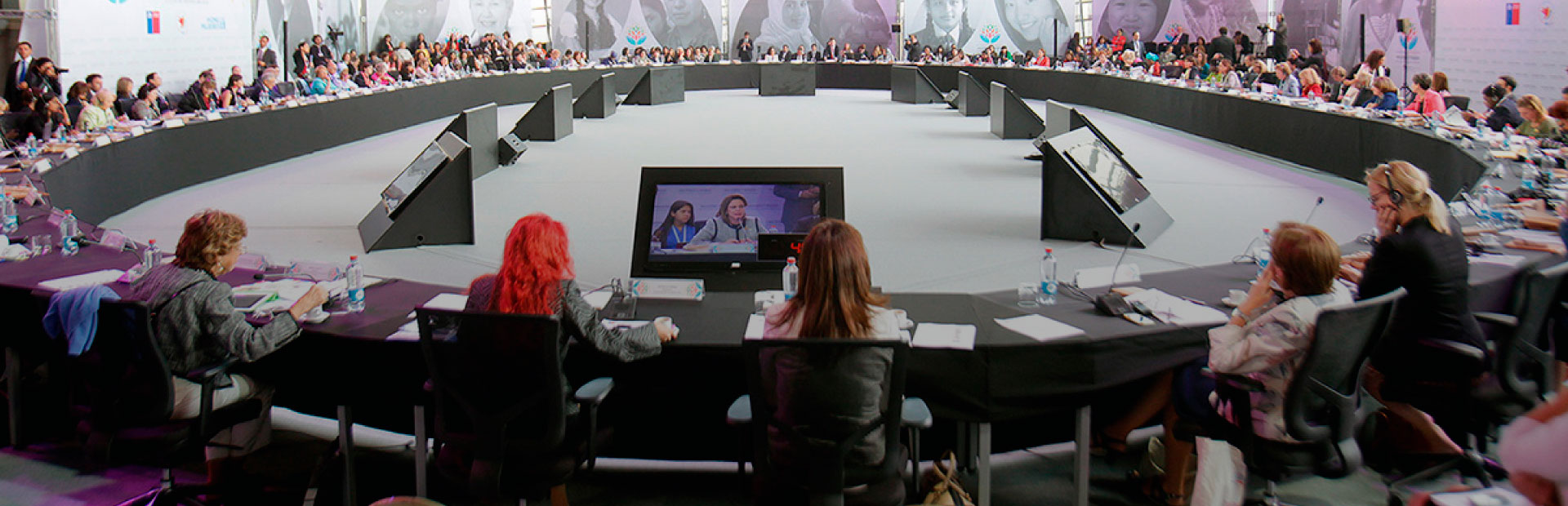
A few days ago, Chile held a historical plebiscite to decide whether the country should draft a new constitution, and through which mechanism; a fully elected constitutional convention, with gender parity, or a mixed convention integrated by current members of congress and elected citizens.