Women politicians more likely to reply to people who reach out in need, study shows
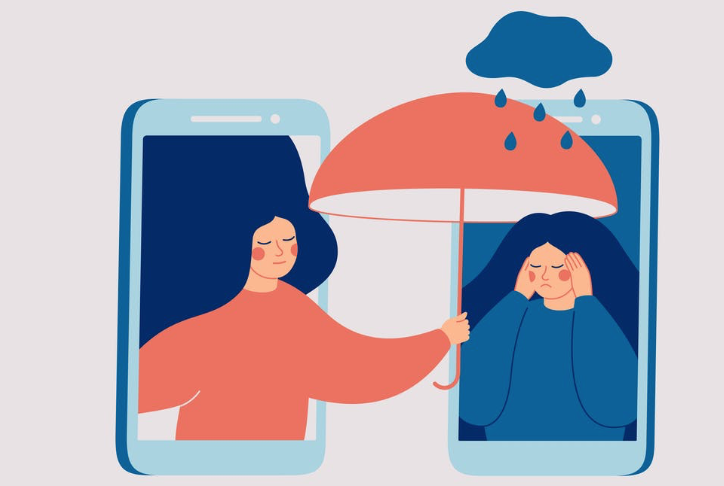
The big idea
While there have been important advances in women’s leadership in politics, as of November 1 2017, women make up only 7.2% of Heads of State and 6.2% Heads of Government. Data on women representatives in local government, including as mayors, heads of villages and towns, is not well collected and analyzed. The adoption of an SDG indicator on women’s representation in local government is a great step forward in tracking progress on gender balance, allowing for the systematic collection and analysis of data on women in local government. Women’s access to and continued role in leadership positions is challenged by a range of barriers, including discriminatory laws and practices, as well as social norms that prescribe traditional roles and attitudes towards women’s participation in leadership and decision-making roles. Proactive gender-equality policies within political parties and local government structures, including quotas and special temporary measures, gender-sensitive approaches to electoral processes, support networks, mentoring, training, and engagement of male champions, can all help promote women’s role in political leadership.
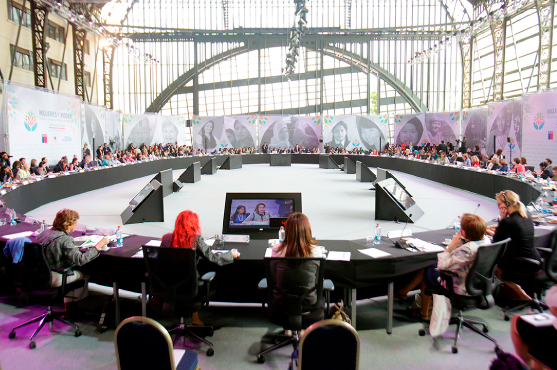

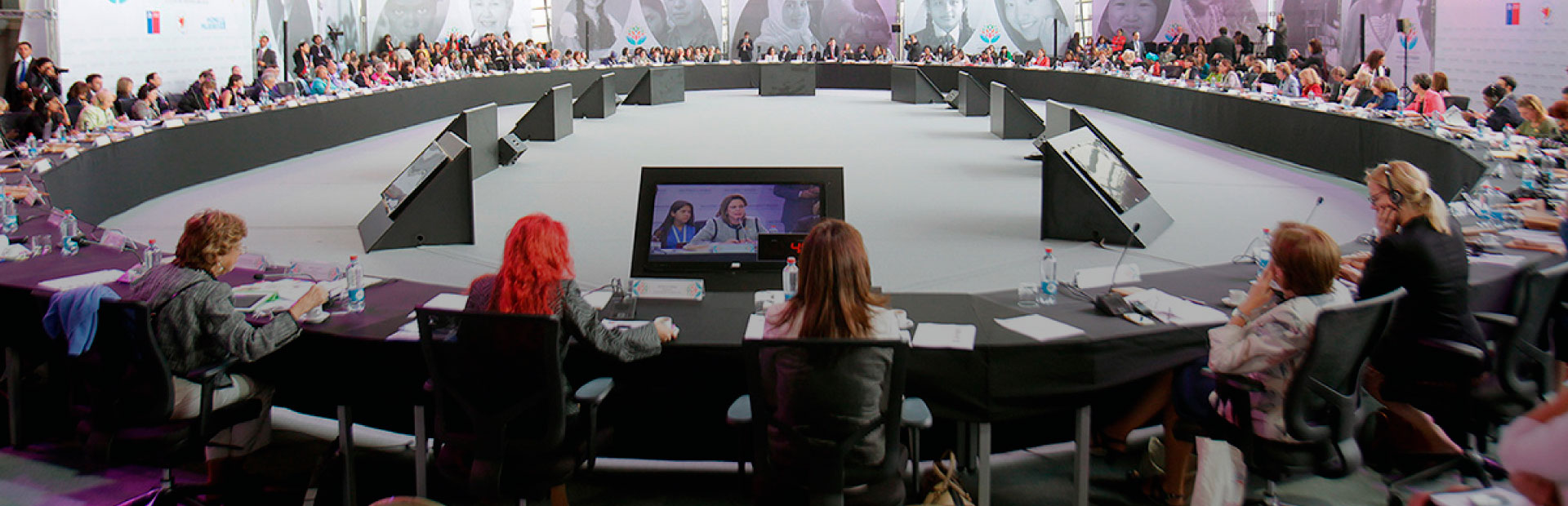

The Aronson Center for International Studies held the third event in its 2020 Fall Speaker Series on Human Rights to discuss the topic of “Women and Conflict” on Thursday, Oct. 29.

In this election, women made up an important voting bloc and the door is slowly opening as more women run for office. To talk about the influence of women in politics, KUNR’s Natalie Van Hoozer spoke to Dr. Christina Ladam, a political science professor at the University of Nevada, Reno.
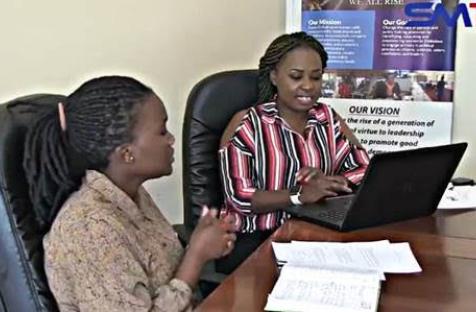
Women’s Academy for Leadership and Political Excellence (WALPE) together with Deaf Zimbabwe Trust (DZT) and Mutasa Youth Forum (MYF) on 17 September 2020 launched their collaborative research report titled: “The Implications of Young Women and Women with Disabilities’ Marginalisation in Lead
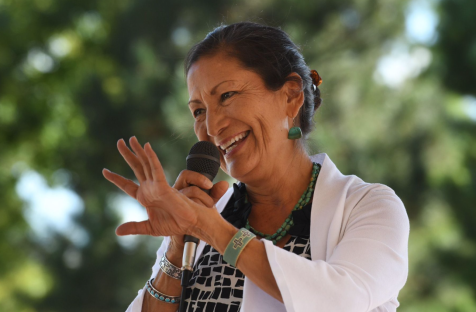
New Mexico made history by electing its first U.S. House delegation made up of all women of color, the result of three races with women running in both major parties.

The coronavirus pandemic is a crisis on many fronts – political, economic, and scientific – with ramifications that touch every member of society.

Genevieve Woodard Hartley and her husband used to vote for the same presidential candidate. Not this year. While both describe themselves as Republicans, the couple, who live in Houston, Texas, is “splitting” its ticket.

In a statement on Friday, the Ambassador of the European Union (EU) to Libya and the Ambassadors of EU Member States accredited to Libya reiterated their aid

More than 2.5 billion women and girls around the world are affected in multiple ways by discriminatory laws and the lack of legal protections.