August 3, 2023
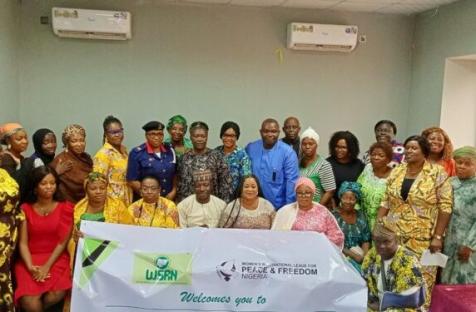
Women dialogue identifies factors impeding participation in politics
Normal
0
-->
While young people play central and catalyzing roles in movements for democracy around the world, they are less engaged than older generations in voting and party activism. As of 2016 people between the ages of 20 and 44 make up 57% of the world’s voting age population but only 26% of the world’s Members of Parliament (MPs). Young people under 30 only represent 1.9% of the world’s MP’s and more than 80% of the world’s upper houses of Parliament have no MPs aged under 30. While male MPs outnumber female MPs in every age category, gender imbalance is less pronounced among younger MPs around the world. This suggests that young men and women may be more likely to make way for new faces and voices to be represented in decision-making (Inter-parliamentary Union Youth Participation in National Parliaments, 2016). Strategies that may promote the engagement of youth in political processes include: youth quotas; legal reforms to align the voting age with the minimum age for elected officials; proportional representation electoral systems; inclusive parliaments and local governance; removal of barriers for youth electoral participation; outreach and recruitment of students by political parties; and targeted outreach to youth political candidates.

Normal
0
-->
Normal
0
-->
Normal
0
false
-->
Normal
0
-->
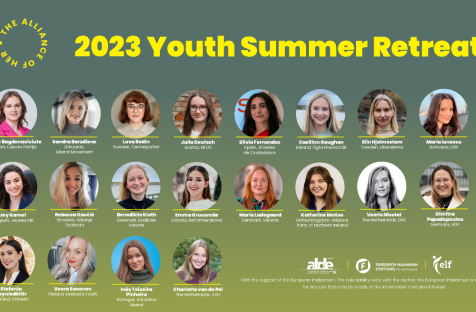
On 6-9 July, the Alliance of Her held its first summer retreat, gathering passionate young women in politics from across Europe.
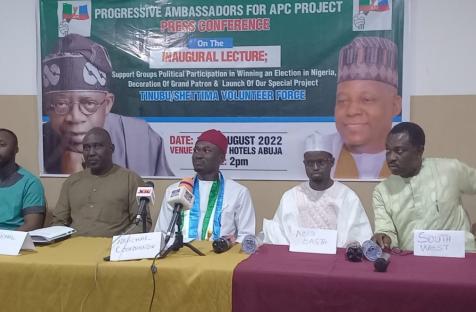
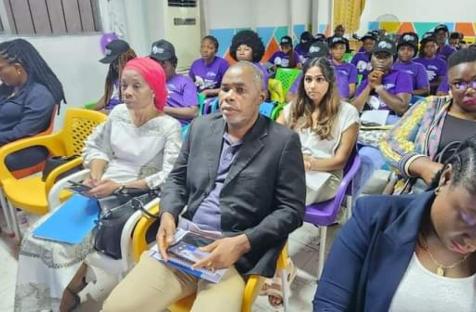
A group under the auspices of Progressive Ambassador for APC project, has calls on President Bola Tinubu to consider women and youths in his cabinet.
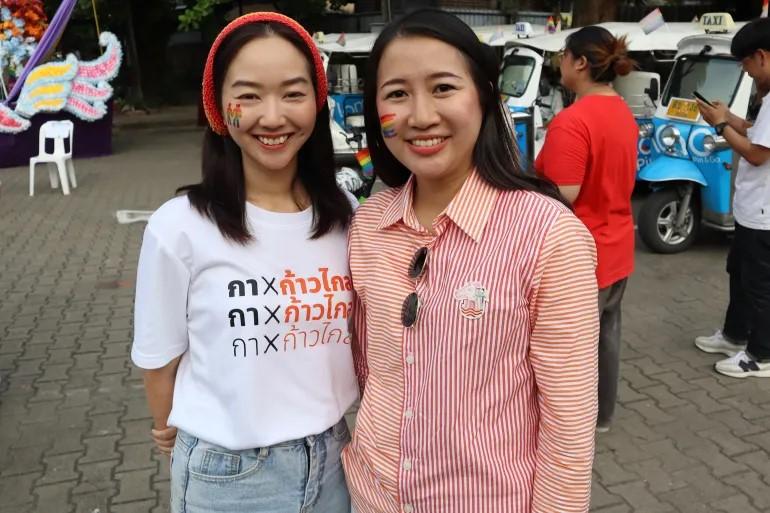
Last month’s historic election in Thailand saw the progressive Move Forward Party claim the most seats in parliament and looks set to usher in a new generation of young po