Advocacy and Development
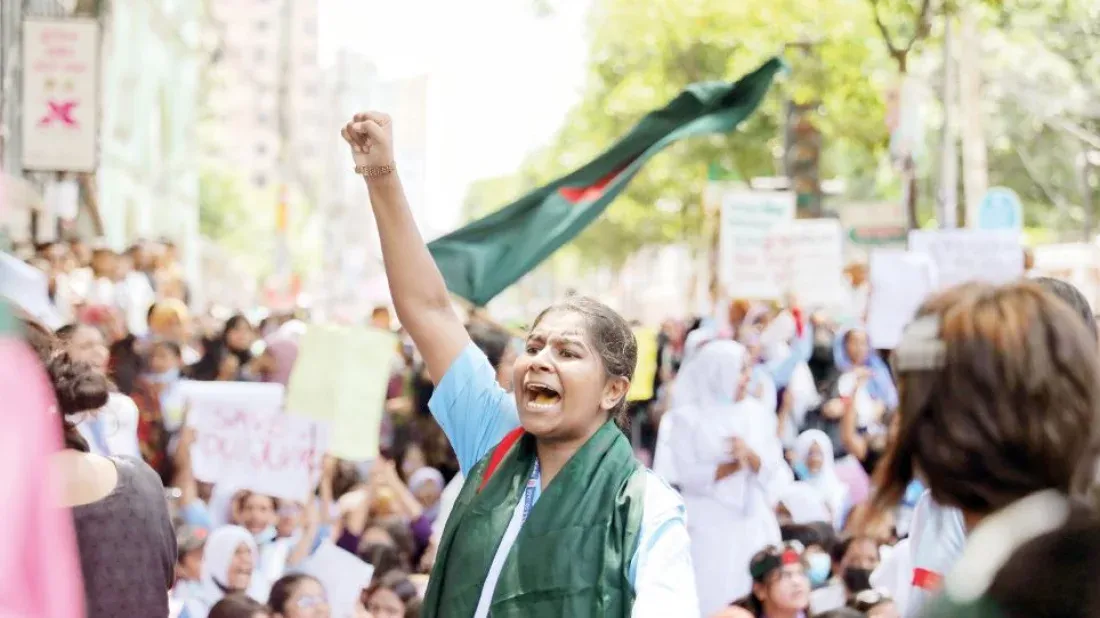
Advocacy and development are activities that represent and promote the needs of specific groups in political and social arenas. One such group is women, who can collectively pressure their leaders for legislative reforms to protect and promote women’s rights and concerns. It is the goal of advocacy groups and lobbyists to ensure that both the public and politicians understand and support their cause, so that it gains strength and credibility. Securing rights and gains for women requires coalition-building, funding, civic education, awareness-raising and individuals willing to lead the way.
While the goals of advocacy and development are similar, the processes are distinctly different. Advocacy involves gaining and exercising power to influence a political action. Employing methods such as demonstrations, public campaigns and civic education, advocacy can be the primary mission of international agencies and civil society organizations seeking to influence global and national decision makers. Women worldwide frequently organize themselves for advocacy purposes, drawing on their collective power to affect legislation, official policies and governmental programs. Lobbying, however, refers to influencing the government and its leaders. Development attempt to sway policy makers and legislators to address specific issues, often by introducing or revising legislation and policy. Development activities may include private meetings with decision makers, public campaigns and demonstrations.
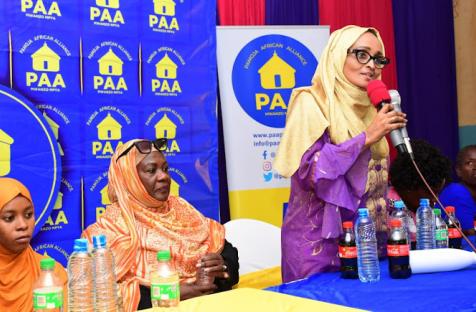
We are proud as a country since there has been growth in terms of women's participation in politics, IEBC CEO Marjan Hussein Marjan has said.
Stereotypical thinking and inconducive environment are invisible barriers for women in politics
KUALA LUMPUR: Women representation in the country's political scene is still low due to stereotypical thinking and inconducive environment which prohibits them from venturing into the arena.
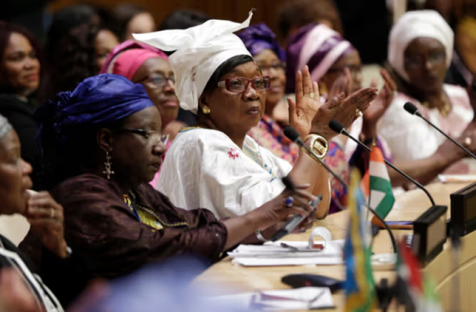
Nigeria’s Minister of Women Affairs, Uju Kennedy Ohanenye, has emphasised the need for greater inclusion of women in politics and governance, acknowledging their crucial role
“Gender equality is more than a goal in itself.
Women and girls around the world are facing significant threats, from wars and conflicts to devastating climate change, widening inequalities, and pushback on their human rights and freedoms.
2nd Global Progress Report on SDG 16 Indicators
The National Council for Women Societies (NCWS) has commended the House of Representatives for passing for second reading, a bill seeking to amend the Constitution to create extra legislative seats for women in the National and State Assemblies.
Pagination
- Previous page
- Page 26
- Next page