Peru presidential candidates square off in debate
Candidates in Peru's polarised presidential race have squared off in a televised debate - a week ahead of the runoff vote.
An effective political campaign is a connected series of operations designed to persuade constituents to vote for you, your candidate, a party or an issue. Campaigns require methodical planning, organization and implementation.
Women face a number of obstacles implementing effective, winning campaigns. Women generally have more difficulty than men do in raising sufficient funds to win a campaign, in large part because they are traditionally not the primary breadwinners. Similarly, women may not have equal access to decision-making regarding the distribution of funds. Traditionally, women must earn the internal support of their party or, alternatively, work even harder to win as independent candidates. Rather than focusing on the substance of a campaign and its message, the media and the public may focus instead on the appearance of a woman candidate or her role in the home. To earn the support of their own party and constituents, women must work harder than men do to create clean, targeted and compelling messages.
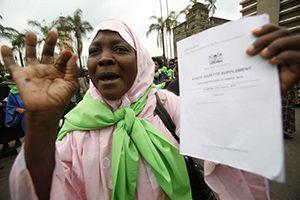
Candidates in Peru's polarised presidential race have squared off in a televised debate - a week ahead of the runoff vote.


Systemic and legal barriers to equal political participation persist at all levels and take different forms, including unfavourable electoral systems, lack of support from political parties, socio-economic, and cultural.


Within the next two years, 38 states will hold gubernatorial elections, including two states - Virginia and New Jersey – who will hold gubernatorial elections in November 2021. These elections provide multiple opportunities for women.

CIWiL will be hosting an event entitled “Women in Politics: An information and training workshop for female candidates in the Tobago House o


