Online Introduction Course on Campaign Finance

An effective political campaign is a connected series of operations designed to persuade constituents to vote for you, your candidate, a party or an issue. Campaigns require methodical planning, organization and implementation.
Women face a number of obstacles implementing effective, winning campaigns. Women generally have more difficulty than men do in raising sufficient funds to win a campaign, in large part because they are traditionally not the primary breadwinners. Similarly, women may not have equal access to decision-making regarding the distribution of funds. Traditionally, women must earn the internal support of their party or, alternatively, work even harder to win as independent candidates. Rather than focusing on the substance of a campaign and its message, the media and the public may focus instead on the appearance of a woman candidate or her role in the home. To earn the support of their own party and constituents, women must work harder than men do to create clean, targeted and compelling messages.
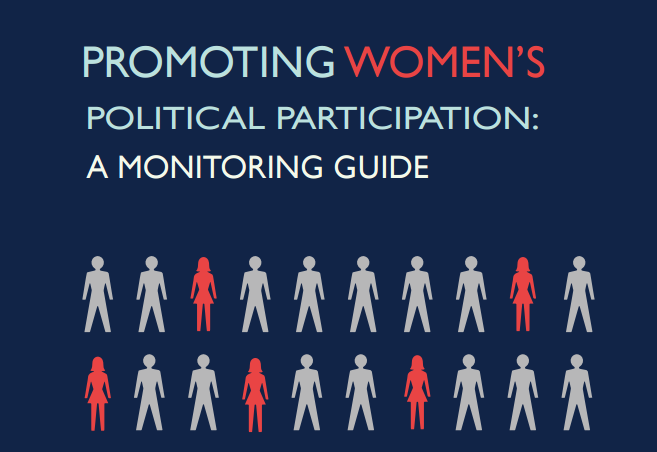
The program “Enhancing Women’s Political Participation in China,” implemented between 2011 and 2015 by the All-China Women’s Federation (ACWF) with the support of the UN Women’s Fund for Gender Equality, has
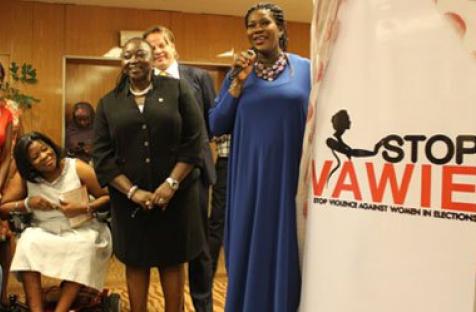
Violence against women takes many forms and it is a global phenomenon.
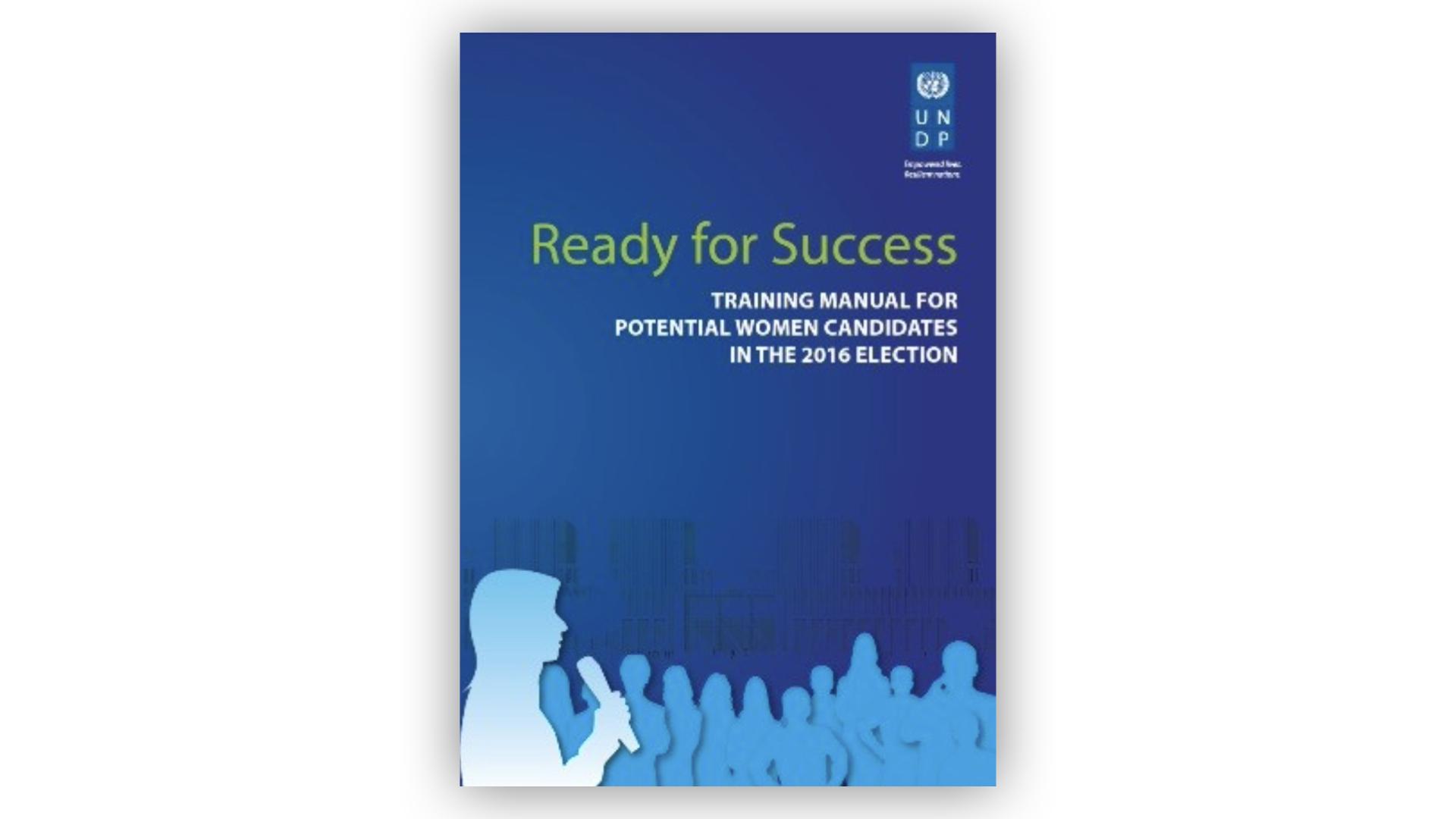
Besides equipping the readers with the most useful knowledge about Viet Nam’s political system and election process, the intention of this manual is to ensure that potential woman candidates understand they have the equal right to stand up, represent and raise their v
iKNOW Politics has compiled video testimonies from women parliamentarians from all over the globe to create this video on identifying and overcoming obstacles that women women face when seeking ele
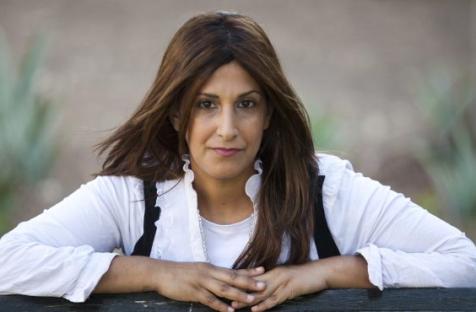
The first-ever Israeli political party dedicated to ultra-Orthodox women, was unveiled Monday.

A new day for women dawned in Taiwan Thursday, with females winning seven of the 22 city and county council speaker positions throughout the country.
by Lucile Huguet Scotland didn’t get enough Yes to become independent from England. However, the country is at a real turning point of its history. Scotland got its first female politician elected as head of the country. As we know, the No vote was predominant at the last referendum where people were asked if they wanted Scotland to remain part of the UK or not.

