Campaigns

An effective political campaign is a connected series of operations designed to persuade constituents to vote for you, your candidate, a party or an issue. Campaigns require methodical planning, organization and implementation.

Women face a number of obstacles implementing effective, winning campaigns. Women generally have more difficulty than men do in raising sufficient funds to win a campaign, in large part because they are traditionally not the primary breadwinners. Similarly, women may not have equal access to decision-making regarding the distribution of funds. Traditionally, women must earn the internal support of their party or, alternatively, work even harder to win as independent candidates. Rather than focusing on the substance of a campaign and its message, the media and the public may focus instead on the appearance of a woman candidate or her role in the home. To earn the support of their own party and constituents, women must work harder than men do to create clean, targeted and compelling messages.

Empowering women’s political participation in Tanzania

Back
April 2, 2024

Empowering women’s political participation in Tanzania

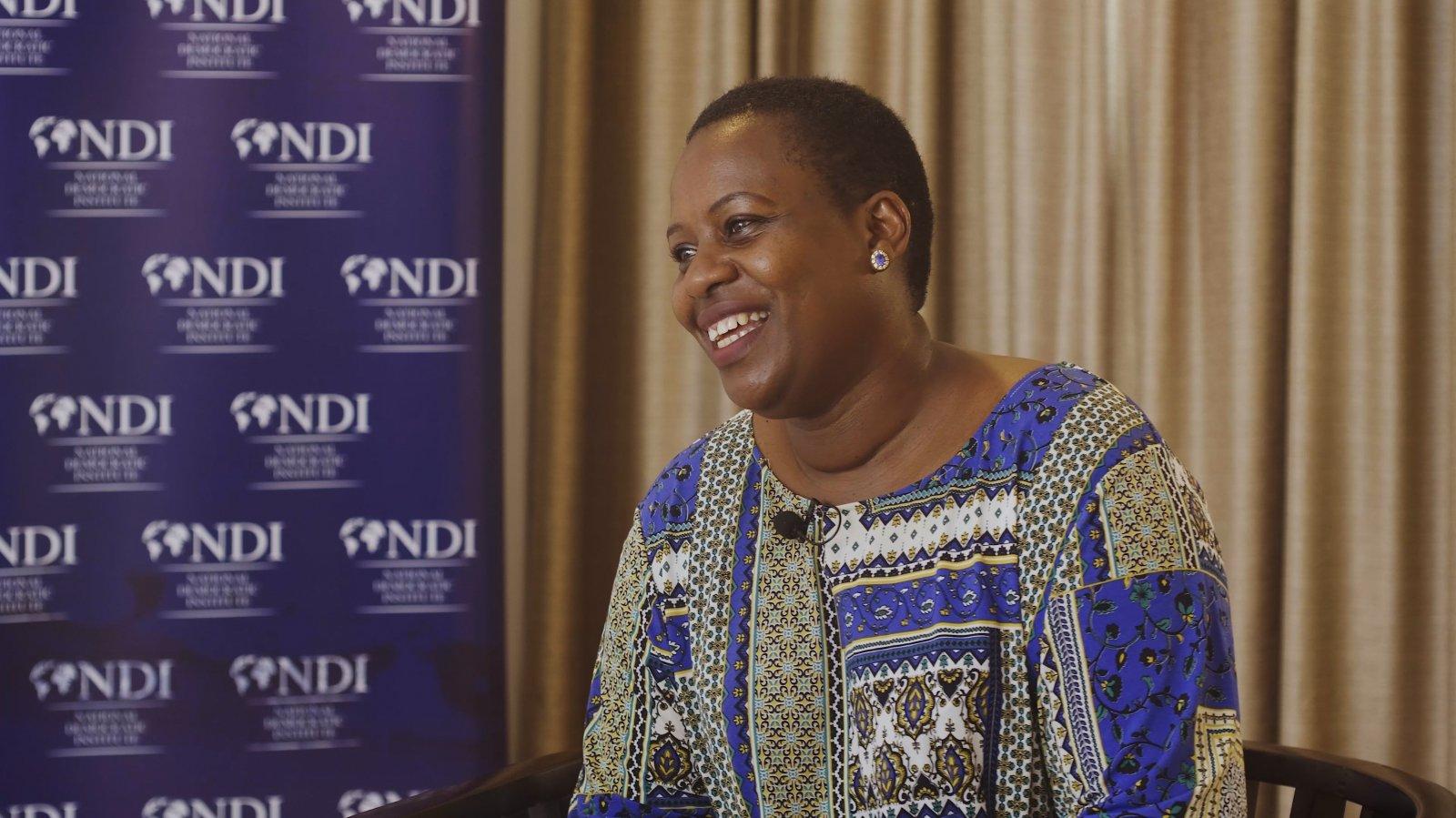
Earlier this month, in celebration of International Women’s Day, the National Democratic Institute premiered an interview we conducted with one of our partners, Honorable Neema Lugangira, a champion of legal reform and women’s empowerment in Tanzania. Hon.

Earlier this month, in celebration of International Women’s Day, the National Democratic Institute premiered an interview we conducted with one of our partners, Honorable Neema Lugangira, a champion of legal reform and women’s empowerment in Tanzania. Hon.

The Christian Science Monitor
March 22, 2024
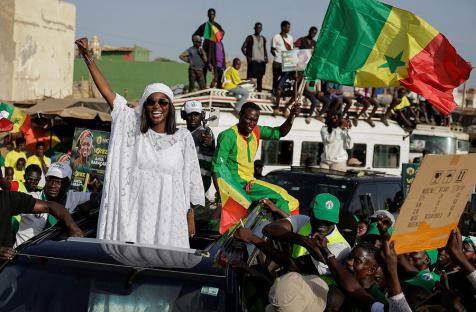
Women are fighting for more than political power in Senegal’s presidential election

It’s presidential campaign season in Senegal’s capital city and all over town the candidates’ faces beam down at voters from posters tacked to light poles and plastered on billboards.

International IDEA
March 19, 2024
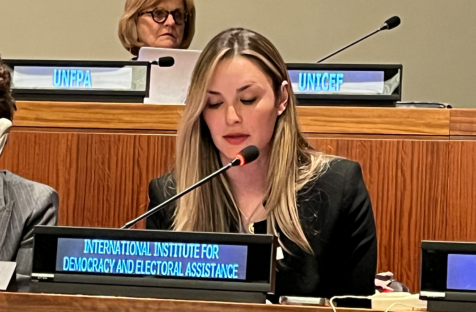
Statement at the 68th Commission on the Status of Women

Excellencies,

Source: The Times of India
March 18, 2024
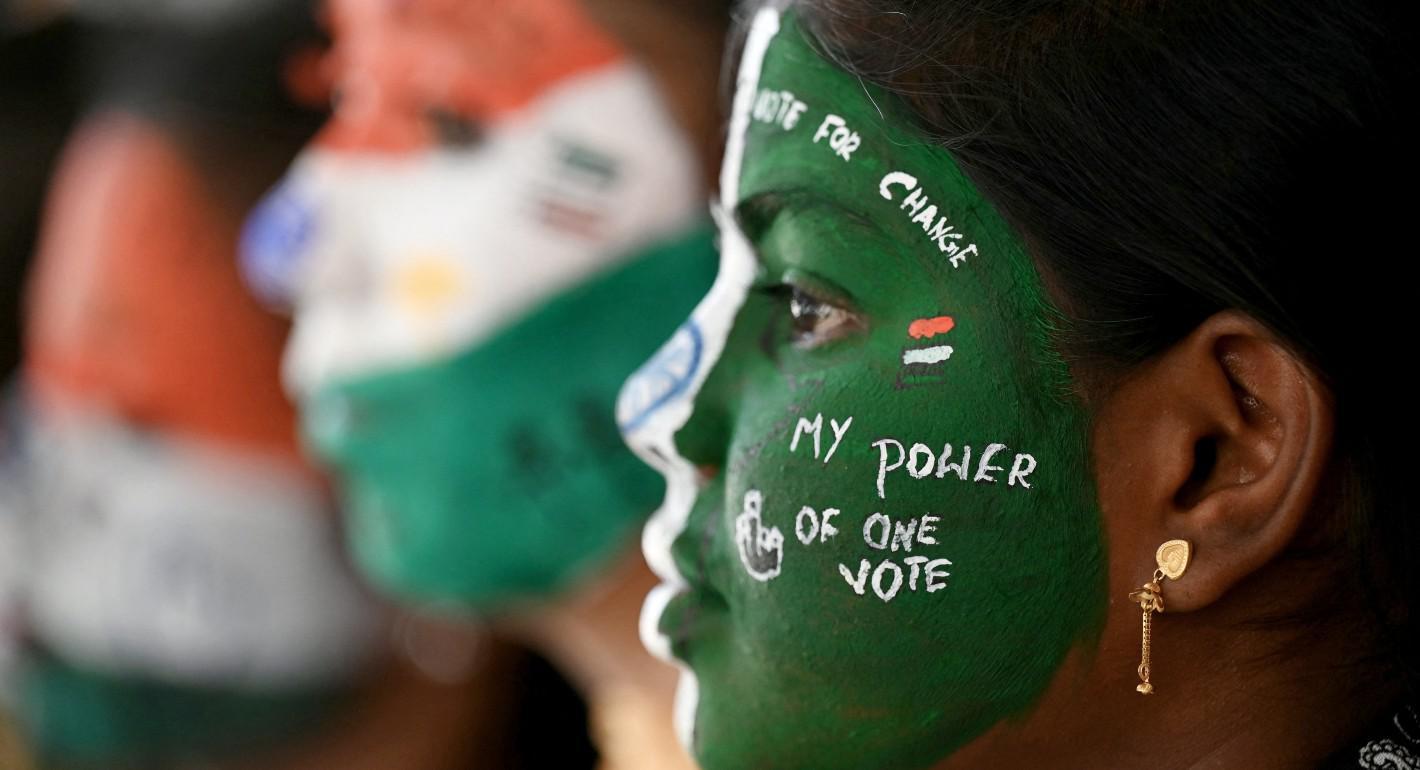
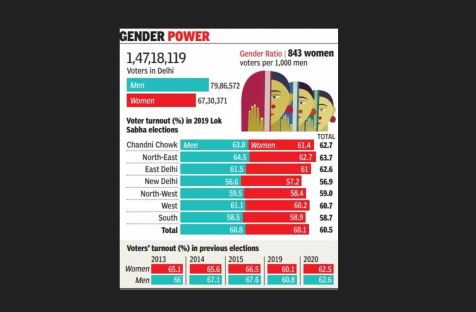
Every vote counts: How women are gaining bargaining power in politics

NEW DELHI: With more women participating in voting than ever before and even dominating political discourse within their households, they now find themselves at the forefront of various schemes and policies announced by political parties ahead of elections.

Source: Nigerian Tribune
March 11, 2024
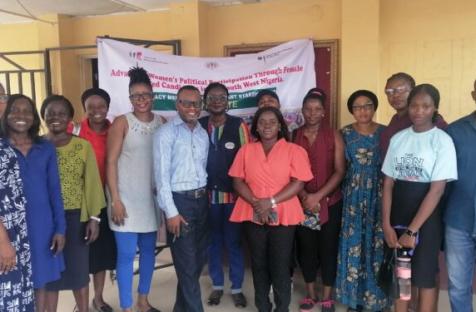
German govt, NGO to train Southwest women in political engagement

The German government in collaboration with a non-governmental organisation, Hope for Family Development Initiative (HFDI) is set to train 300 women in three Southwest states on campaign strategies, leadership skills, and political engagement.

2024, a European political year - through the eyes of women

Back
March 5, 2024

2024, a European political year - through the eyes of women

In 1906, Finland became the first country in Europe to grant women the right to vote, with the adoption of universal suffrage, at the same time as it won its autonomy from the Russian Empire.

In 1906, Finland became the first country in Europe to grant women the right to vote, with the adoption of universal suffrage, at the same time as it won its autonomy from the Russian Empire.

Female leaders rise, challenge male-dominated politics globally

Back
February 29, 2024

Female leaders rise, challenge male-dominated politics globally

It's often said that adversity doesn't build character, it reveals it. Borrowing from Eleanor Roosevelt's iconic comparison, women, like tea bags, only show their strength when in hot water.

It's often said that adversity doesn't build character, it reveals it. Borrowing from Eleanor Roosevelt's iconic comparison, women, like tea bags, only show their strength when in hot water.

University of Melbourne
January 18, 2024
Campaign costs impeding women’s political representation in Indonesia

In the 2019 general elections, Indonesian voters elected 118 women to the Indonesian House of Representatives (DPR). Although an increase from 2014, when just 97 women were elected, women still only account for 21 per cent of the 575-member parliament.