Elections
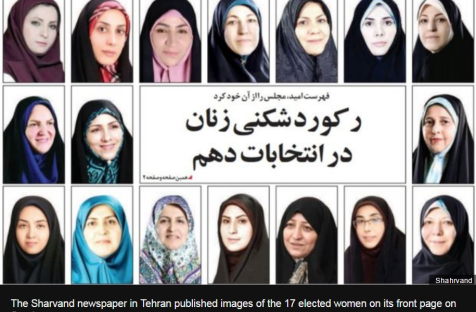
The right to vote and the right to stand for election are two fundamental elements of democracy. Notably, many countries did not afford women the right to vote until the 20th Century. Even today, universal suffrage is not a given right in all countries, and women often face obstacles that undermine their participation in political and electoral processes. There are various ways to support women in overcoming these obstacles. Such methods include revising the electoral system used, applying affirmative action mechanisms such as quotas, improving voter education for women and training political candidates. These are a few of the modes available to strengthen women’s political participation .Photo©Jens Franssen


Barriers women face in Tunisian politics
Back
May 3, 2016
Barriers women face in Tunisian politics
This article was originally pub
Print article

This article was originally pub
Interviews
Torild Skard
Back
April 29, 2016
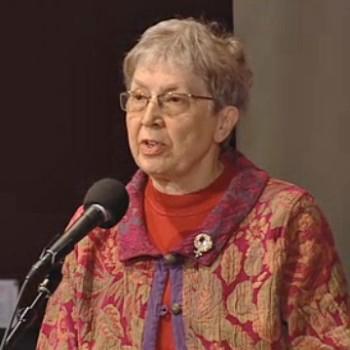
Torild Skard
Norwegian politician and researcher
Norwegian politician and researcher
Print article
Norwegian politician and researcher
April 26, 2016
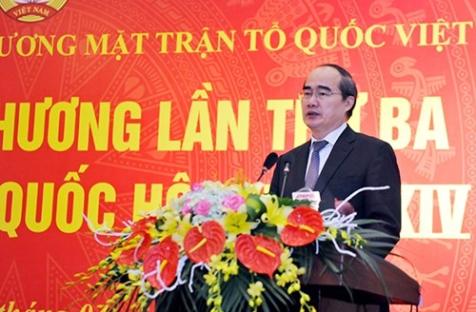
Candidates of the 14th National Assembly of Viet Nam
The election of deputies to the 14
Compendium of Good Practices for Advancing Women’s Political Participation in the OSCE Region
Back
April 18, 2016
Compendium of Good Practices for Advancing Women’s Political Participation in the OSCE Region
The objective of this publication i
Print article
The objective of this publication i
Interactive map of women in American State Legislatures for 2016
Back
April 18, 2016
Interactive map of women in American State Legislatures for 2016
Approximately 1,809 women serve in
Print article
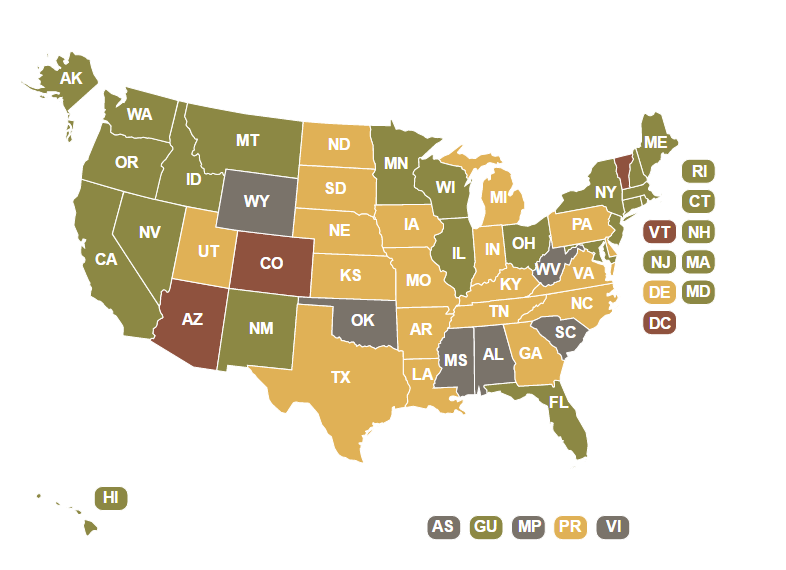
Approximately 1,809 women serve in
Women in Parliament: 20 years in review
Back
April 18, 2016
Women in Parliament: 20 years in review
The Inter-parliamentary Union has r
Print article

The Inter-parliamentary Union has r