September 2, 2026
Online violence against women in politics: what shapes political party responses to technology-facilitated gender-based violence?
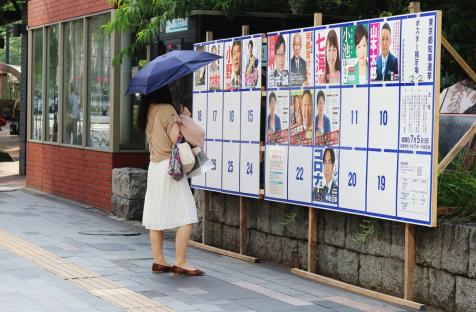
The right to vote and the right to stand for election are two fundamental elements of democracy. Notably, many countries did not afford women the right to vote until the 20th Century. Even today, universal suffrage is not a given right in all countries, and women often face obstacles that undermine their participation in political and electoral processes. There are various ways to support women in overcoming these obstacles. Such methods include revising the electoral system used, applying affirmative action mechanisms such as quotas, improving voter education for women and training political candidates. These are a few of the modes available to strengthen women’s political participation .Photo©Jens Franssen


The Report on Women's Political Participation in Panama's 2024 Elections, prepared by researchers Tamara Martínez Paredes and Ramón Benjamín Miranda from the Institute for Democratic St
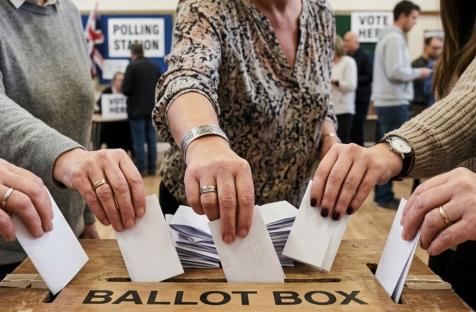
Women voters could hold a crucial key to South Africa’s political future as parties prepare for the 4 November 2026 Local Government Elections.
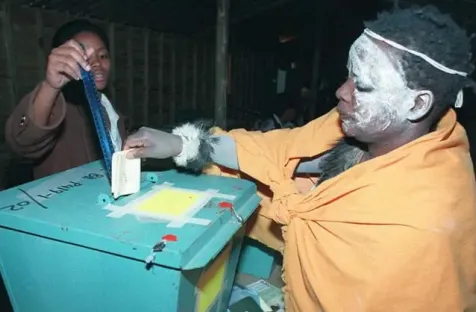
With South Africa’s 2026 Local Government Elections approaching, all talk seems to be of the growing prevalence of coalitions in the country.
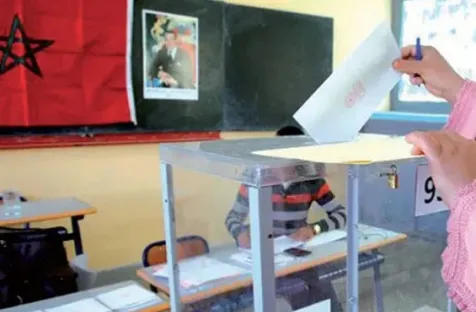
As tensions mount within the Socialist Union of Popular Forces (USFP) over allegations that women's nominations are being monetized, the selection process for regional candidates in the upcoming September 2026 elections reveals a broader issue of systemic political violence, transcending any sing
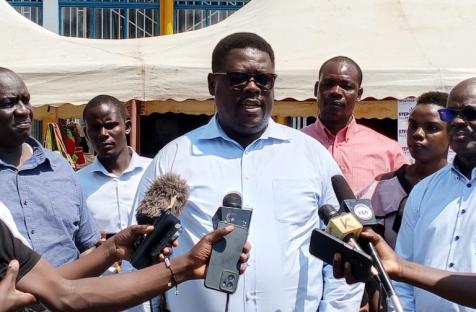
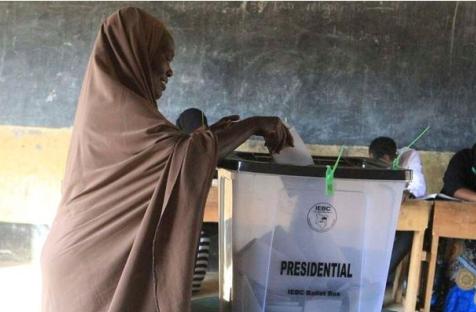
I have lost count of the number of women I have met, telling me they wanted to run for political office. Good women, with real ideas about the leadership their counties or wards were missing. Each of them spoke of her plans with real conviction.
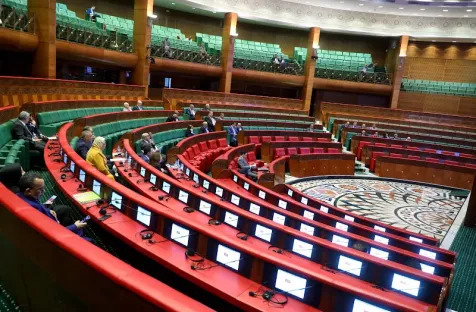
Moroccan women’s rights organizations have criticized political parties over the limited number of women selected to head electoral lists for the September 2026 parliamentary elections, arguing that the nominations fall short of the country’s constitutional commitm
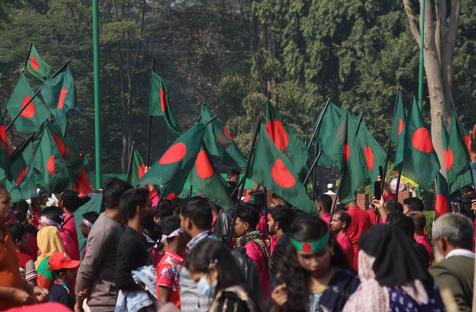
Bangladesh’s democratic trajectory reveals a persistent paradox.