Elections
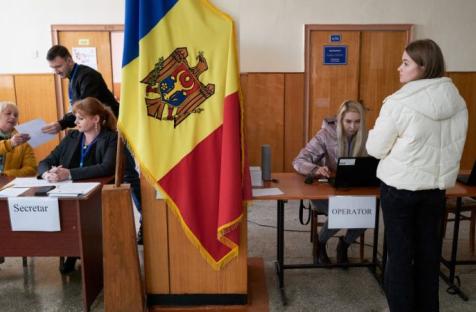
The right to vote and the right to stand for election are two fundamental elements of democracy. Notably, many countries did not afford women the right to vote until the 20th Century. Even today, universal suffrage is not a given right in all countries, and women often face obstacles that undermine their participation in political and electoral processes. There are various ways to support women in overcoming these obstacles. Such methods include revising the electoral system used, applying affirmative action mechanisms such as quotas, improving voter education for women and training political candidates. These are a few of the modes available to strengthen women’s political participation .Photo©Jens Franssen
Opinion: Why gender matters in politics, and what has to change
Gender shouldn't matter when choosing a president — but after nearly 250 years of American democracy and zero women presidents, it clearly has.
While the number of women running for federal office has waned nationally, New Jersey is seeing more women run this election cycle, including a Latina who was one of just four in the country to launch a campaign for Senate, according to a
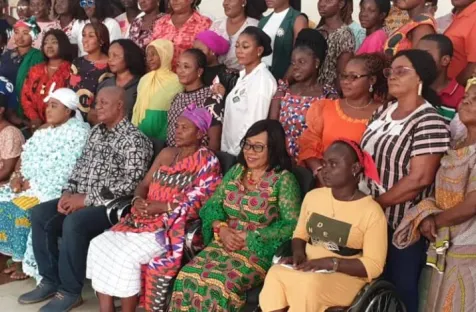
Up to 63.8 percent of the 80 members of the newly elected Rwandan Chamber of Deputies, the lower house, are women, a list from the National Electoral Commission (NEC) has shown.
After the double blocking of the unitary candidates in March—first of María Corina Machado and then professor Corina Yoris—the initially provisional candidacy of Edmundo González, who is currently leading the polls, was accepted by the National Electoral Council.
Powerful women tend to be called by their first name. It's not an accident
NPR's Ari Shapiro talks to University of Houston's Mirya Holman about why women in political leadership tend to be referred to by their first names more often than their male counterparts.
Race, gender and politics: Is the United States ready for a Black woman president?
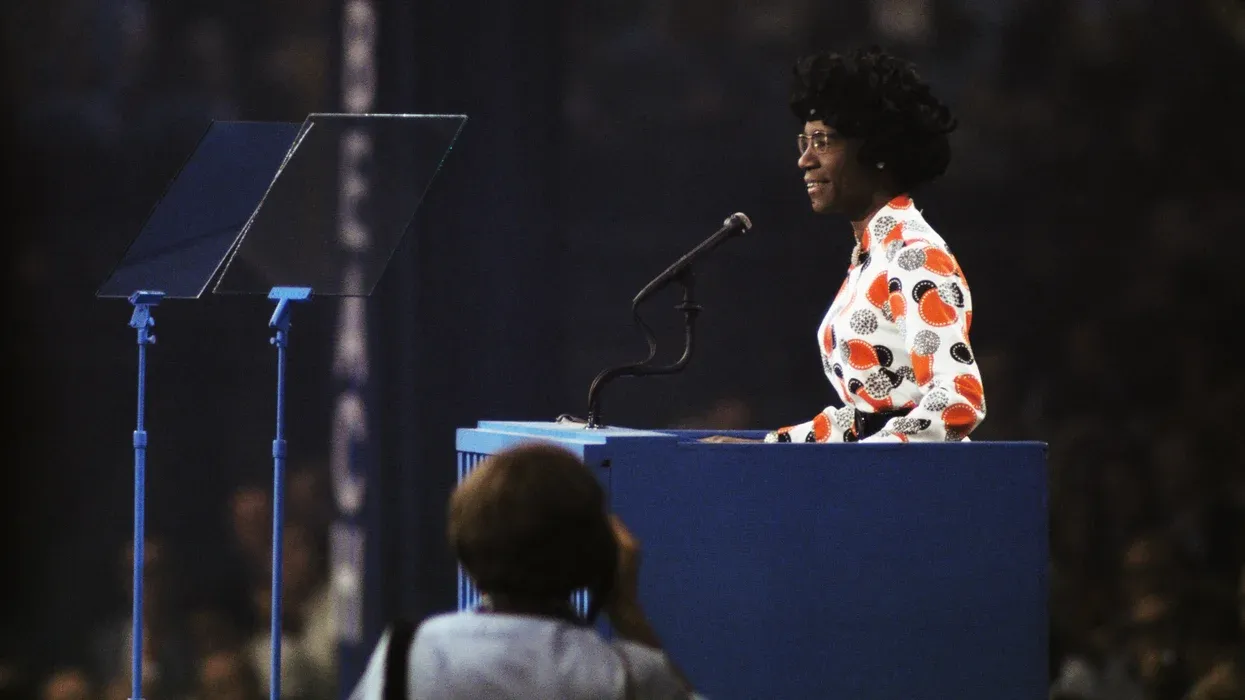
Shirley Chisholm, a Democratic congresswoman, was the first African American woman to run for president of the United States.
A Kamala Harris candidacy will unleash unprecedented levels of misogyny — the collective response could be decisive for the future of democratic politics
Preside
Pagination
- Previous page
- Page 18
- Next page